

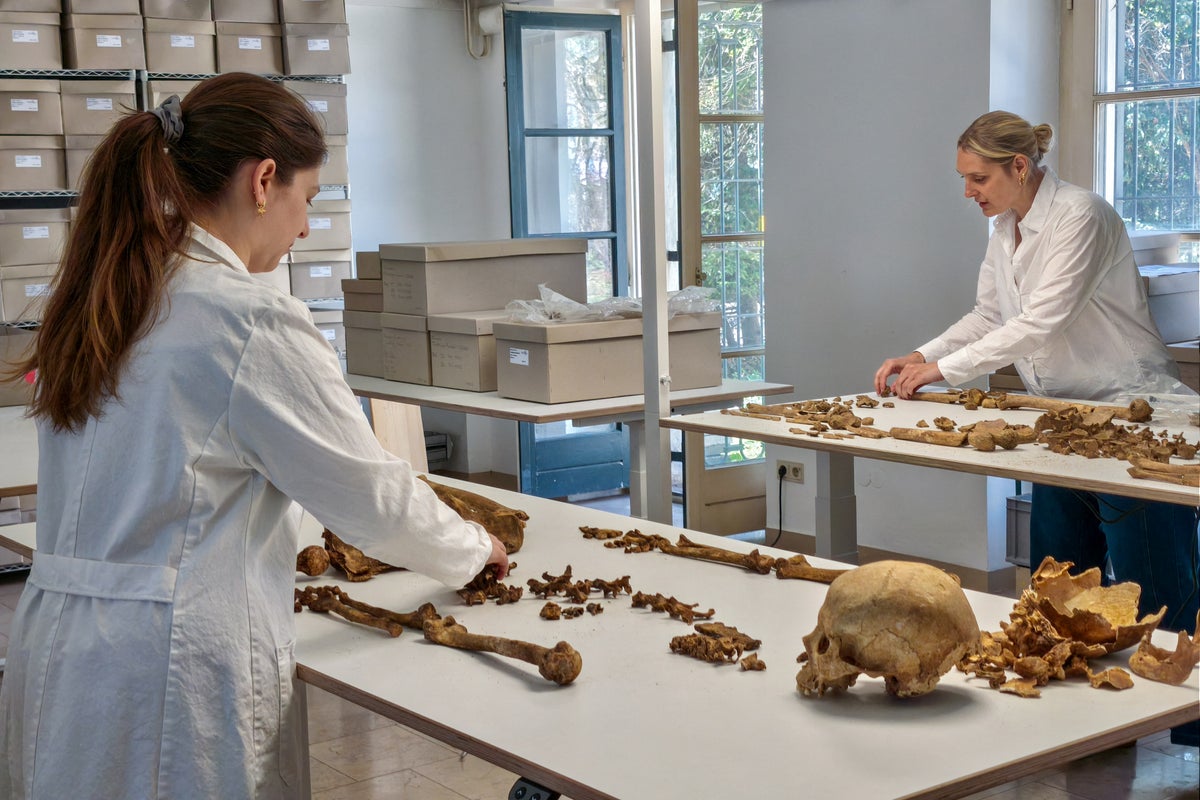
The fall of the Western Roman Empire in 476 AD was a pivotal moment in human history, when Germanic chieftain Odoacer deposed teenage emperor Romulus Augustulus in Italy and set in motion the collapse of centralized authority in much of Europe.
New research based on genome data from inhabitants of the fortified Roman frontier in what is now southern Germany documents how these dramatic political changes affected ordinary people, while contradicting the popular notion of a violent "barbarian invasion" sweeping through the defunct empire's former domain.
For instance, the researchers found that the abandonment of imperial-era marriage restrictions led to swift intermingling between the garrison and urban population of Romans and low-status locals including some of Northern European descent.
"Row grave cemeteries were a newly emerging early-medieval burial practice where individuals were buried in rows, often containing grave goods like clothing, jewelry and weapons. These cemeteries stretched across the former Roman frontier from the Netherlands to Hungary," Johannes Gutenberg University Mainz population geneticist and study lead author Jens Blöcher said.
Roman authorities had established military outposts to guard against invasions and unrest on the German frontier, some evolving into sizable settlements and eventually cities. These included Mainz, Regensburg, Trier and Cologne in the vicinity of the burial sites involved in the research.
The genome data revealed a major demographic shift coinciding with the late-fifth-century disintegration of Roman state structures. It showed that people from Northern Europe already had been moving south into this region in small groups during the long twilight of the imperial period and living separately from the broader Roman population, many perhaps as agricultural laborers. At the time, outsiders could be granted land under conditions such as marriage restrictions with Romans.
"They have lived there for generations, marrying almost exclusively within their own group - preserving their northern genetic heritage," Burger said.
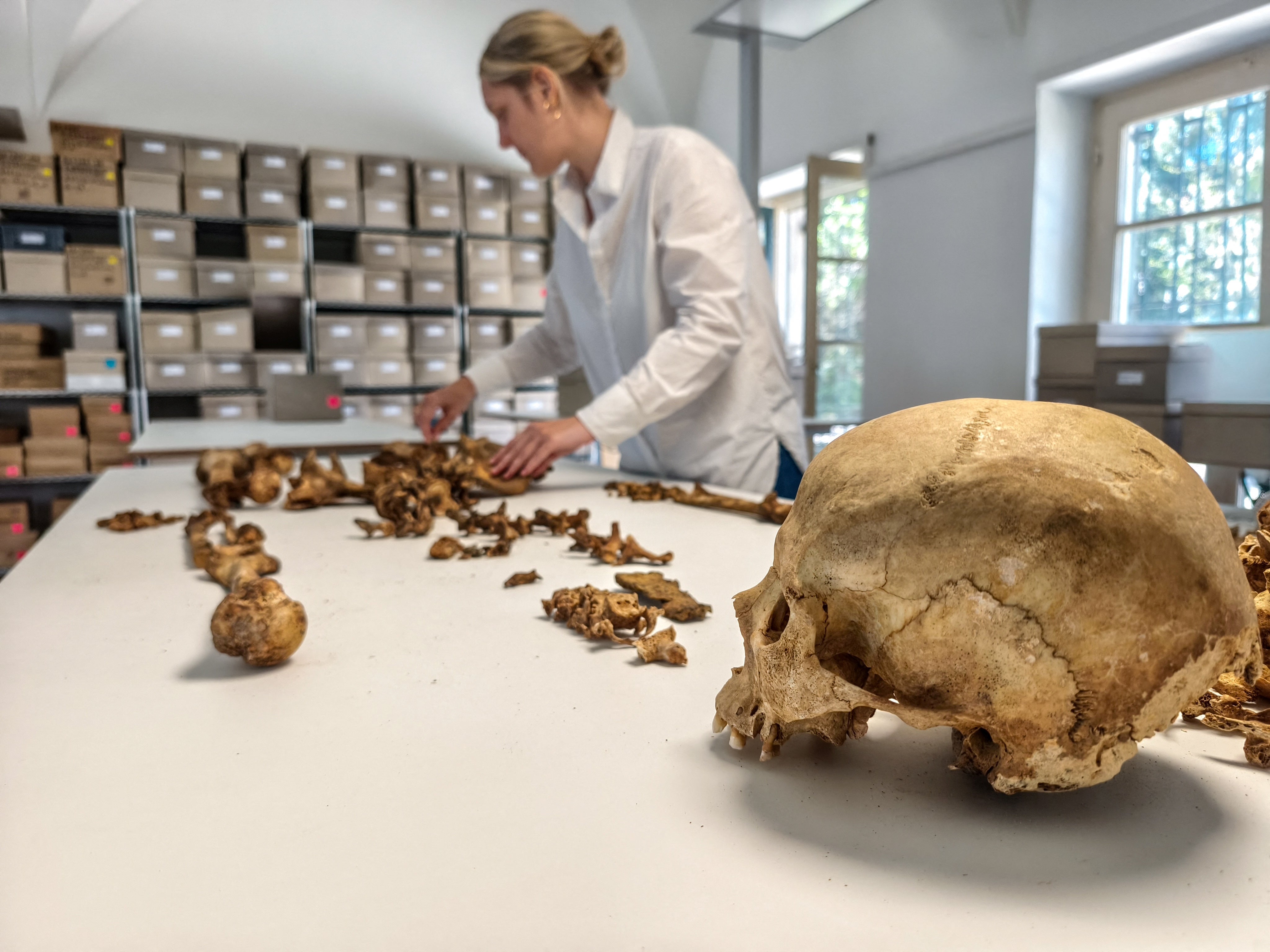
The Roman military and civilian population was found to be genetically diverse, composed of people with ancestry from various parts of the empire. They were genetically distinct from the outsiders who were trickling into the area from Northern Europe including locales as distant as Britain, as well as from the Balkans and even Asia.
"All these traits reflect Christian norms from Late Antiquity," Burger said.
The data suggests additional people from the north arrived in the region in the centuries after the empire fell, with a new genetic profile emerging by about the seventh century - "one that closely resembles the genetic profile we observe today in central Europe," Burger said.