

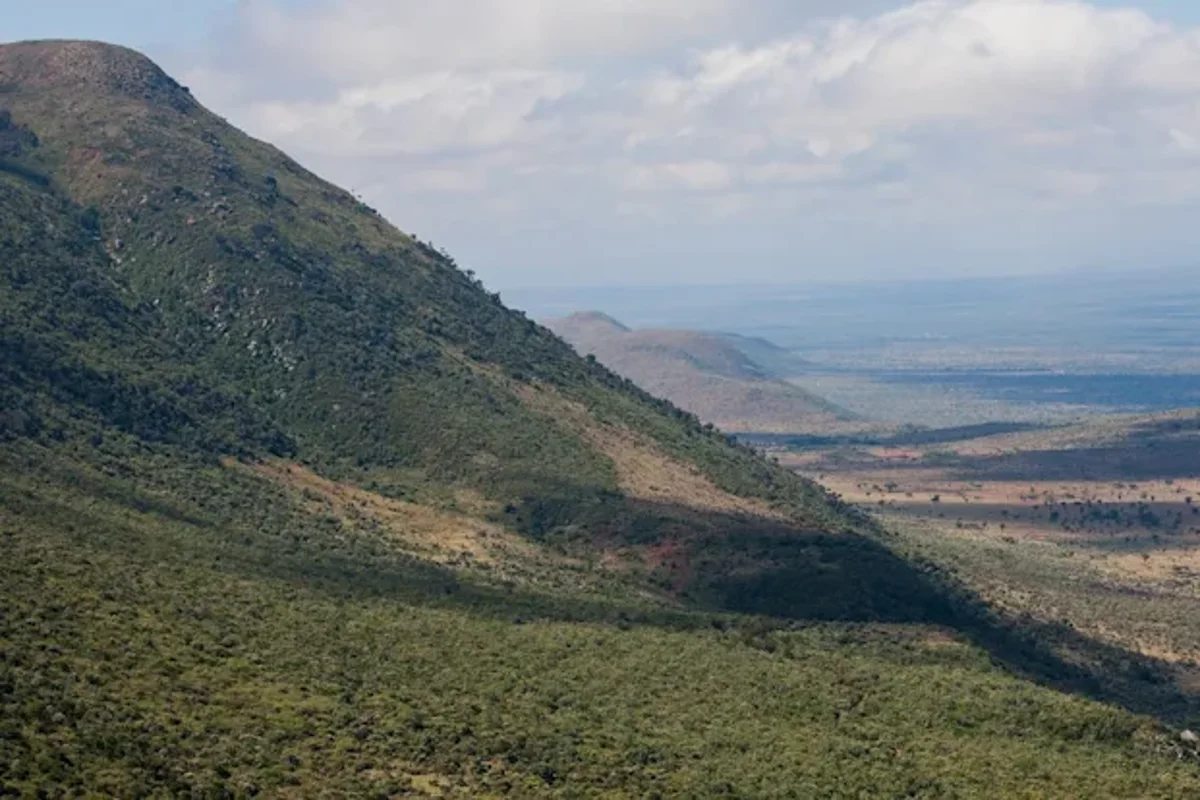
A new rift forming beneath Zambia could eventually split the African continent apart, a new analysis of geothermal springs indicates.
The Kafue Rift is part of a 2,500km-long zone running from Tanzania in the east to Namibia in the west and likely as far as the mid-Atlantic ridge.
This rift could become a new tectonic plate boundary and lead to the break-up of sub-Saharan Africa, researchers from Oxford University say.
Researchers first suspected this was happening when they found high levels of geothermal anomalies, including the formation of hot springs, around the rift zone.
“A rift is a large break in the Earth’s crust that creates subsidence and associated elastic uplift,” Dr Daly explained. “A rift may become a plate boundary but commonly a rift’s activity ceases before the point of plate boundary formation.”
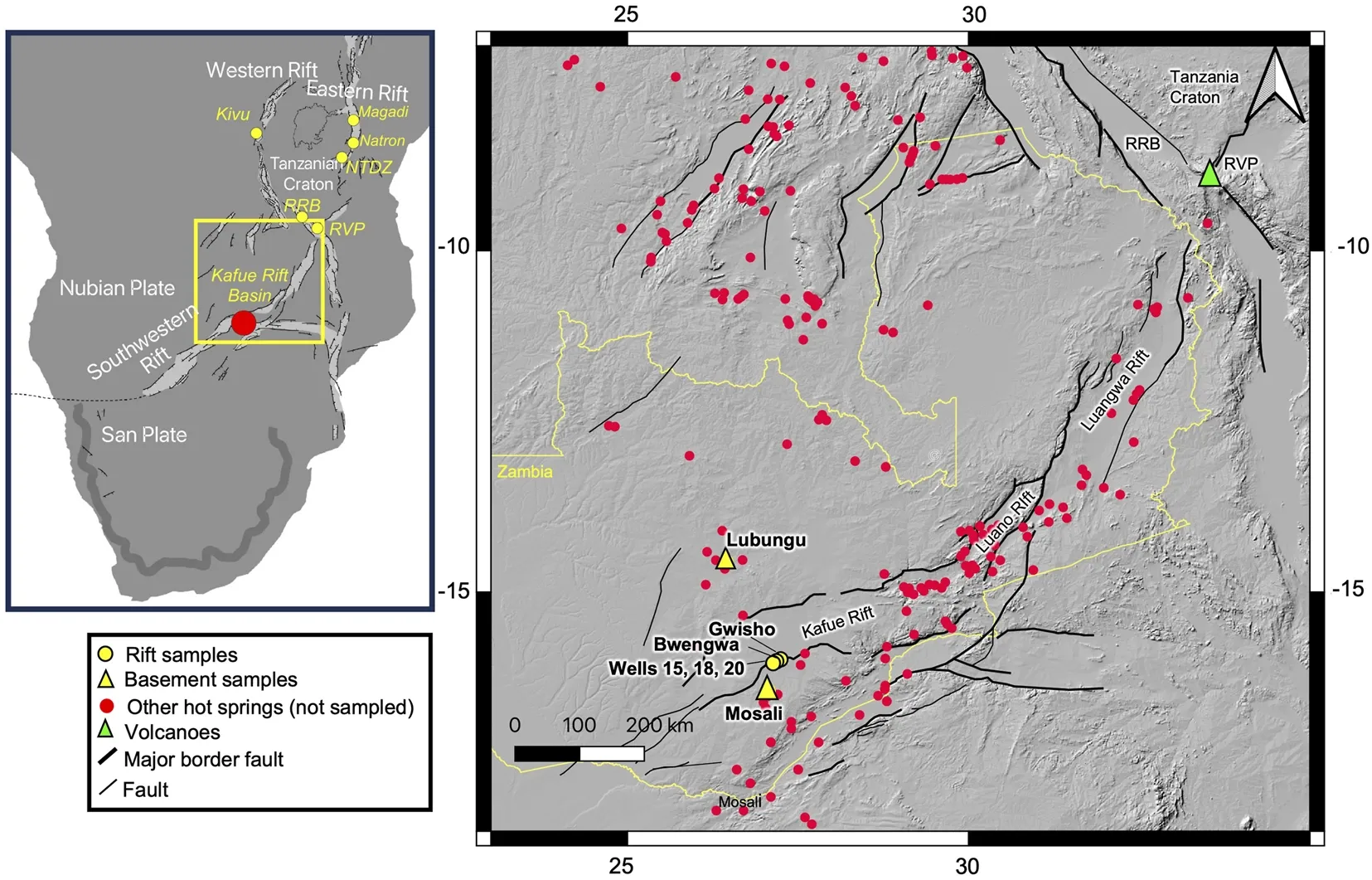
Researchers visited eight geothermal wells and springs in Zambia and took samples of gas from freely bubbling water.
When they tested the chemicals present in the samples, they detected gas derived from mantle fluids at the surface.
They found that gas from the Kafue Rift contained a form of the element helium which could not have come from the atmosphere. The gas samples also contained a proportion of carbon dioxide consistent with the composition of mantle fluids.
The findings could bear important economic implications.
Such rift breaks provide geothermal energy and access to vast helium and hydrogen reserves that could reshape the economic future of Africa.