

Rodent-borne viruses like the hantavirus are likely to spread to more countries that have never faced these diseases due to climate change, putting new communities at risk, scientists warn in a new study.
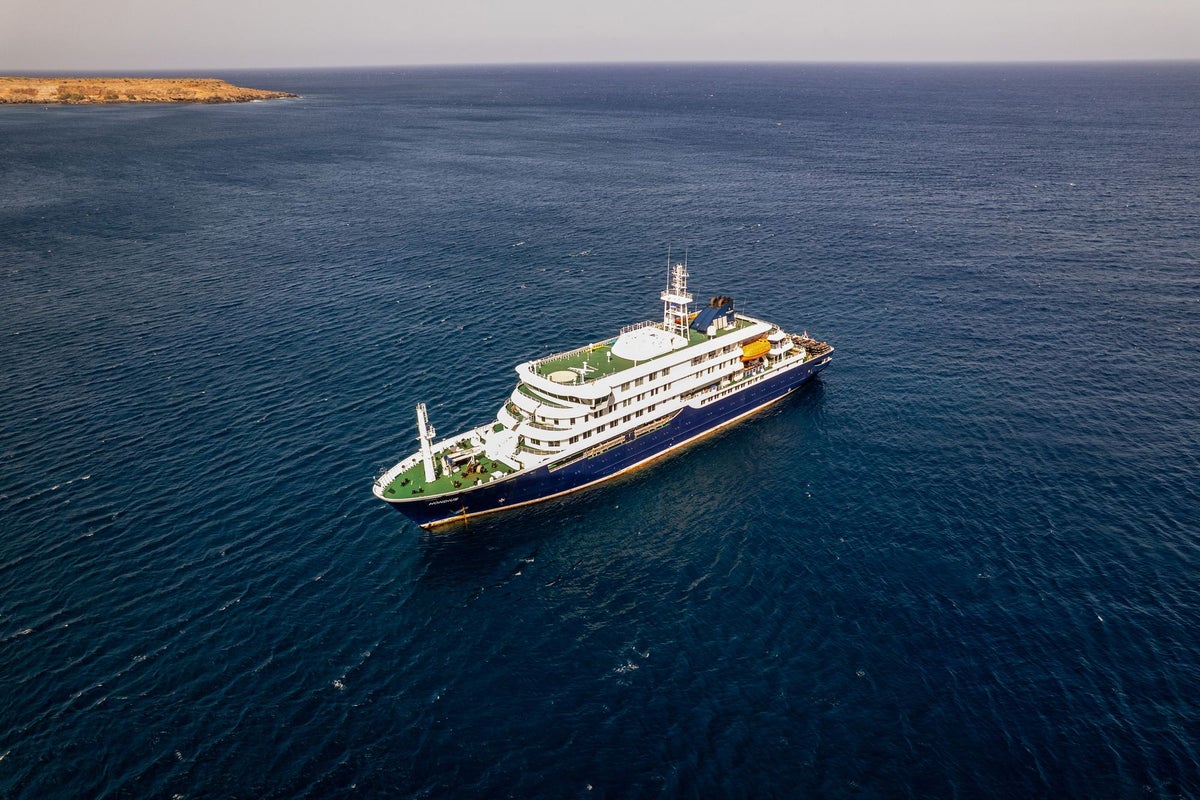
A cruise ship MV Hondius, which set off from Argentina, carrying about 150 people has been the centre of a hantavirus outbreak, which has so far taken the lives of three passengers.
With over 10 hantavirus cases confirmed since the outbreak, officials in several countries, including the UK, are scrambling to contain the spread of the virus, which can silently incubate in patients for between one and eight weeks.
Such viruses can cause severe hemorrhagic fevers with high hospitalisation rates and fatality rates ranging from about 5 to 30 per cent.
The disease is mainly spread by contact with rodents, their urine, saliva or droppings, and particularly when the material is disturbed and becomes airborne.
Although they have been present for centuries, with a documented history of outbreaks across Asia and Europe, hantaviruses rarely pass between humans.
However, the new “Andean strain” is the only one showing evidence of human-to-human transmission.
A couple who went bird-watching in Argentina may have brought the virus onto the ship after being exposed to infected rodents while birdwatching, experts suspect.
In the new study, scientists tracked how climate change is reshaping the risk of arenaviruses jumping from animals to humans.
Scientists hope future studies can inform where we can expect the disease risk to increase.
“Then we can look at why it is happening in more detail, identify ways to reduce the risk, and start planning for the long term and ways to reduce the spread of disease,” Dr Kulkarni said.