

In 1532, in the city of Cajamarca, Peru, Spanish conquistador Francisco Pizarro and a group of Europeans took the Inca ruler Atahualpa hostage, setting the stage for the fall of the Inca Empire.
Before this fateful attack, Pizarro’s brother, Pedro Pizarro, made a curious observation: other than the Inca himself, the Lord of Chincha was the only person at Cajamarca carried on a litter, a carrying platform.
Why did the Lord of Chincha occupy such a high position in Inca society? In our new study published in PLOS One, we find evidence for a surprising potential source of power and influence: bird poo.
A potent and precious resource
Chincha, in southern Peru, is one of several river valleys along the desert coast fed by Andean highland waters, which have long been key to irrigation agriculture. About 25 kilometres out to sea are the Chincha Islands, with the largest guano deposits in the Pacific.
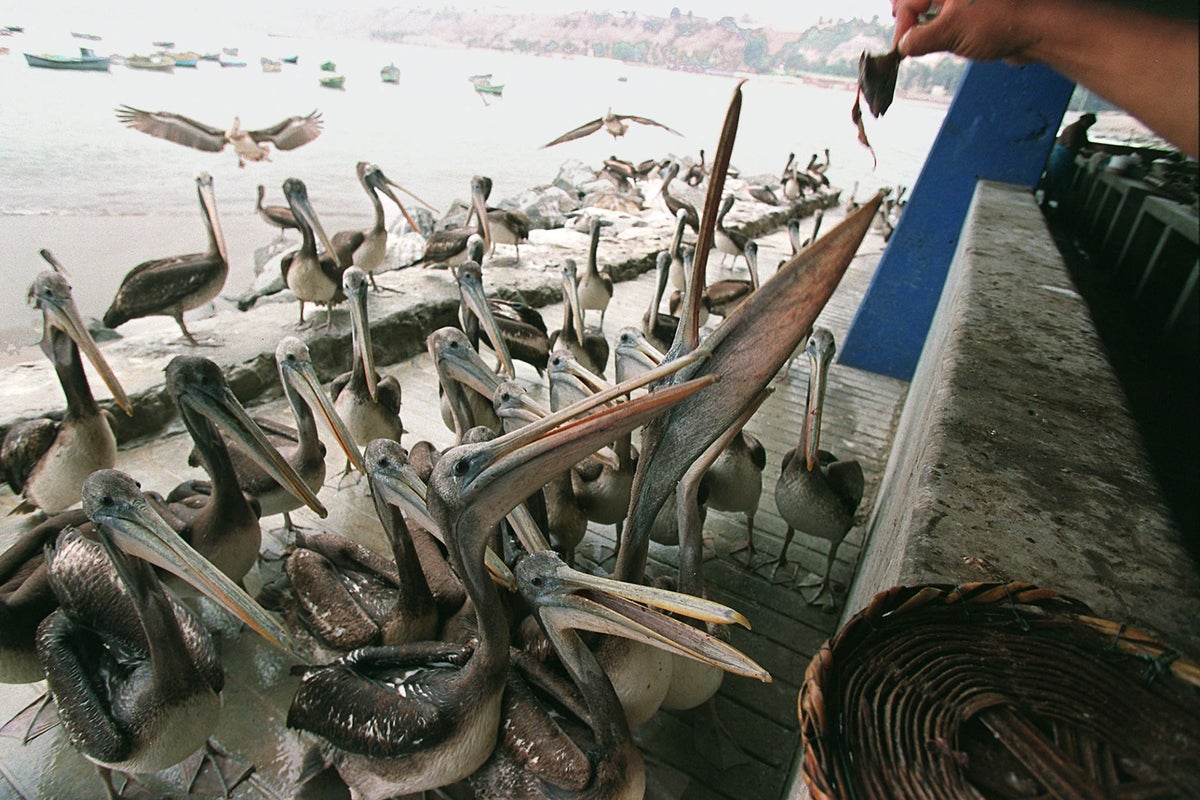
On the Peruvian coast, the Humboldt/Peru ocean current creates rich fisheries. These fisheries support massive seabird colonies that roost on the rocky offshore islands.
Thanks to the dry, nearly rainless climate, the seabird guano doesn’t wash away, but continues to pile up until many meters tall. This unique environmental combination makes Peruvian guano particularly prized.
Our research combines iconography, historic written accounts, and the stable isotope analysis of archaeological maize (Zea mays) to show Indigenous communities in the Chincha Valley used seabird guano at least 800 years ago to fertilise crops and boost agricultural production.
We suggest guano likely shaped the rise of the Chincha Kingdom and its eventual relationship with the Inca Empire.
Lords of the desert coast
The Chincha Kingdom (1000–1400 CE) was a large-scale society comprising an estimated 100,000 people. It was organised into specialist communities such as fisherfolk, farmers and merchants. This society controlled the Chincha Valley until it was brought into the Inca Empire in the 15th century.
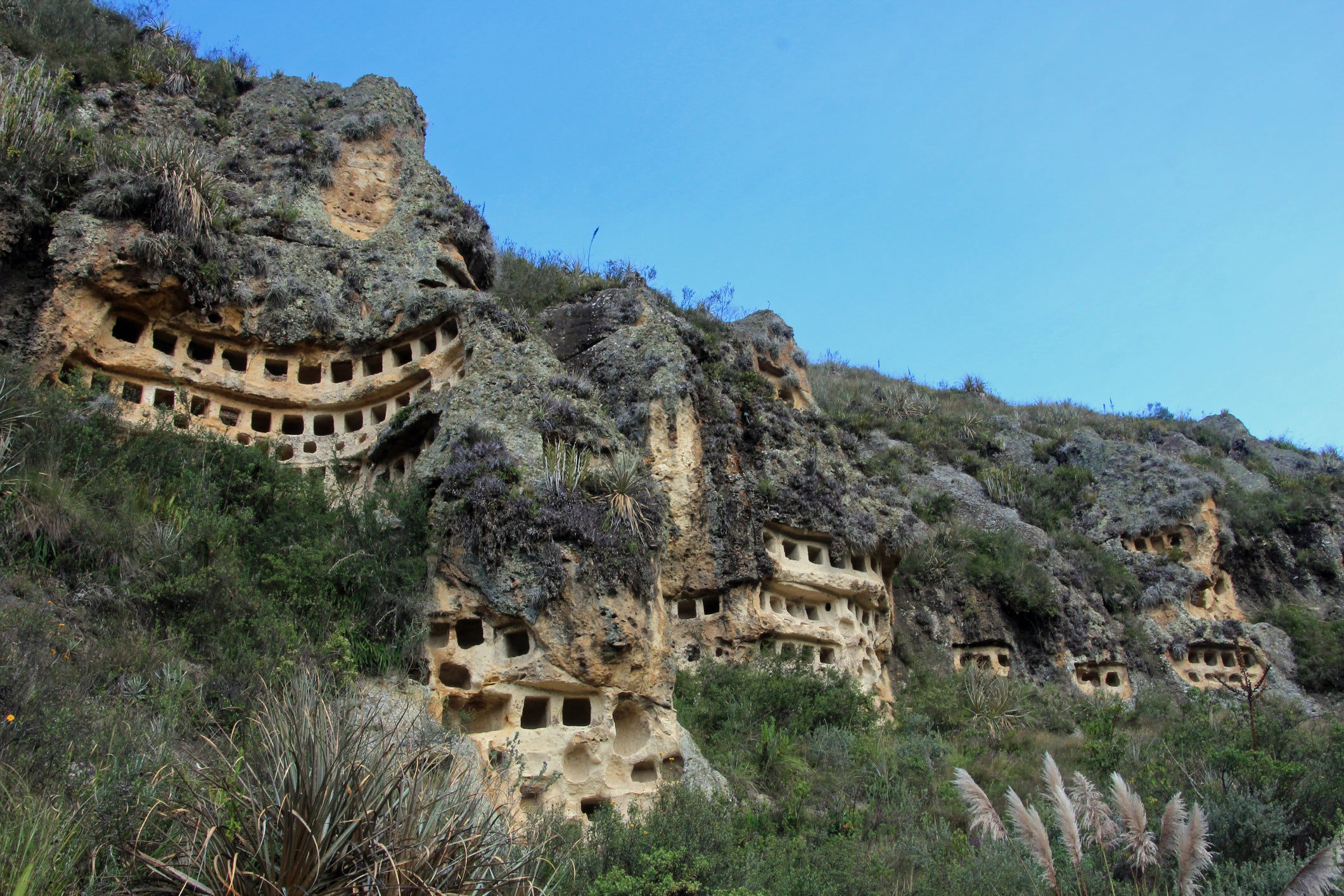
Given the proximity of historically important guano deposits on the Chincha Islands, Peruvian historian Marco Curatola proposed in 1997 that seabird guano was an important source of Chincha’s wealth. We tested this hypothesis and found strong support.
A biochemical test
Biochemical analysis is a reliable way to identify the use of fertilisers in the past. One experimental 2012 study showed plants fertilised with dung from camelids (alpacas and llamas) and seabirds show higher nitrogen isotope values than unfertilised crops.
As an effective and highly valuable fertiliser, guano also enabled Chincha communities to increase crop yields and expand trade networks, contributing to the economic expansion of the Chincha Kingdom.
We suggest fisherfolk sailed to the Chincha Islands to acquire guano and then provided it to farmers, as well as to seafaring merchants to trade along the coast and into the highlands.
Chincha’s agricultural productivity and growing mercantile influence would have enhanced its strategic importance for the Inca Empire. Around 1400 CE, the Inca incorporated the Chincha after a “peaceful” capitulation, creating one of the few calculated alliances of its kind.
Although the “deal” made between Chincha and Inca remains debated, we suggest seabird guano played a role in these negotiations, as the Inca state was interested in maize but lacked access to marine fertilisers. This may be why the Lord of Chincha was held in such high esteem that he was carried aloft on a litter, as Pedro Pizarro noted.
The Inca came to value this fertiliser so much they imposed access restrictions on the guano islands during the breeding season and forbade the killing of guano birds, on or off the islands, under penalty of death.
Our study expands the known geographic extent of guano fertilisation in the pre-Inca world and strongly supports scholarship that predicted its role in the rise of the Chincha Kingdom. However, there is still much to learn about how widespread it was, and when this practice began.