

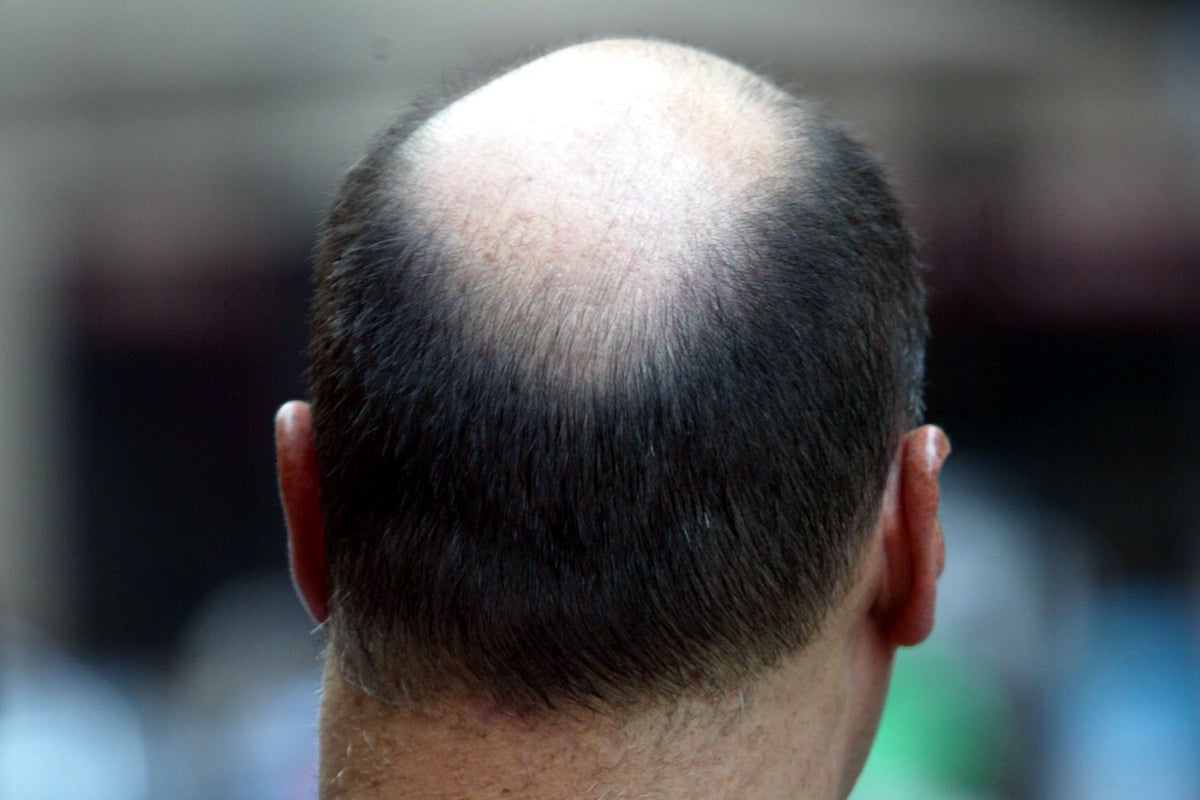
A plant root commonly used in Chinese traditional medicine could be an effective treatment option for male pattern baldness, a new study reveals.
Androgenetic alopecia, or male pattern baldness, is the most common type of hair loss, affecting millions of men around the world.
The condition develops gradually as hair follicles shrink over time, producing thinner, shorter hairs, after which growth may slow dramatically or completely stop.
"Our analysis bridges ancient wisdom and modern science," said Han Bixian, an author of the new study published in the Journal of Holistic Integrative Pharmacy.
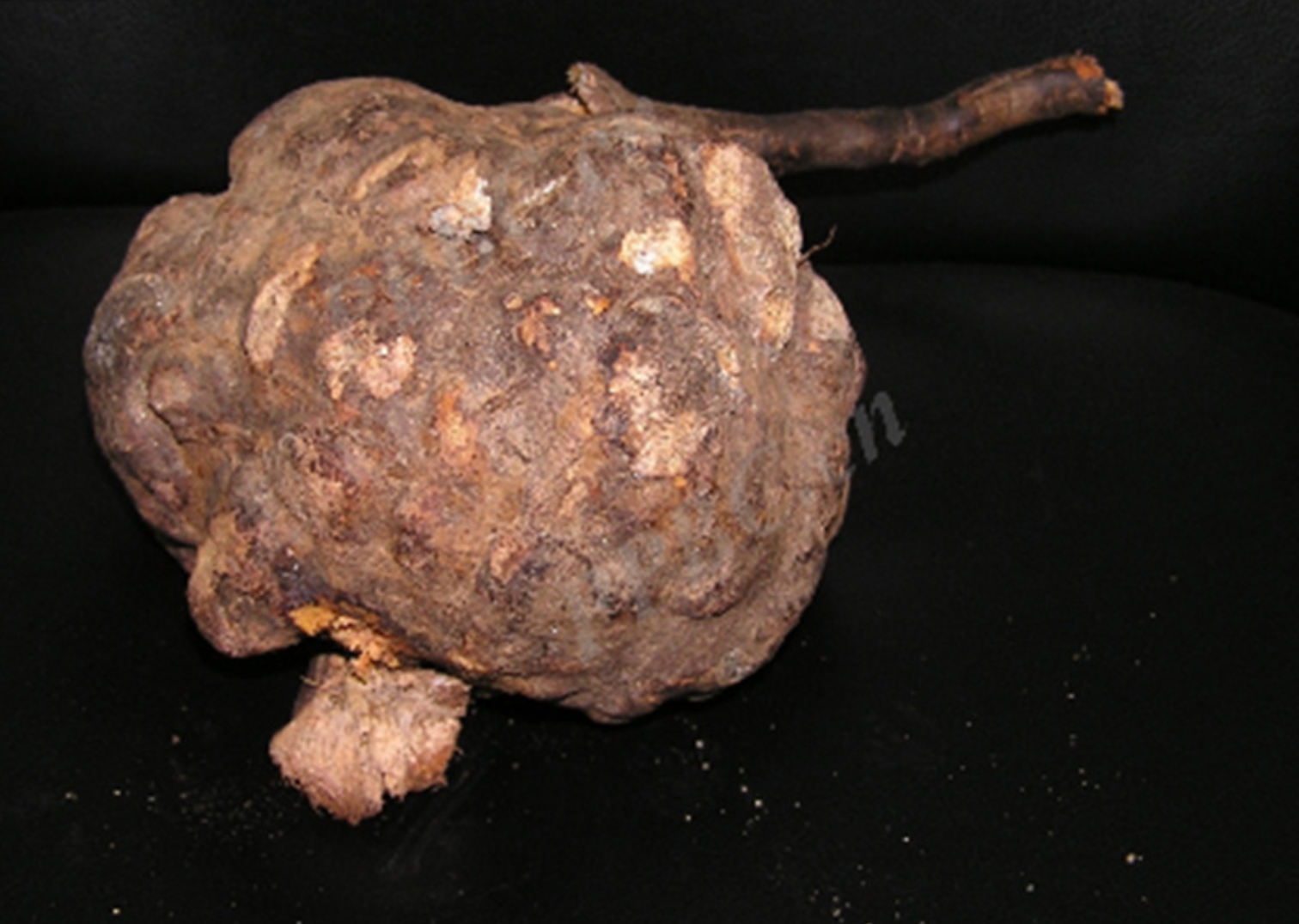
The herb Polygonum multiflorum, best known by its Chinese name He Shou Wu, has been used for more than 1,000 years and has traditionally been associated with "blacken hair and nourish essence”.
However, the exact biological pathway through which the herb enriches hair growth has remained unclear.
Researchers now believe Polygonum multiflorum influences hair growth not just via one biological route, but through several processes involved in hair loss and regrowth at the same time.
In androgenetic alopecia, a hormone called dihydrotestosterone gradually shrinks hair follicles, making it harder for them to keep producing strong, healthy hair.
“When properly processed – a key step in traditional preparation – the herb shows a favourable safety profile, making it more acceptable to patients wary of side effects like sexual dysfunction or scalp irritation linked to current medications,” they wrote.
Researchers hope the latest study could help guide the next generation of hair regrowth therapies.