

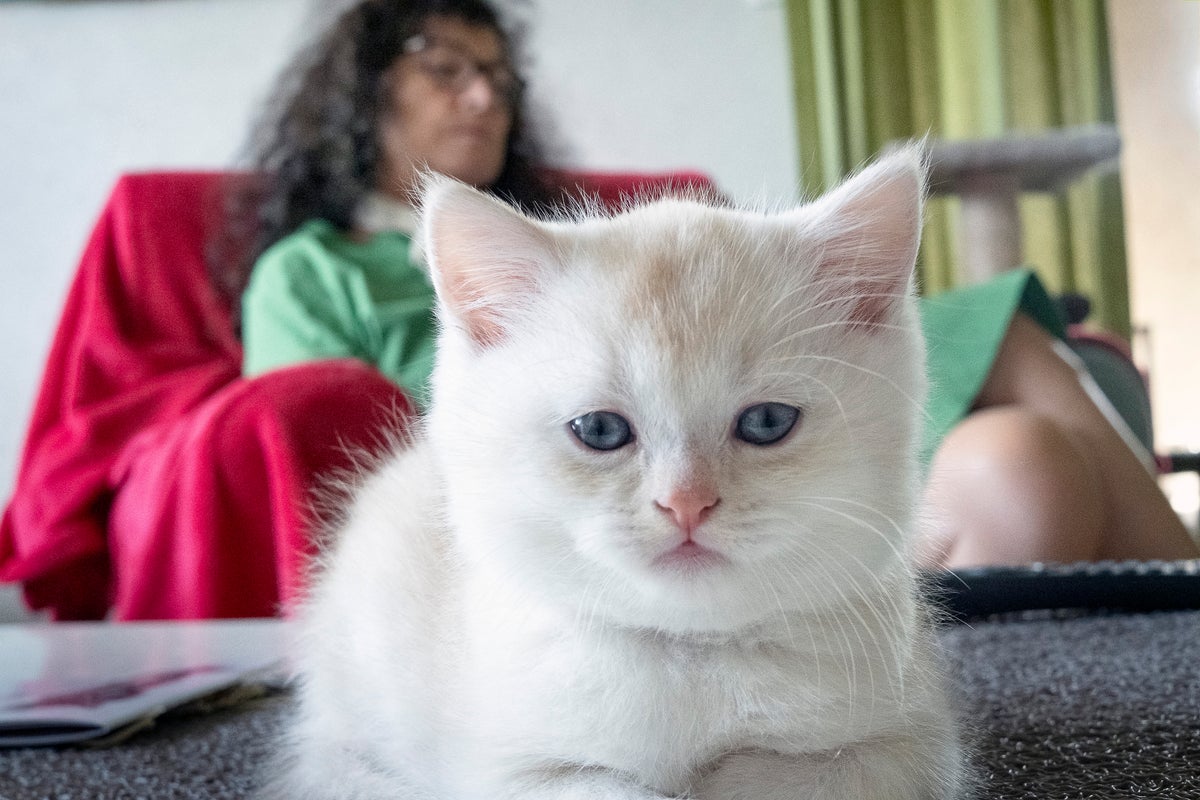
Living with cats is not likely to aggravate asthma in those with the condition, a new study of over 30,000 children suggests.
Asthma is one of the most common causes of hospitalisation among children, with nearly 1 in 10 children and adolescents living with the condition.
The prevalence varies across countries, regions, and environments, with as many as 1 in 5 children living with asthma in the British Isles and parts of the Middle East and Oceania.
Now, scientists have shown that sharing a home with cats is not likely to worsen the outcomes of children with asthma and allergies.
“Here we show in a nationwide cohort of children in Sweden with asthma and allergies, that children living with a cat had similar asthma severity, exacerbation, asthma control, and lung function to children living without cats in the short term,” said Resthie R Putri, an author of the new study published in the journal Frontiers in Allergy.
“We also did not see any differences in asthma outcomes related to the number of cats, the cat’s sex, or the cat’s age,” said Dr Putri, a post-doctoral researcher from Karolinska Institutet in Stockholm.
The study analysed health data from 30,277 children between four and 17 years old diagnosed with asthma or an airway allergy.
Participants were observed for over 24 months until 2024 to track asthma outcomes, drawing records on their diagnoses, emergency hospital visits, prescribed medications, asthma control test and spirometry tests.
“One possible explanation is that cat allergen exposure is very common, even outside the home,” explains Dr Putri.
“Children who do not have cats at home may still be exposed in shared environments such as schools or public transportation, which could explain why we didn’t see a difference,” she says.