


The high-fat, low-carb keto diet may slow brain ageing and protect from diseases like Alzheimer's and Parkinson's, a new research review suggests.
The lack of carbohydrates in a keto diet mimics starvation, inducing the body into a metabolic state known as “nutritional ketosis”, forcing it to shift its main energy source from glucose to molecules called ketones. This means that the body burns fat instead of carbohydrates, a process that can cause some people to lose weight.
While the diet is also medically prescribed for certain conditions like hard-to-treat epilepsy in children, its exact brain protective effects remain unclear.
While cells normally rely on glucose for energy, the brains of people with neurodegenerative diseases often struggle to use the sugar molecules effectively.
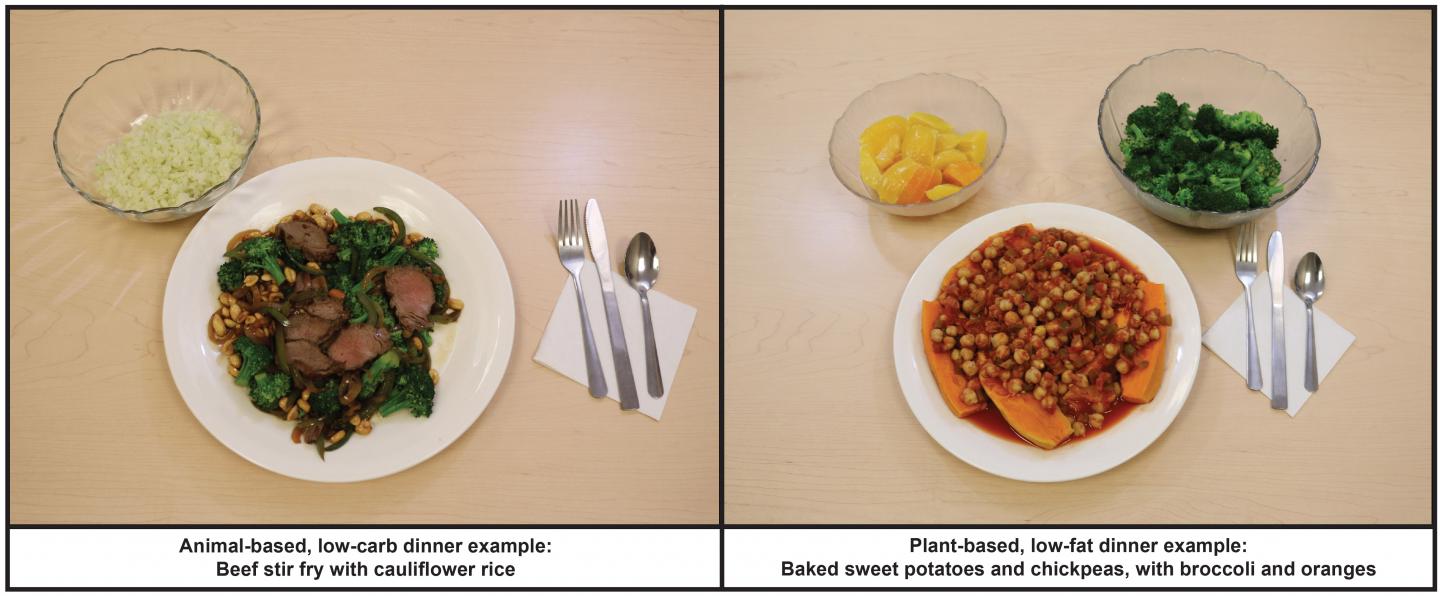
The keto diet prompts the liver to make ketones, which serve as an alternative energy source for the brain and ensure people at risk of neurodegenerative diseases get enough brain fuel.
Some studies show the diet also reduces the number of inflammation-associated gut bacteria. One common underlying factor in diseases like Alzheimer's and Parkinson's is the dysfunction of the cell powerhouses mitochondria in the brain, leading to the build-up of harmful molecules, inflammation, and nerve death.
Current treatments fail to adequately address the underlying loss of nerve cells, researchers say. A keto diet may activate the body’s natural dead-cell clean-up system and reduce the build-up of toxic proteins linked to brain decline.
It may enable Alzheimer's and Parkinson's patients to experience improvements in memory, energy levels, and quality of life without adverse effects, scientists say.
“Future research should prioritise personalising the keto diet through advanced genetic and metabolic profiling, enabling predictions about which patients are most likely to benefit,” they write.
“Emerging technologies, such as wearable devices for biomarker discovery, can enhance monitoring, adherence, and outcome tracking.”