

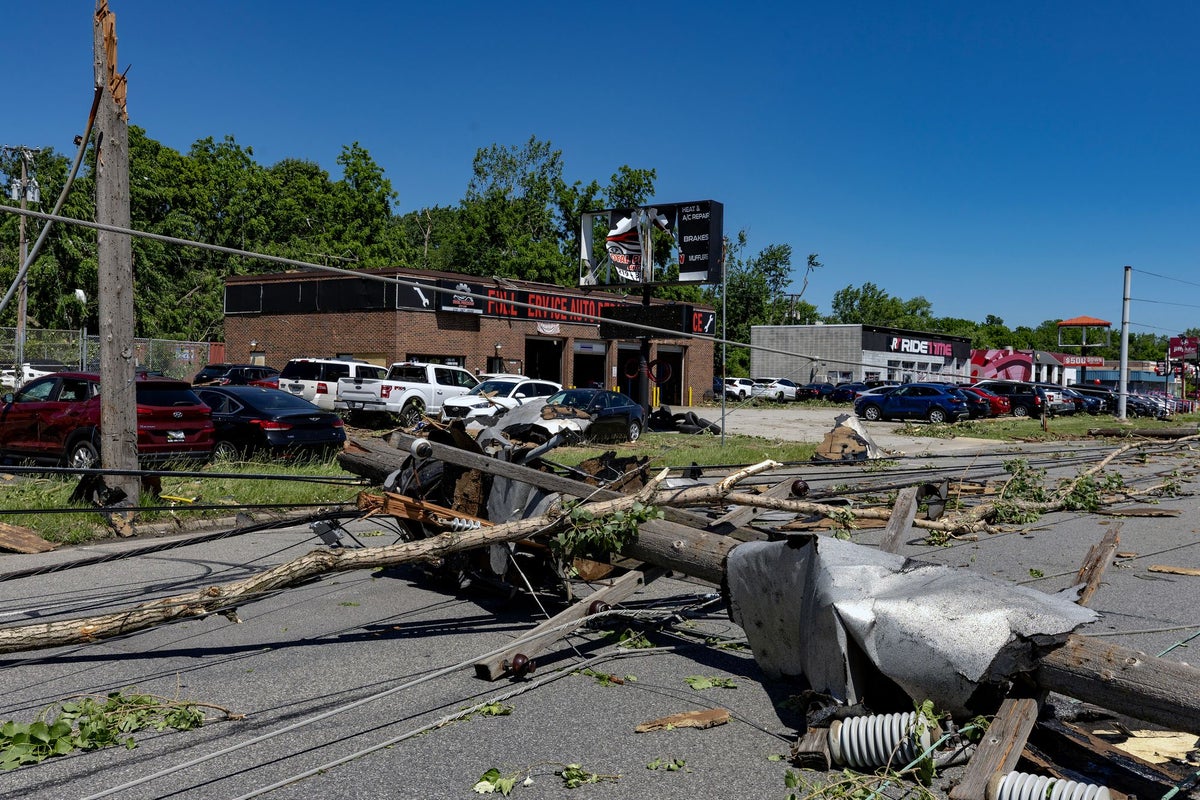
Damage from extreme weather events like hurricanes could one day be limited by nudging their trajectories away from densely-populated areas, a technique that scientists are calling “weather jiu-jitsu”.
Climate change is making extreme weather events like droughts, floods, heatwaves and cold snaps more frequent and intense, leading to mounting losses of life and property. In the US alone, extreme weather caused an estimated $417bn in damage last year.
Yet efforts to control the weather remain small-scale operations, like cloud seeding to encourage local rainfall.
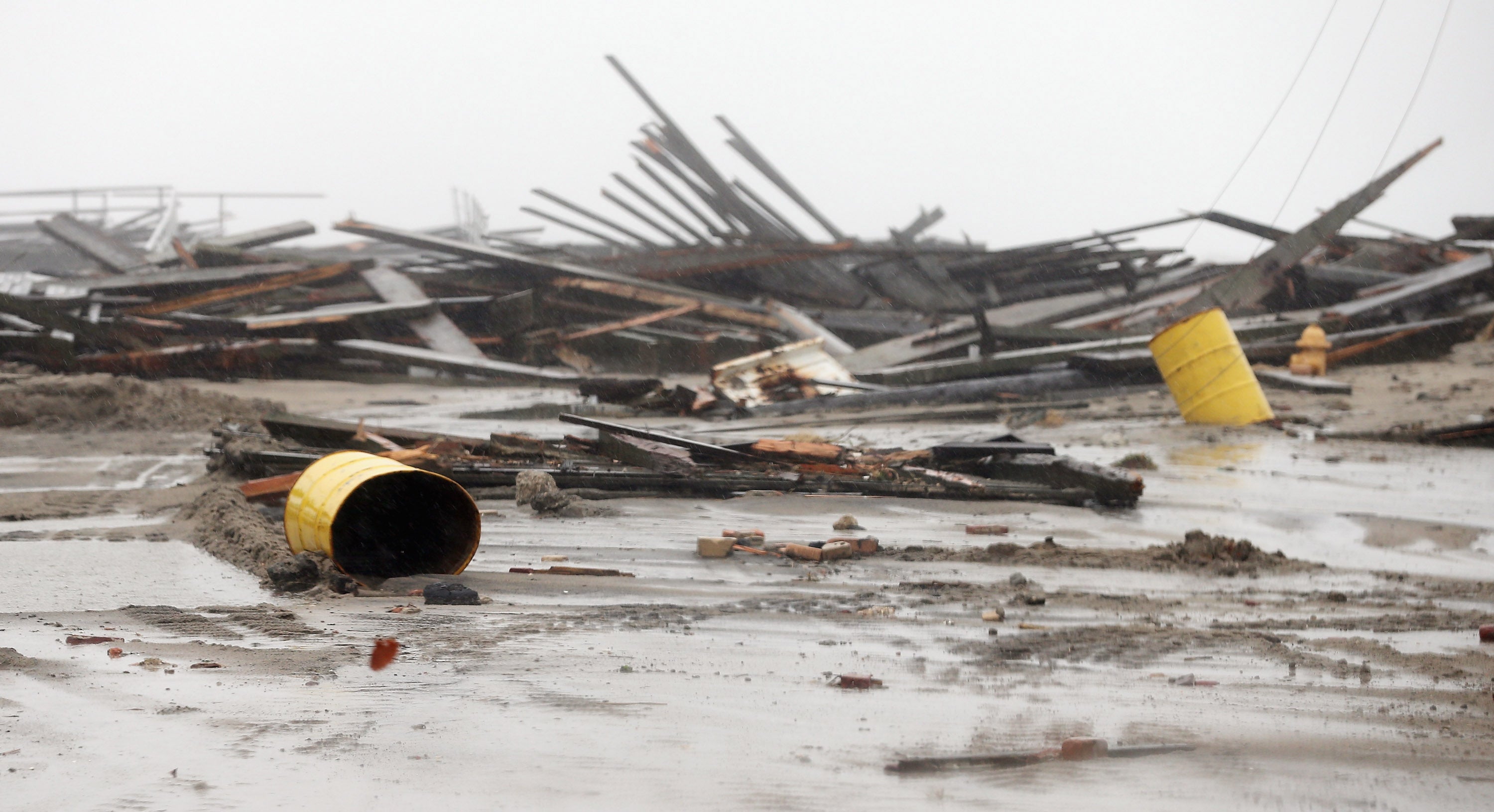
One simulation indicated that small, carefully timed cloud-seeding operations days before the 2012 Hurricane Sandy could have shifted its track by about 300 miles to miss New York City.
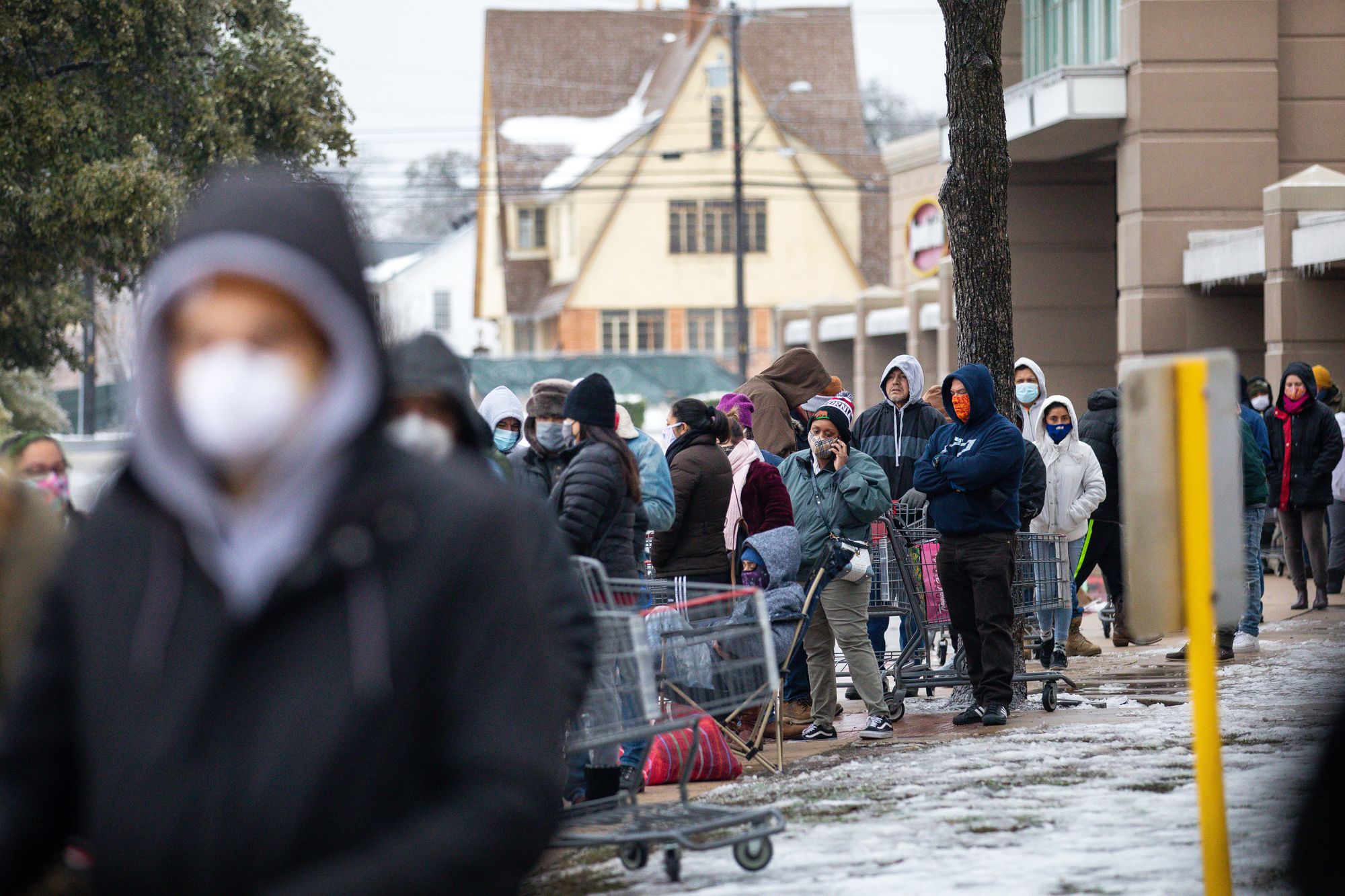
Another simulation showed a similar weather operation could have raised the low temperature of the 2021 Texas freeze to about -7C. The state experienced temperatures as low as -19C during the brutal cold snap.
While their research suggests “weather jiu-jitsu” may be possible, researchers point out that real-world implementation will require further advances in weather monitoring.
It’ll also require a better theoretical understanding of where and how various weather extremes can be controlled.
The common perception is that vast amounts of energy are needed to induce changes in atmospheric circulation. But the new theory says appropriately timed small nudges that require significantly lesser energy can alter trajectories of concerning weather systems like hurricanes.
But if it proves successful, researchers say, the proposed approach can complement conventional disaster management .
"The growing impact of weather extremes on society highlights that traditional approaches such as dams, levees, and insurance alone may not be sufficient to address the widespread consequences of these hazards,” they argued. “Weather jiu-jitsu proposes a new paradigm: using carefully timed and placed small interventions to leverage the atmosphere's own dynamics, potentially steering or defusing extreme events before they cause harm.”