


Researchers may have just found a new way to offset the effects of sleep deprivation.
Normally, not getting enough sleep leads to drowsiness, as well as slow physical responses, a lack of focus and mood swings. It can also raise your risk for chronic disease.
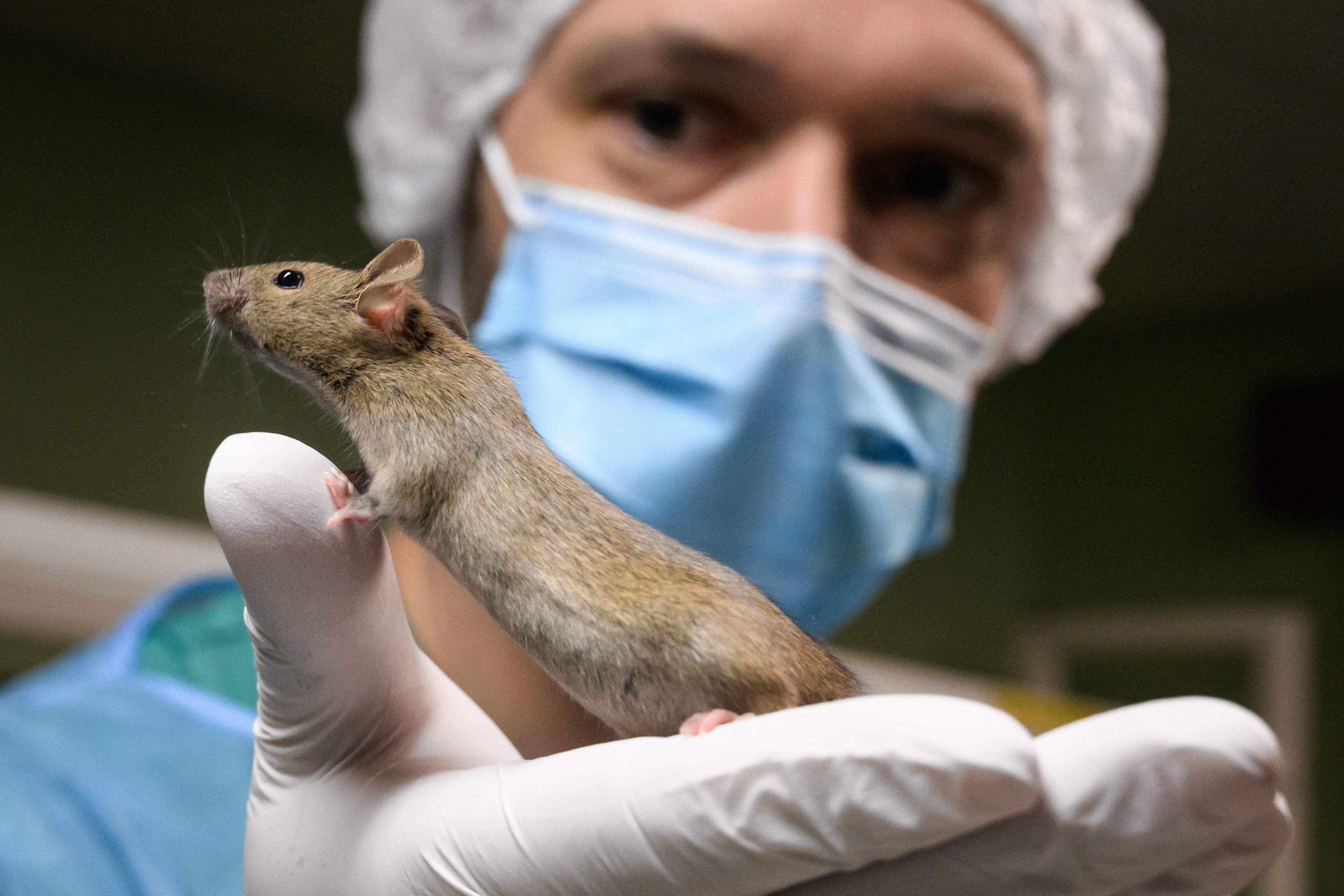
But a new study in mice shows scientists can help trick the brain into thinking it’s getting the restoration it needs, triggering a reboot of connections between cells that typically only occurs when sleeping, which in turn helps consolidate our memory.
The scientists implanted tiny fiber-optic cables into the mice’s brains. The cables produce pulses of light over the course of 30 minutes, recreating the rhythm of deep sleep in part of the brain of the animals, who were kept awake to make sure they were extra tired.
“Dolphins do something similar, sleeping with only one brain hemisphere at a time,” she noted.
After the mice underwent these tests, they showed signs of needing less sleep. Their slow brain waves, a hallmark of deep sleep, were lower in the regions of the brain that were stimulated.
Brain waves are the electrical pulses produced by brain cells as we sleep and the organ works to restore itself. They can be fast and slow.
The researchers then further tested the benefits of their implants using a memory test.
The mice who were sleep-deprived and had received the stimulation on both sides of their brain performed similarly to well-rested mice.
Sleep-deprived mice who did not receive stimulation performed “significantly worse,” the National Institutes of Health said.
While the technique has not been tested in humans yet, both humans and rats show signs of this deep sleep — slow brain waves — while awake.
Future studies will aim to learn whether similar effects could be reproduced in humans, using less invasive technology for the stimulation.
“This research further decodes why we sleep and how we learn, which brings us a step closer to understanding how to better prevent and treat cognitive decline,” Amy Bany Adams, acting director of the NIH’s National Institute of Neurological Disorders and Stroke, said in a statement.
The NIH funded the research.