

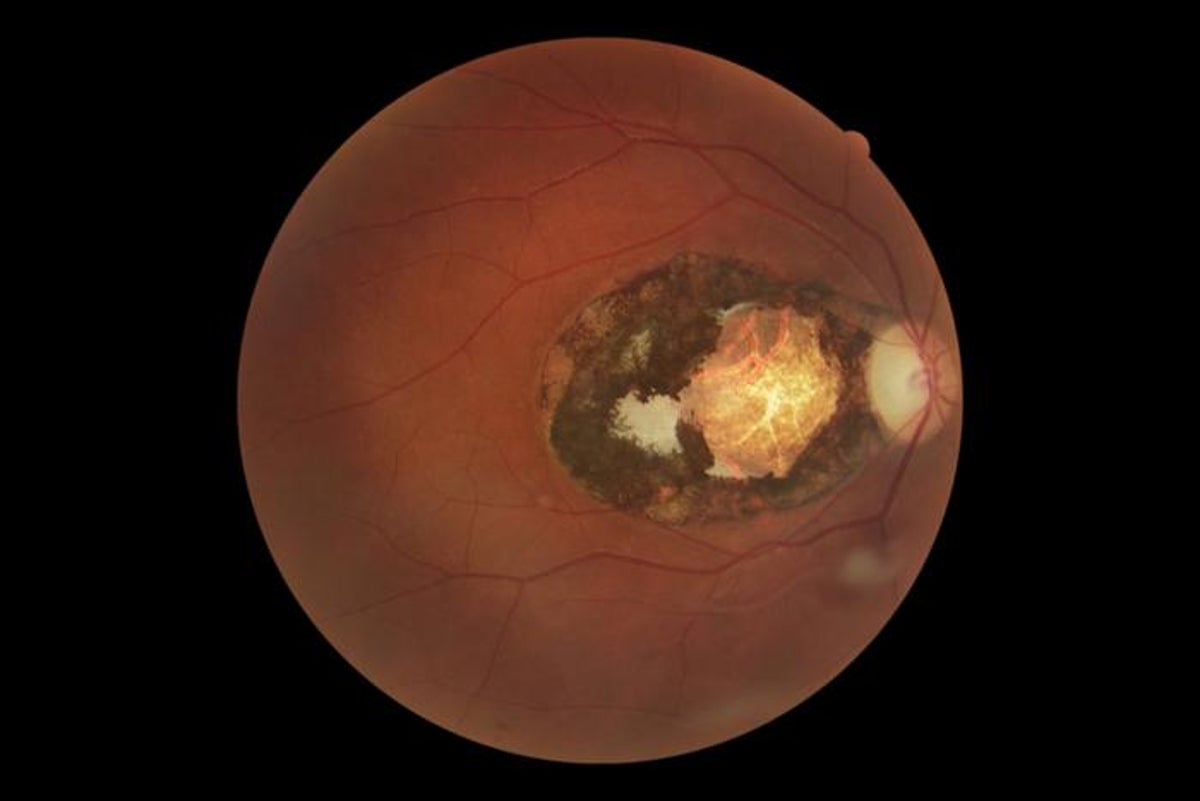
As much as a third of the world’s population could be infected with a parasite from cats that might lead to retina-damaging eye infection and permanent vision loss, a groundbreaking new study warns.
Although the disease, toxoplasmosis, is preventable and treatable, researchers call for it to be formally recognised as a neglected tropical disease (NTD) by the World Health Organisation (WHO).
“Toxoplasmosis is a leading eye infection and a major cause of vision loss worldwide, yet it receives limited attention in global health agendas,” said Justine Smith, an author of the study published in the journal PLOS Neglected Tropical Diseases.
Cats themselves may get infected from eating raw meat, birds, or rodents.
Curbing the disease’s spread would require integration of veterinary strategies, improved farm health safety, management of stray cats, and safe disposal of animal waste, scientists say.
It occurs mainly in communities with limited access to healthcare, safe food, clean water and prenatal care.
In most severe cases, infection with the parasite may lead to inflammation of the retina and permanent blindness, scientists warn.
“Toxoplasmosis is often seen as inevitable, but it has well-characterised transmission pathways and can be prevented and controlled,” said João Furtado, another author of the study.
“These impacts could be reduced through practical public health measures such as improved food safety, clean water, sanitation and better access to antenatal care,” Dr Furtado says.
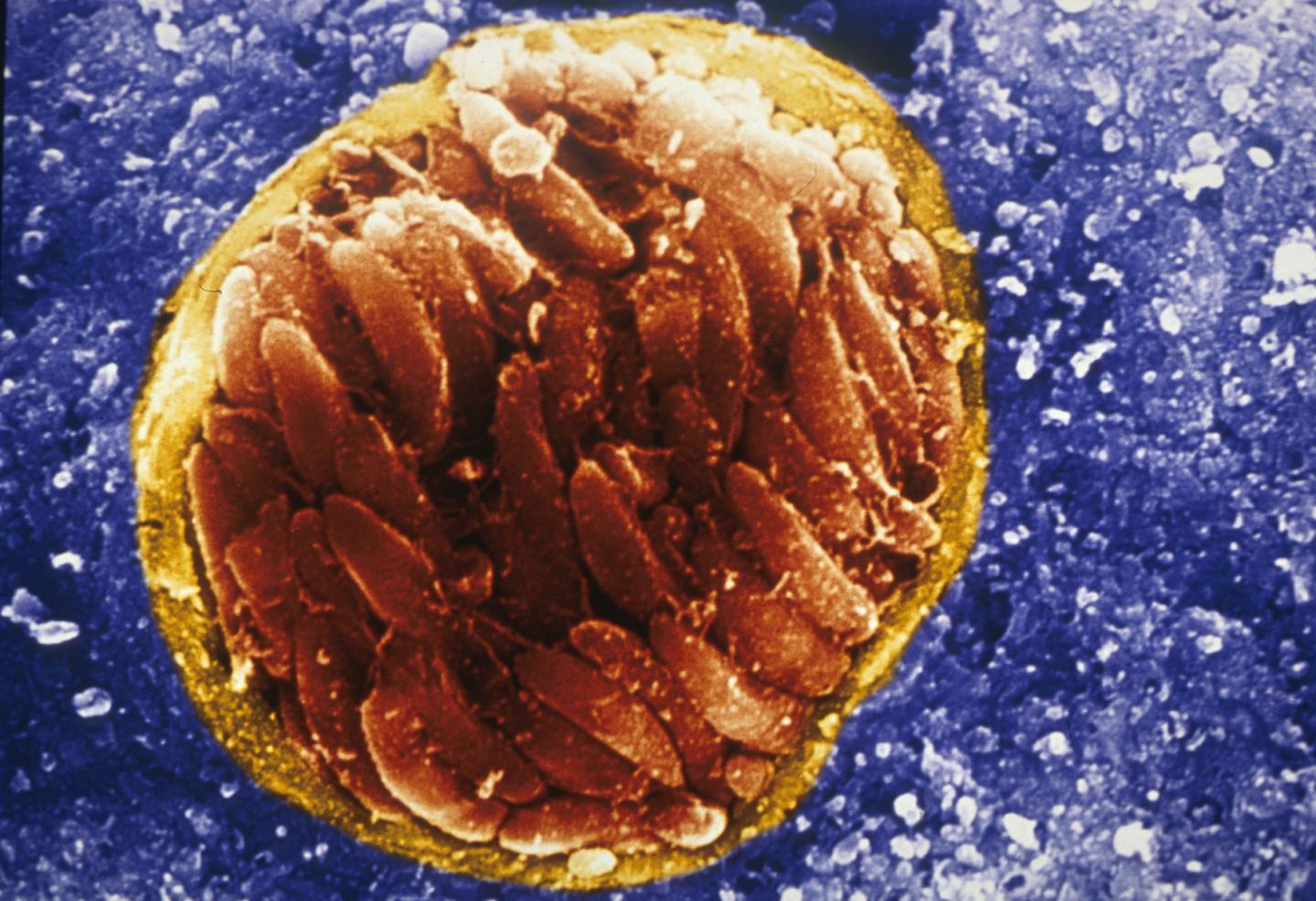
Researchers warn that currently there is less research funding and policy attention for toxoplasmosis than diseases with similar or lower impacts.
Addressing the disease, they say, requires collaboration across multiple fields.
It would also place toxoplasmosis within the global One Health agenda, which encourages coordinated action to curb diseases across human, animal, agricultural and environmental sectors.
“Our statement is a call to action to finally address the unacceptable global health burden of toxoplasmosis,” Dr Smith said.
“It would support countries to integrate toxoplasmosis prevention into maternal and child health programs, food safety systems and primary care,” he said.