

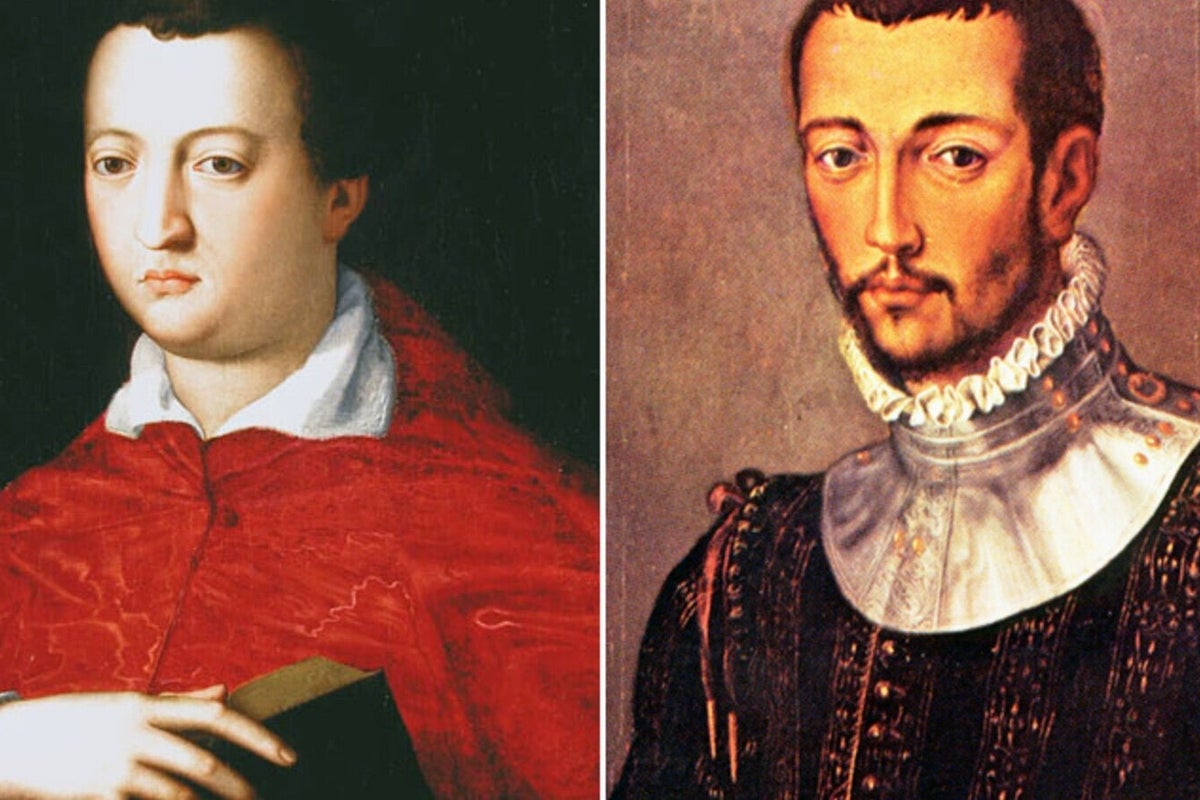
A new genetic analysis of skeletal remains of Renaissance Italy’s Medici brothers has revealed they were infected and succumbed to the plasmodium parasitic protozoa that causes malaria.
The latest findings shed light on the spread and evolution of malaria in central Italy during Renaissance and beyond, say researchers in the study published in the journal iScience.
They also offer conclusive proof against persistent speculation that Francesco de Medici was poisoned to death, scientists say.
Malaria was endemic to Central Italy up until the 20th century, when eradication campaigns eliminated the disease from the region.
Historical accounts note that Cardinal Giovanni de Medici died at age 19 after his family, including his mother, Eleonora of Toledo, and younger brother, Garzia, contracted malaria during a 1562 trip to the Tuscan coast, where the marshes were known to be a breeding ground for the disease.
Then in 1587, Francesco de Medici and his wife, Bianca Cappello, visited the Medici family's villa in Poggio, located amid swampy rice fields where mosquitoes thrived.
The couple died on consecutive days after suffering intermittent fevers consistent with malaria.
However, rumours spread after their quick deaths that Francesco's brother and rival, Cardinal Ferdinando de Medici, had them poisoned them.
"At the time, both were diagnosed with symptoms, such as intermittent fevers, consistent with malaria," said study co-author Valentina Giuffra.
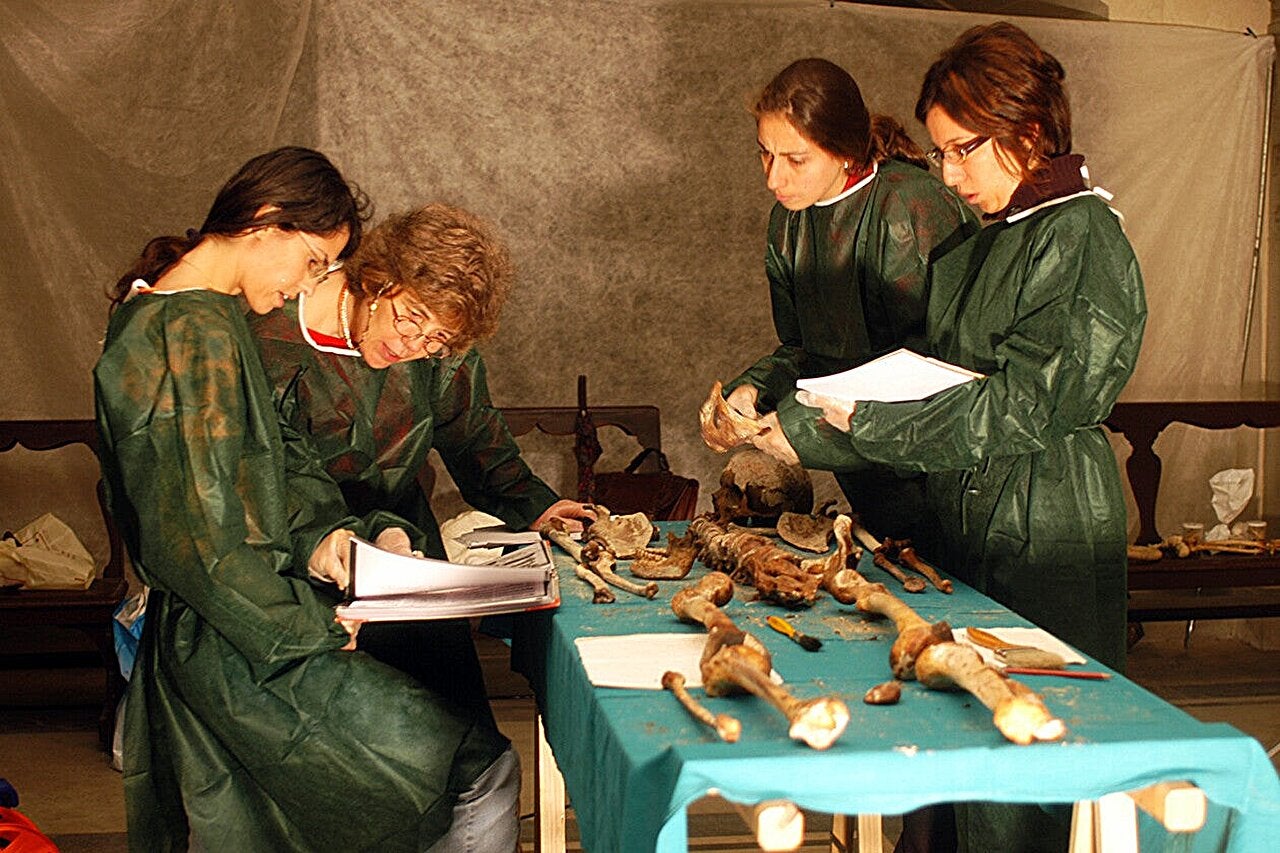
In the study, scientists collected DNA from four rib samples of the Medici brothers, entombed in the Medici Chapels, mausoleums within the Basilica di San Lorenzo in Florence, Italy.
The finding that Francesco de Medici had traces of two malarial parasite species hints both of them were likely spreading in Europe at the time.
But researchers say further genetic evidence is needed to prove this.
“The study of ancient DNA offers us an opportunity not only to diagnose malaria in the remains of individuals from the past, but it also offers us a window for understanding the evolution of malaria species, which can help scientists better understand how the pathogen adapts over time," said study co-author Alexander Ochoa.