

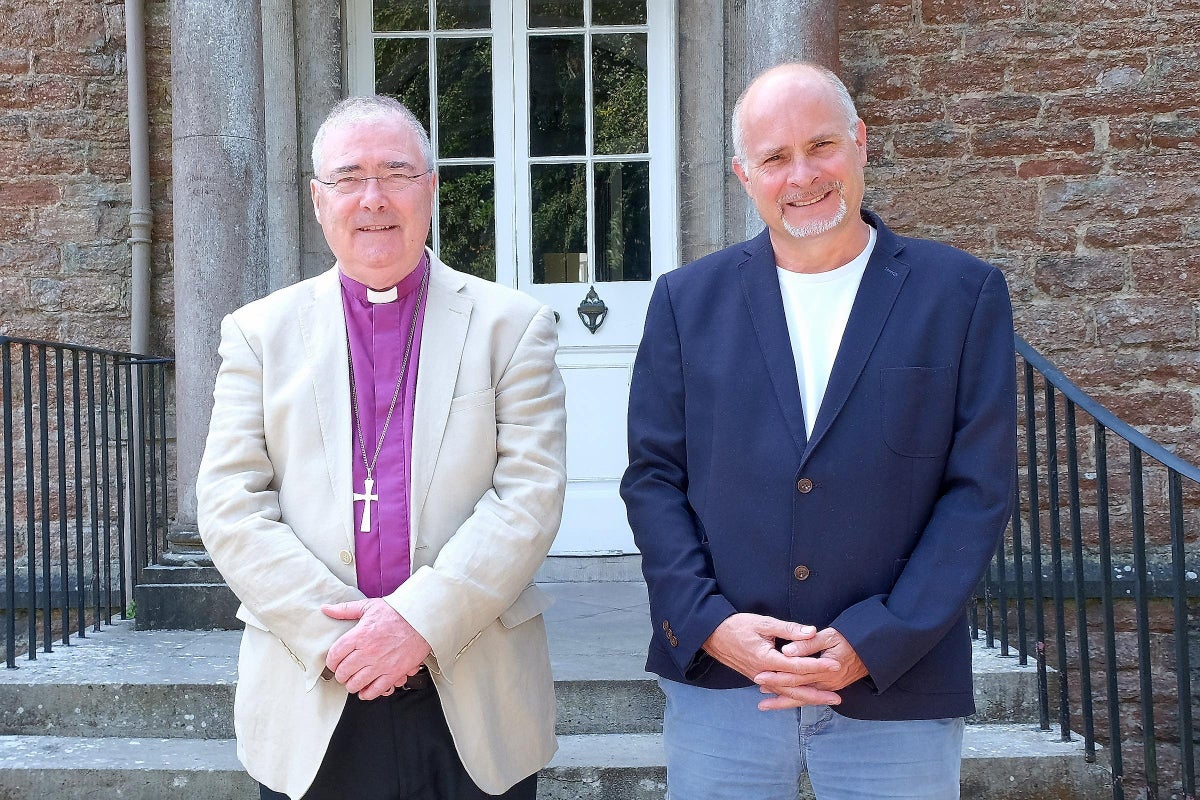
An astronomer based at Armagh Observatory and Planetarium (AOP) has been awarded funding of two million euro to investigate how the first stars in the universe “switched on the lights” following the Big Bang.
Professor Jorick Vink said the European Research Council (ERC) Advanced Grant has the potential to be “transformational” both for the observatory and for research worldwide.
The funding will create up to eight new research positions at AOP over the course of the project.
The Advanced Grants give senior researchers the opportunity to pursue ambitious projects that could lead to major scientific breakthroughs as part of the EU’s Horizon Europe programme.
He added: “I’ve been successful in getting grants before but none like this one – this is very prestigious.”
His research centres on one of the central questions in astrophysics – what ended the universe’s so-called dark ages and effectively “switched on the lights” in the first stars.
After the Big Bang, the universe expanded and entered a period known as the Cosmic Dark Ages, before the first stars ignited.
The earliest stars are believed to have been much bigger than most stars we observe today, including the sun.
Their brightness is thought to have been responsible for flooding the universe with light, which billions of years later can be observed with instruments such as the Hubble Space Telescope and the James Webb Telescope.
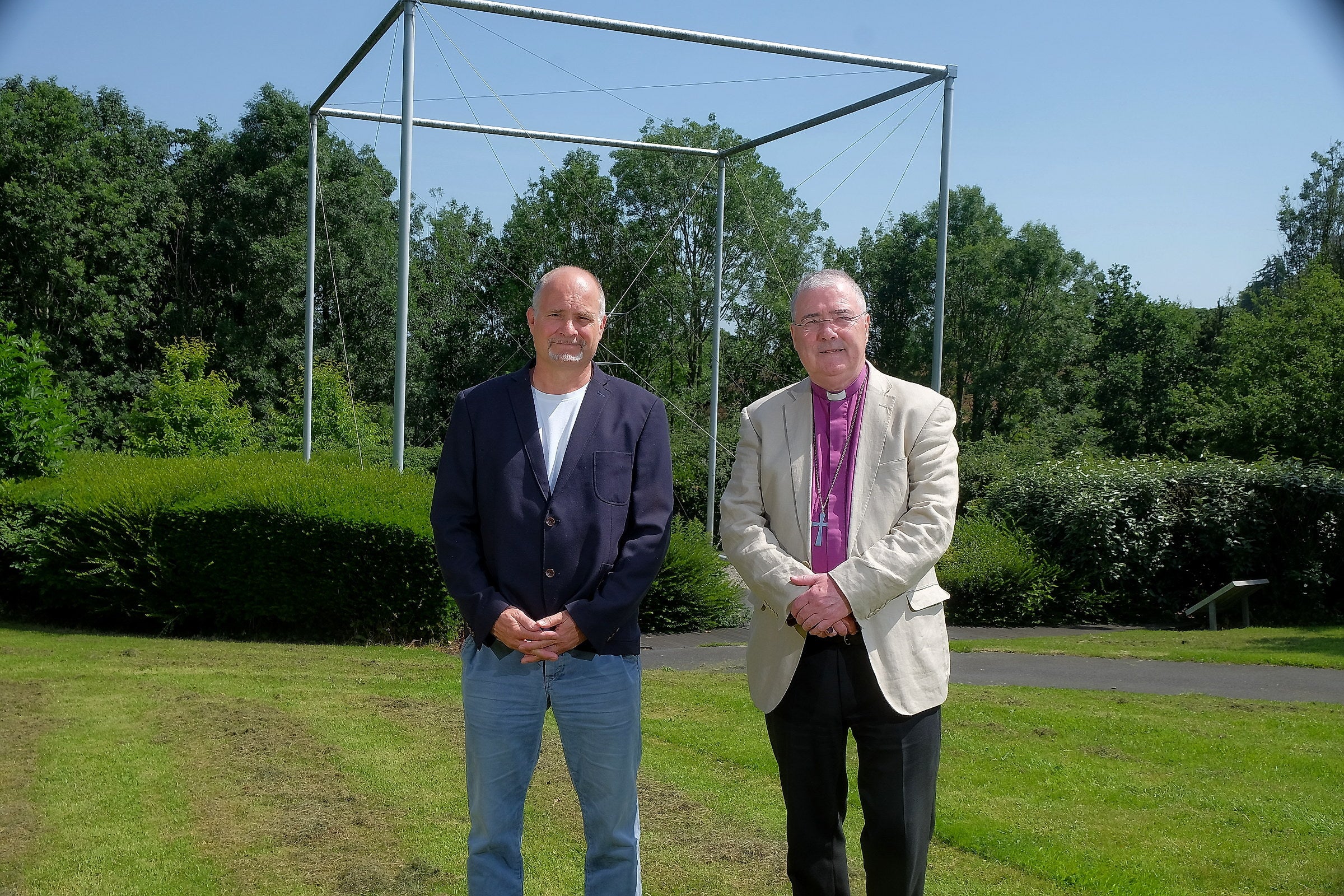
Astronomers believe that uncovering the nature of these first stars will help to understand the origin of the universe.
He said: “Humans want to understand their own origins. I think that’s a very human wish, a desire to know where we come from.
“Therefore, research grants such as ERC have cultural aspects as well as benefits for science and the economy.”