

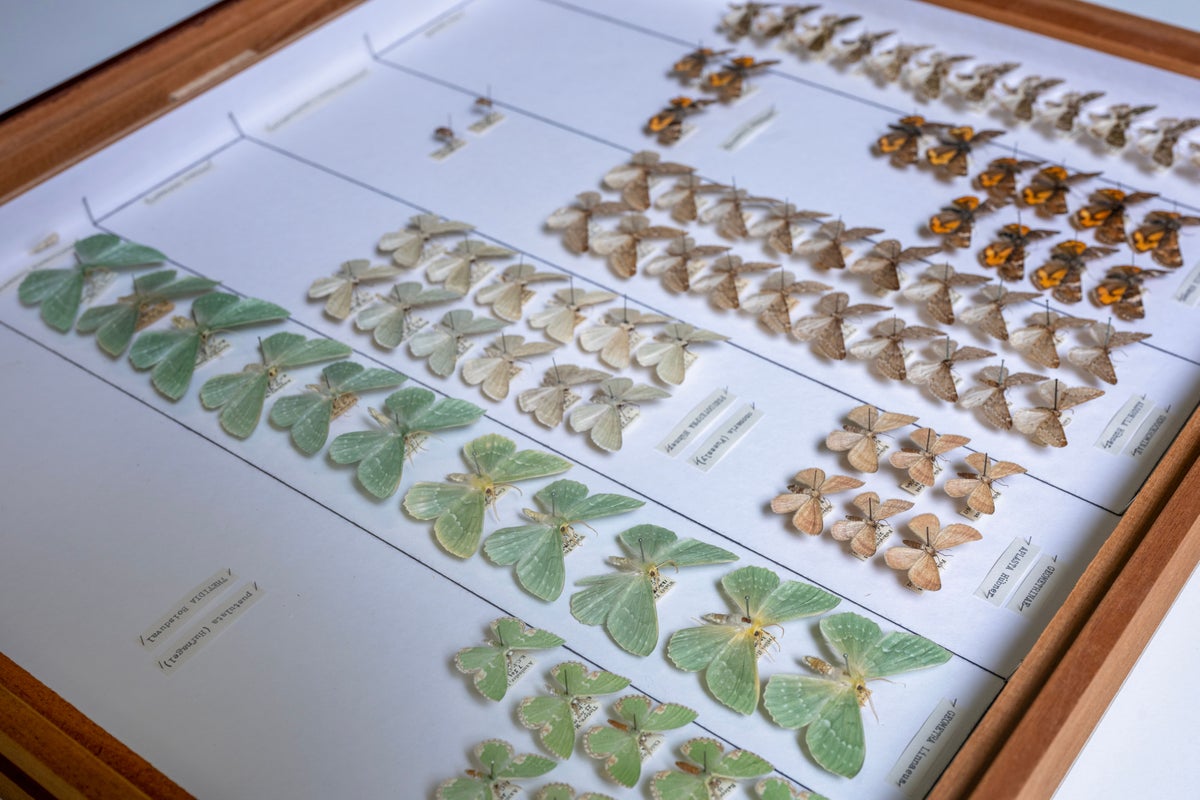
Digital records of around 700,000 specimens held in Scotland’s natural science collections are to be created in a digitisation project that will help unlock “critical information” about biodiversity.
More than 250,000 insects from National Museums Scotland (NMS) and 388,000 herbarium specimens from the Royal Botanic Garden Edinburgh will become digitally accessible to all through the project, along with thousands of specimens from other collections.
NMS and the Royal Botanic Garden Edinburgh will lead jointly in creating a network to add Scotland to the Distributed System of Scientific Collections UK (DiSSCo UK) project, thanks to more than £1.8 million in funding from the Arts and Humanities Research Council (AHRC).
Edward Pelham-Clinton spent decades travelling Britain and Ireland, collecting more than 35,000 moths and butterflies, filling 64 meticulous field diaries with observations on 2,169 species and creating what is thought almost certain to be the most detailed personal record of British moths ever compiled.
Dr Nick Fraser, keeper of natural sciences at NMS and project co-lead, said: “Unlocking the full power of this archive means digitising every page of those diaries and every specimen label.
“That means that anyone, anywhere, can ask what was flying in a Scottish meadow in the 1950s, and compare it to what is flying there now which, in some cases, may be very little due to expanded human inhabitation and activity”.
Commenting on the wider project, he said: “This is a really exciting undertaking. It will really activate collections which have been amassed across Scotland for over 200 years.
“Having these records digitally available will allow us to unlock the critical information that these collections hold about changes in biodiversity over time and the impact of climate change on diverse ecosystems both here in Scotland and across the world.”
The Herbarium of the Royal Botanic Garden Edinburgh collection, used by researchers from around the world, includes preserved specimens of the plant and fungal kingdoms ranging from lichen from the slopes of Ben Nevis to plants from moorland, cities and coastal shores.
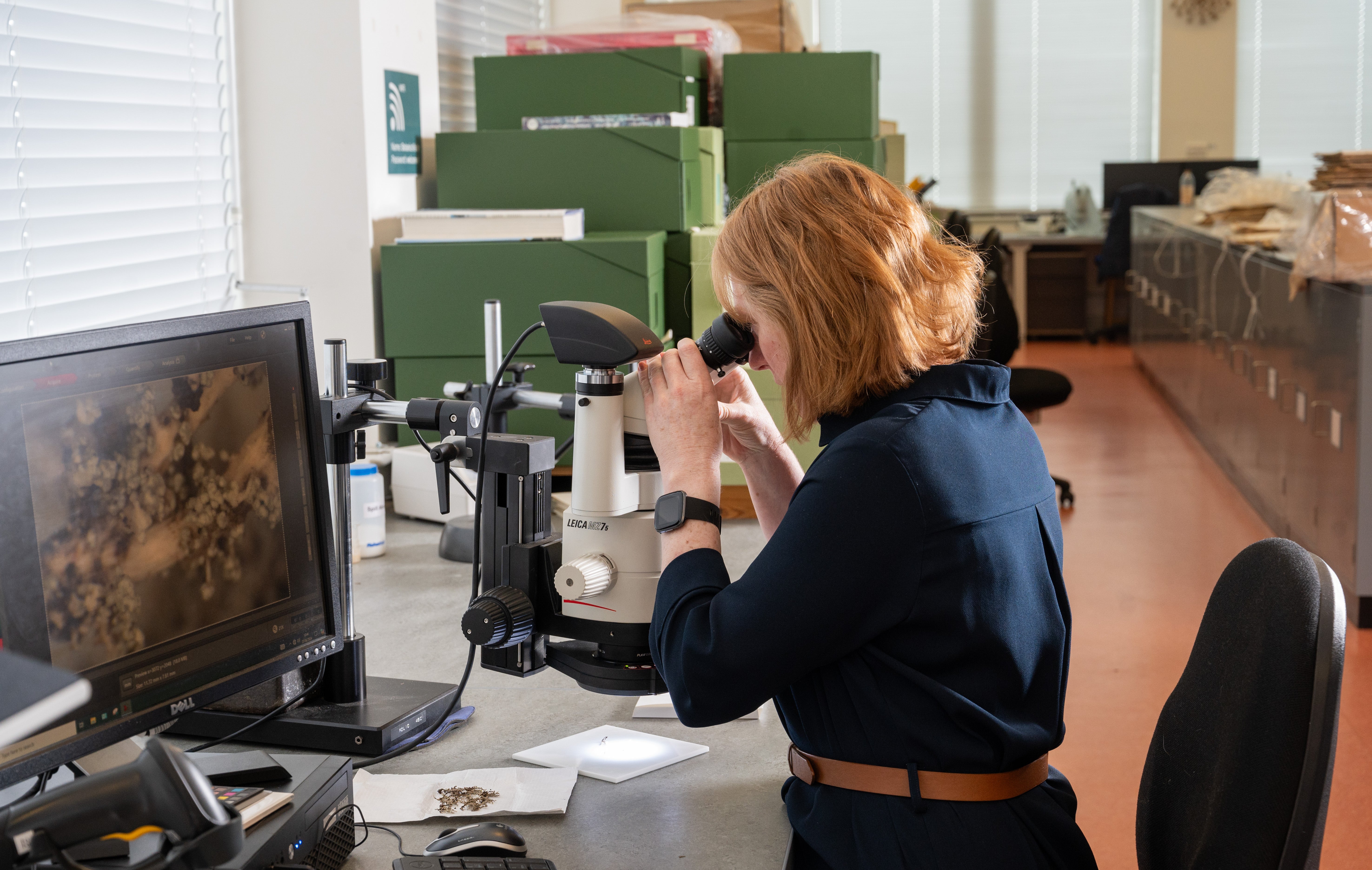
Professor Olwen Grace, deputy director of science (collections), curator of the Royal Botanic Garden Edinburgh Herbarium and project co-lead, said: “This project brings together Scotland’s exceptionally rich natural science collections in a united effort to mobilise the biodiversity records they hold.
“Over 10 years, DiSSCo UK will deliver progress that would otherwise have taken over a century, including the creation of millions of newly digitised records and a network of around 100 collections from national museums and gardens, and universities to local collections that would never have had such access without it.
“And the outcomes of this £155 million investment will offer exciting new opportunities for science as well as society.”