

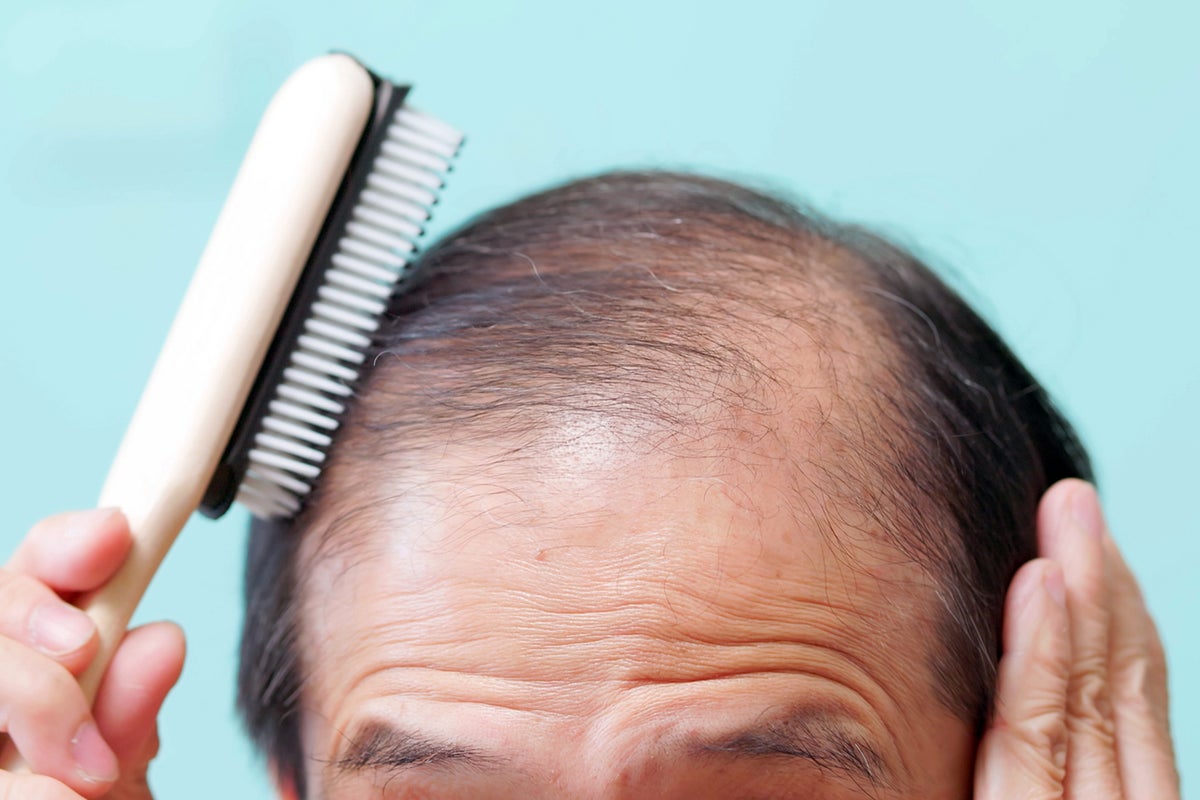
Weight loss drugs have been linked to hair loss, a new study has claimed.
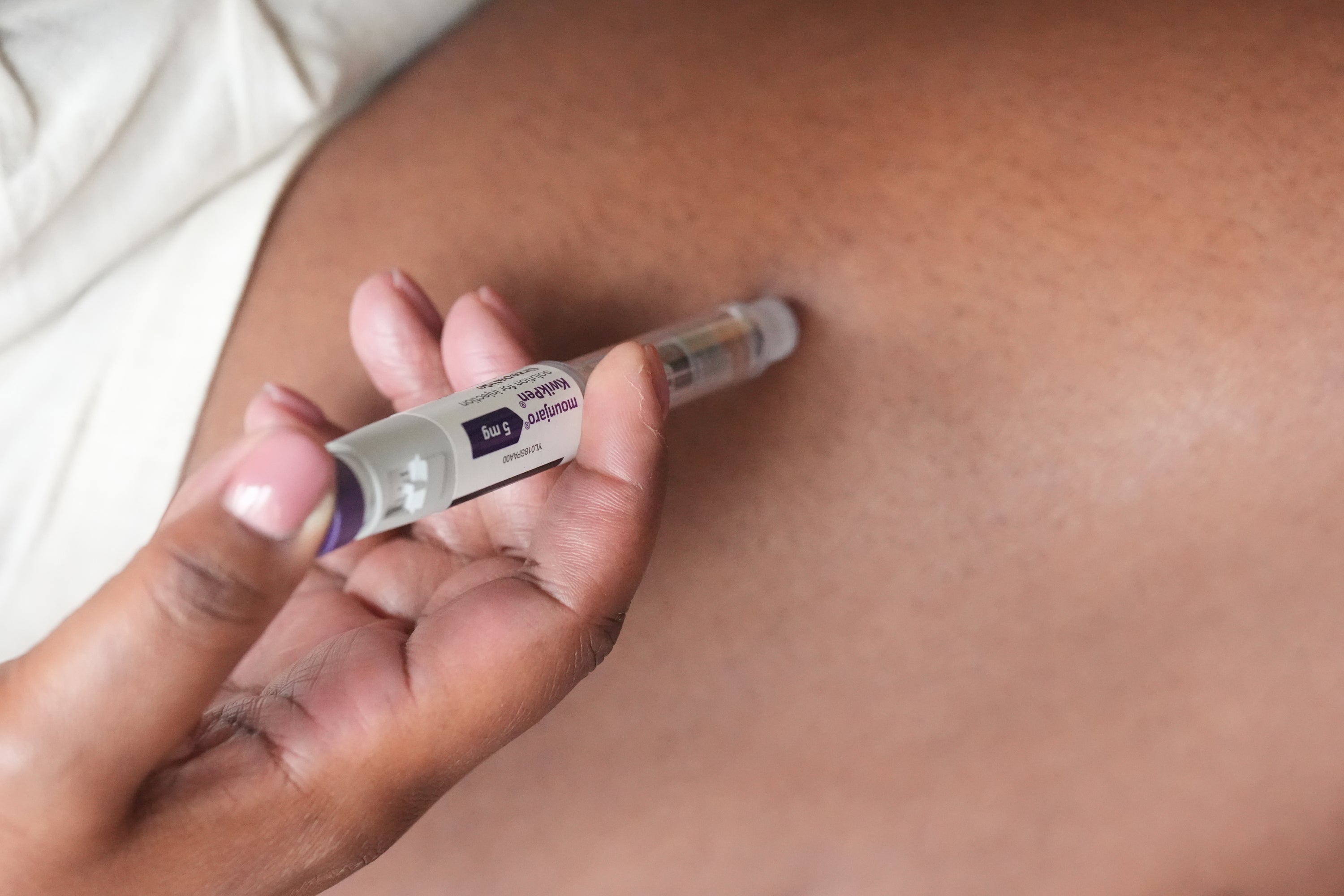
People on GLP-1 agonist drugs, such as Mounjaro, Ozempic and Wegovy, have been reporting hair loss to regulators and a new study on around 50,000 people appears to support the link.
GLP-1s are primarily used to treat diabetes and obesity by mimicking hormones to regulate blood sugar and reduce appetite.
Experts used data to compare rates of alopecia hair loss in adults using GLP-1s to manage diabetes with those on other drugs.
So far in 2026, the UK Medicines and Healthcare products Regulatory Agency (MHRA) has received 399 reports of hair loss relating to tirzepatide, alongside 541 last year.
It has also received 148 reports of hair loss linked to semaglutide, alongside 164 reports last year.
For the new study, the team looked at people with type 2 diabetes on GLP-1 receptor agonists or other types of diabetes drugs known as SGLT-2 inhibitors, or DPP-4 inhibitors.
In total, 12,004 patients using GLP-1s were compared with 15,221 using SGLT-2 inhibitors and a further 11,964 GLP-1 users were compared with 11,233 DPP-4 inhibitor users.
After adjusting for factors that could influence the results, such as age and weight, researchers found using GLP-1 drugs were associated with a 37% higher risk of alopecia than use of SGLT-2 inhibitors.
GLP-1s were also linked to a 68% higher risk of hair loss than use of DPP-4 inhibitors.
Further analysis suggested the link related to non-scarring alopecia (where hair follicles remain intact, leaving the potential for hair to regrow).
Other factors may include the “metabolic, hormonal, and immunological effects attributed to GLP-1 receptor agonists that may influence hair follicle growth and cycling”.
For example, GLP-1 receptor agonists have been associated with changes in thyroid function, and delayed gastric emptying may alter the absorption of orally administered drugs, including thyroid hormone or sex hormone therapies, they said.
“Such changes could influence hair growth through endocrine mechanisms, particularly in individuals with underlying hormonal conditions.”
The team concluded: “Our findings extend previous anecdotal safety signals and provide more systematic evidence to inform clinical awareness of this potential adverse effect.”
On Wednesday it was revealed the drugs have also been linked to a fall in the number of people who are dependent on alcohol being admitted to hospital.
Studies suggest the medication could help curb alcohol consumption.
However, researchers in the US said the evidence “remains limited and mixed”.