

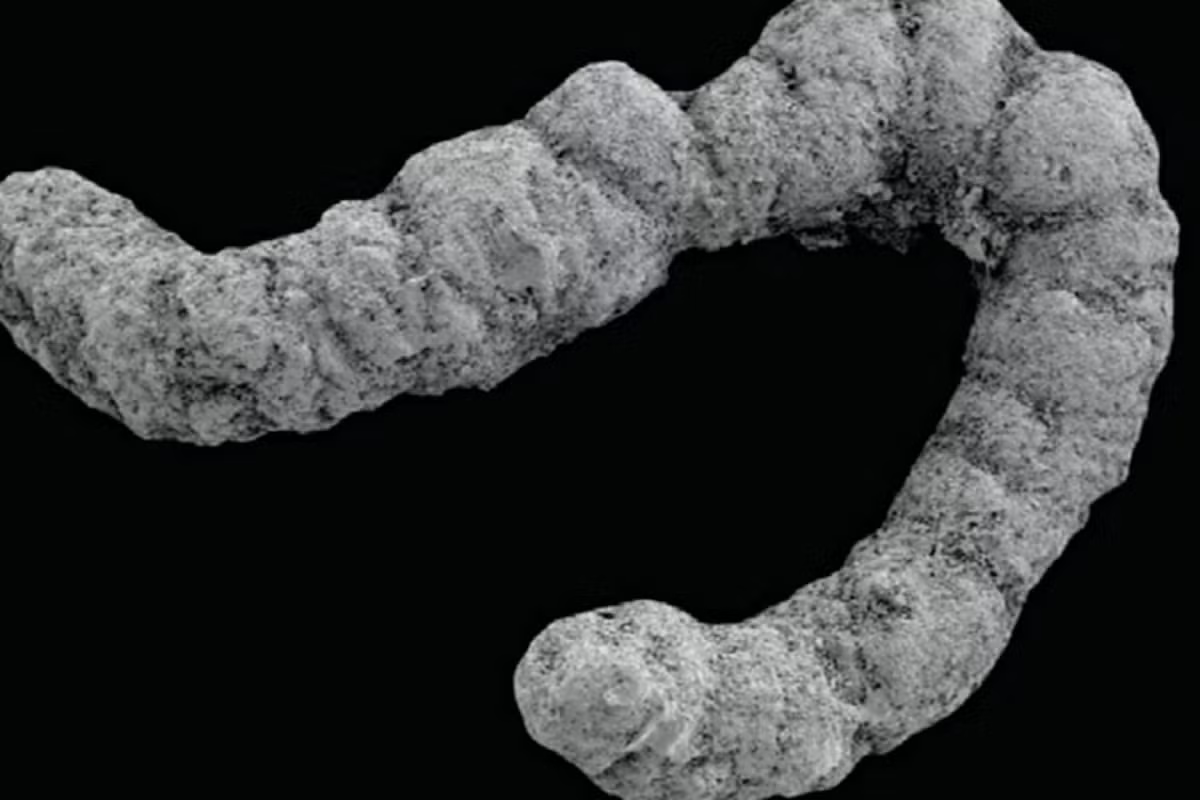
As all children learn, everyone poos. But when did this begin?
And what evolutionary and environmental changes accompanied the dawn of dung? Going further, is the evolution of excrement the reason we exist?
Our new research suggests the evolution of fecal matter helped fuel one of the most important events in the history of life on Earth: the Cambrian explosion.
And poo really might be the reason animals were such a huge evolutionary success.
A hidden clue to the Cambrian explosion
Around 540 million years ago, the Cambrian explosion transformed life on Earth. During a relatively brief interval in geological time – somewhere between 13 million and 25 million years – most of the major animal groups appeared.
Around the same time, the first marine ecosystems developed and became more complex. Marine food webs began to look like those of modern oceans.
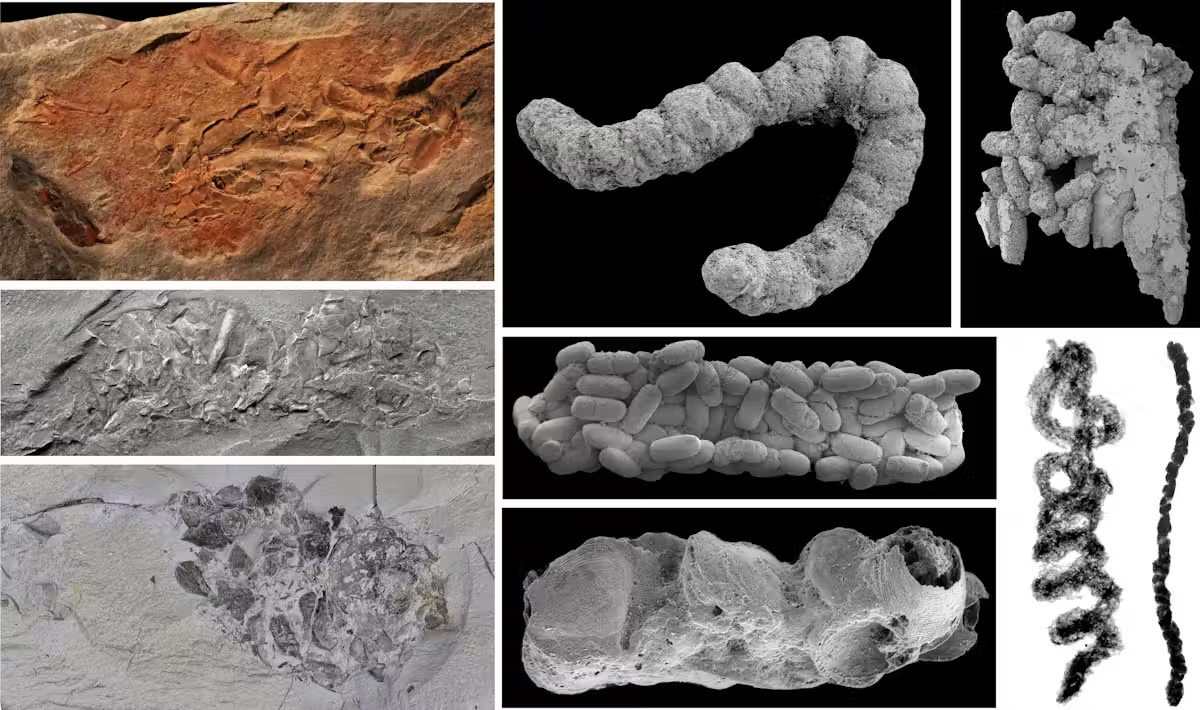
The earliest animals appeared around 60 million years before the Cambrian explosion began. However, until the Cambrian there is little or no evidence of complex digestive systems, nor any confirmed coprolites.
The fossil record of guts and coprolites shifts dramatically during the Cambrian. The first fossilised feces appear right at the onset of the Cambrian and become increasingly abundant.
The ecological significance of this innovation becomes clearer when viewed alongside modern oceans.
Today, fecal pellets are an important component of the biological pump – the process that transports organic carbon and nutrients from surface waters into deeper marine environments. As fecal pellets sink, they carry nutrition to support life well beyond the sunlit surface ocean.
Our research suggests the widespread appearance of fecal matter during the Cambrian may represent the evolutionary origin of this process.
About the authors
Russell Dean Christopher Bicknell is a Post-doctoral researcher in Palaeobiology, Flinders University. Julien KimmigHead of Palaeontology Division at the Natural History Museum Karlsruhe. This article was first published by The Conversation and is republished under a Creative Commons licence. Read the original article .
As animal diversity and biomass increased during the Cambrian, so too would have the production of fecal pellets. This would have meant more sources of energy and nutrients sinking to deeper marine habitats, and making food more widely available in shallower waters.
More complex marine communities
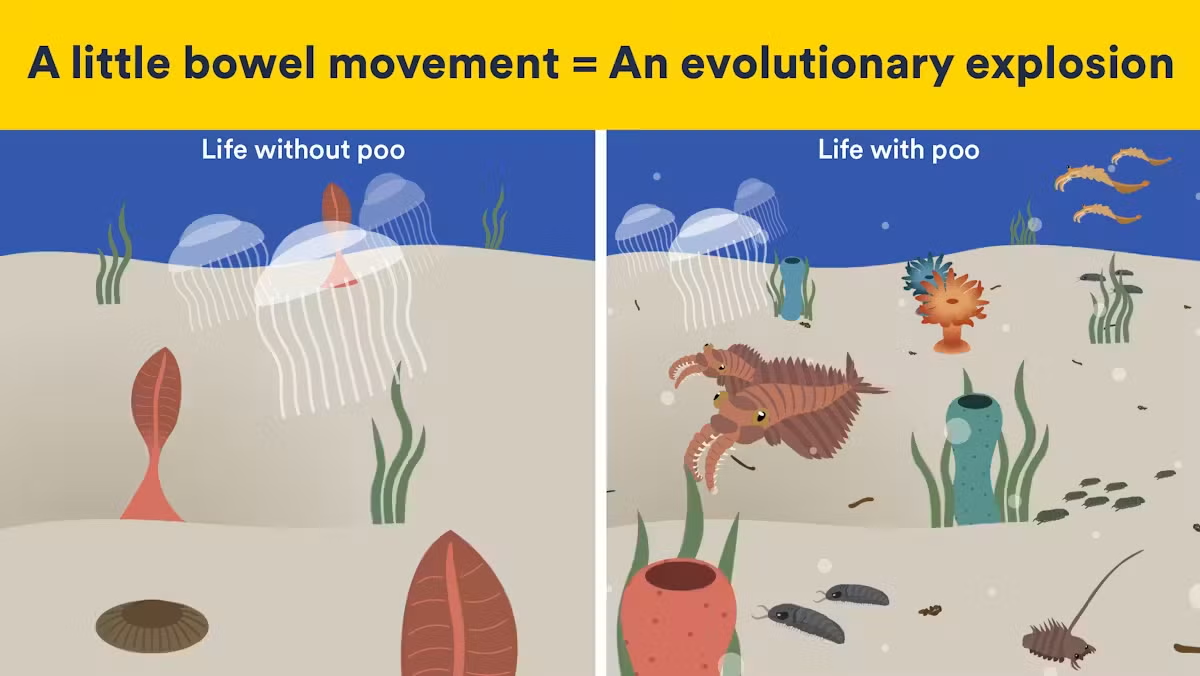
The emergence of widespread fecal production had an important ecological feedback. Greater animal diversity resulted in greater production of fecal matter, increasing the redistribution of organic carbon and nutrients through marine ecosystems.
In turn, improved nutrient availability likely supported larger populations, more complex food webs and the colonisation of increasingly diverse marine habitats. Those expanding ecosystems would then have generated even greater biological productivity.
Our observation here complements other hypotheses explaining the Cambrian explosion. Oxygenation, ecological interactions and evolutionary innovations undoubtedly played critical roles as well.