

A class of proteins in the immune system could play a role in keeping some people safe from cancer despite lifelong exposure to risks, scientists say.
Humans have billions of different proteins in the body known as antibodies that are randomly produced by the immune system to bind to molecules found on bacteria, viruses, fungi, toxins or allergens.
Antibodies help the body fight off infections, either by marking pathogens for destruction by immune cells or directly neutralising them.
Such auto-Abs have also been linked to infectious diseases and inflammatory conditions.

Now, scientists suspect developing ways to control auto-Abs in cancer can help patients reduce their disease severity.
"There is ample evidence that the immune system plays a significant role in cancer," said Laurent Casanova, a professor in the Children's Medical Centre Research Institute at UT Southwestern (CRI).
"Our job will be to determine if there are auto-Abs that could offer protection against cancer or drive cancer outcomes,” Dr Casanova said.
Scientists have so far discovered auto-Abs that bind to about a dozen of the 50 or so known immune system molecules called cytokines.
The discoveries have led to treatment methods called immunotherapies, including the now popular checkpoint inhibitor drugs and chimeric antigen receptor (CAR)-T cells.
In further studies, they hope to catalogue and study auto-Abs in a large and diverse group of volunteers.
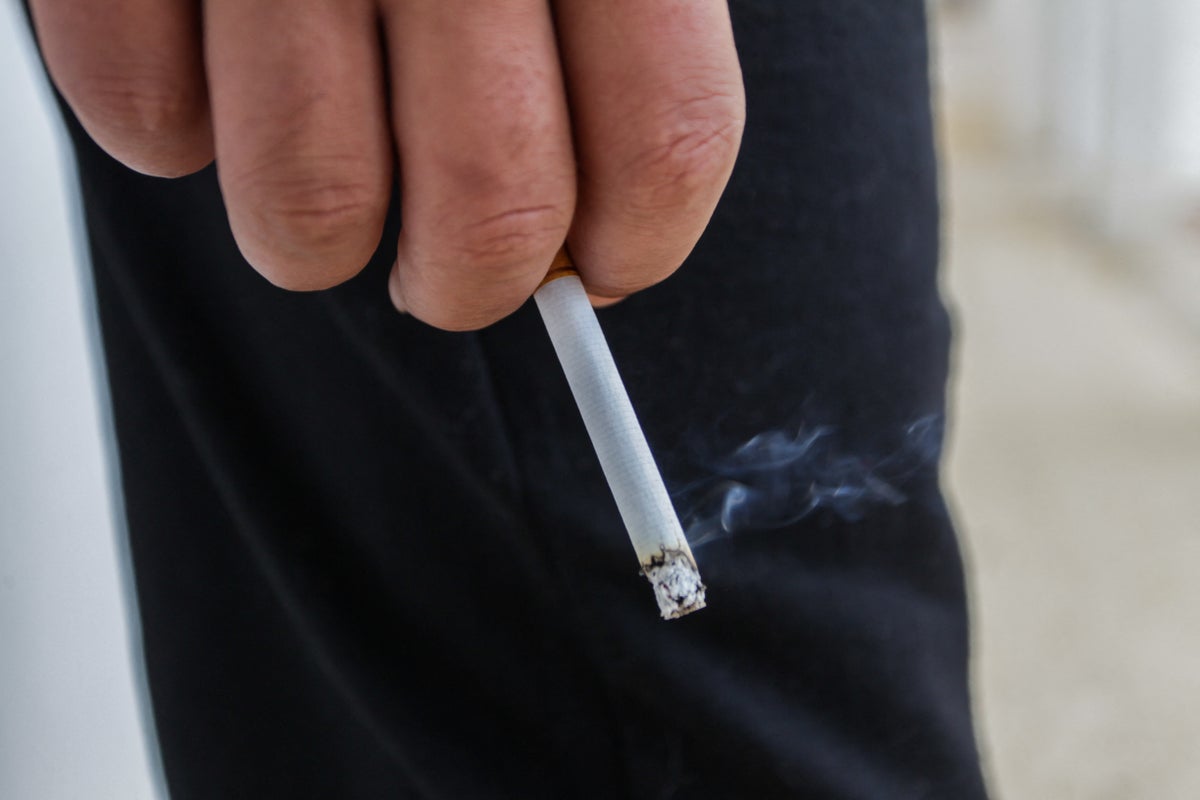
The participants will include those with genetic syndromes or behaviours known to promote cancer, such as heavy smokers and ageing individuals, including centenarians.
By studying auto-Abs in these people, scientists hope to develop new ways to help patients reduce their cancer risk or treat existing disease more effectively.
“Mapping antibody landscapes across cancer-free, at-risk, and cancer-affected individuals could clarify their roles in cancer susceptibility and disease outcome,” they wrote in the journal Cell.
Researchers have also uncovered over 80 genes, which, when mutated, impair the body's ability to fight off infections like influenza and Covid-19, mirroring inborn immunity errors.
They hope to study these mutations further to understand the risks they pose to the development of cancer.