

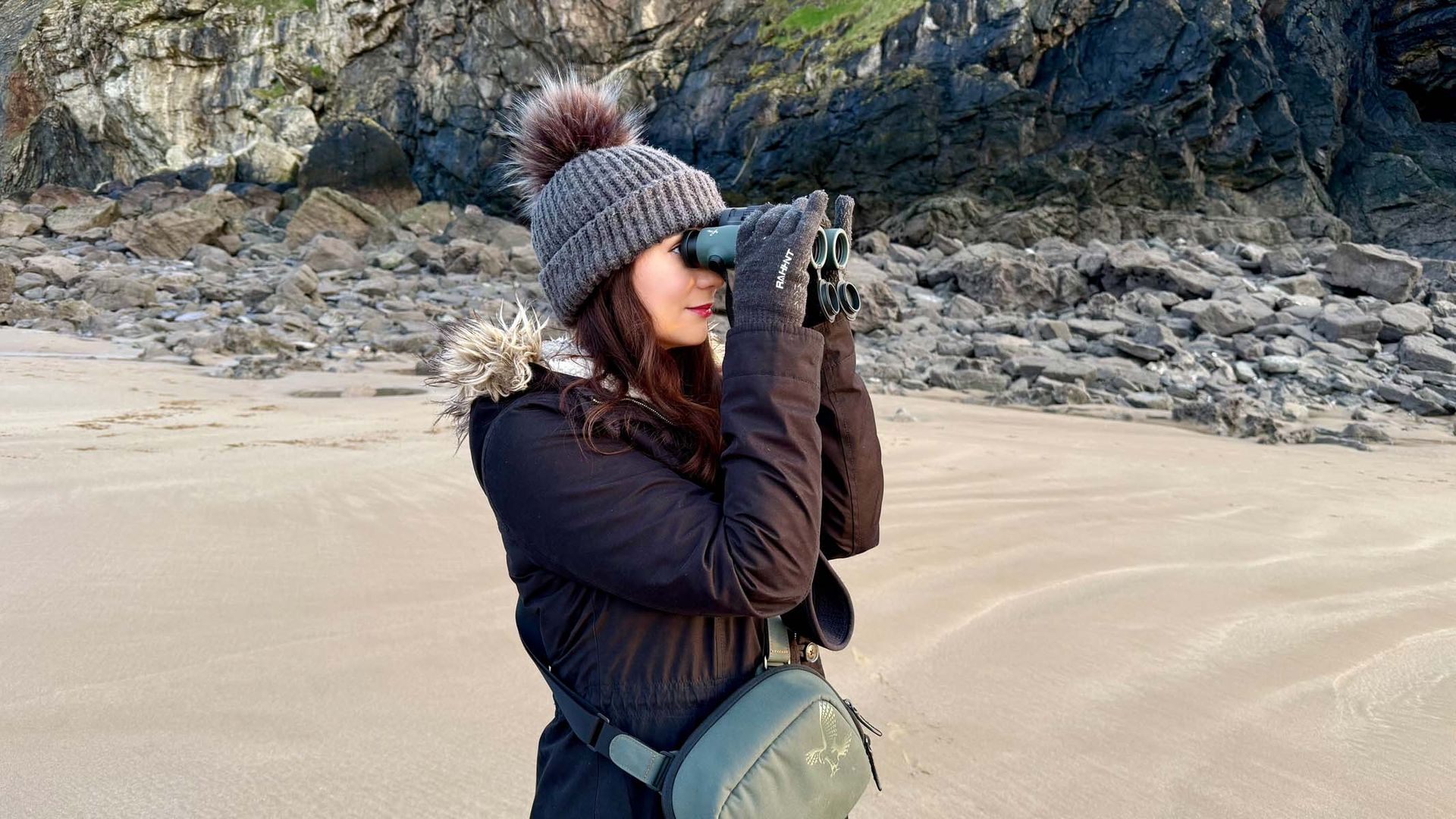
The problem when you're buying a new pair of binoculars is that you need different specs and characteristics for different purposes, and if you don't know exactly what you need, it's easy to buy a pair that's totally wrong for you. Birdwatching requires sharp, chromatic aberration-free optics, while astronomy needs large objective lenses and tripod compatibility — and a general purpose binocular should sit somewhere in the middle.
We've rounded up the best options for each usage case, based on our reviews and experience, to bring you the top models on the market.
Best for everything
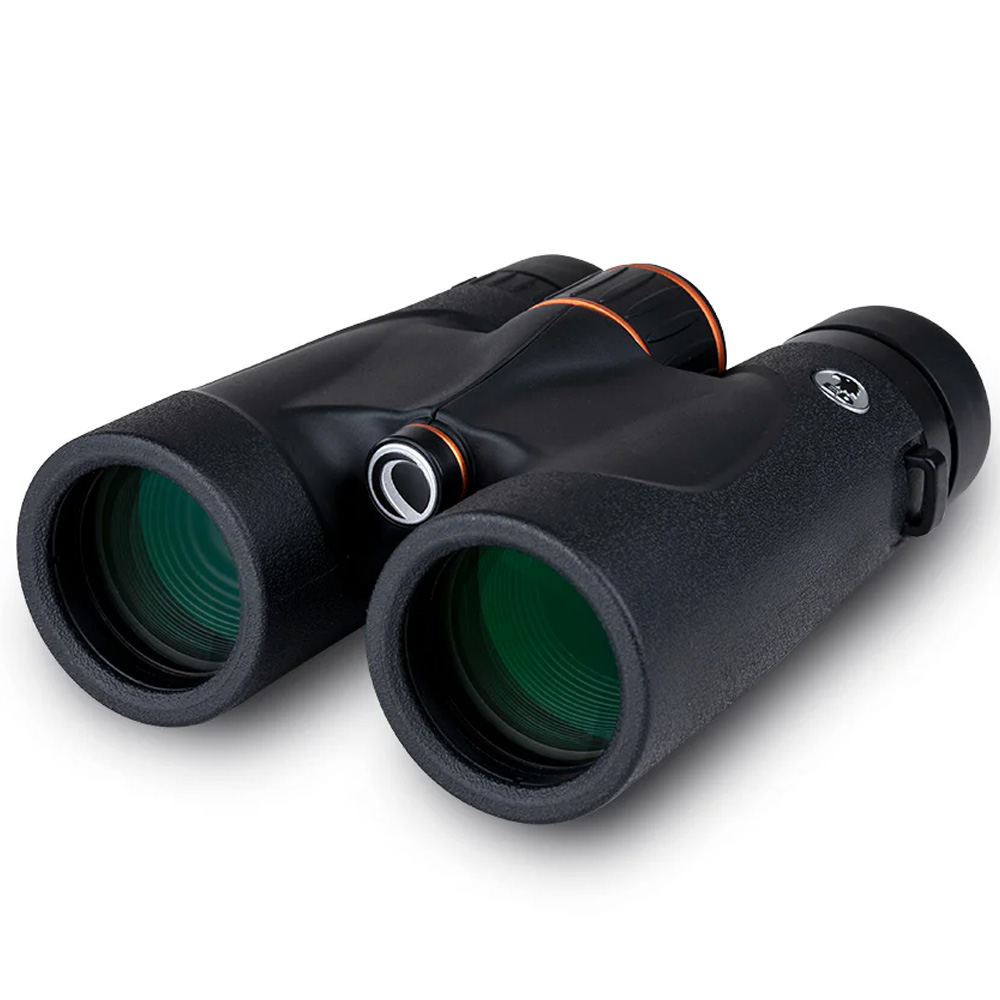 Excellent optics for the price
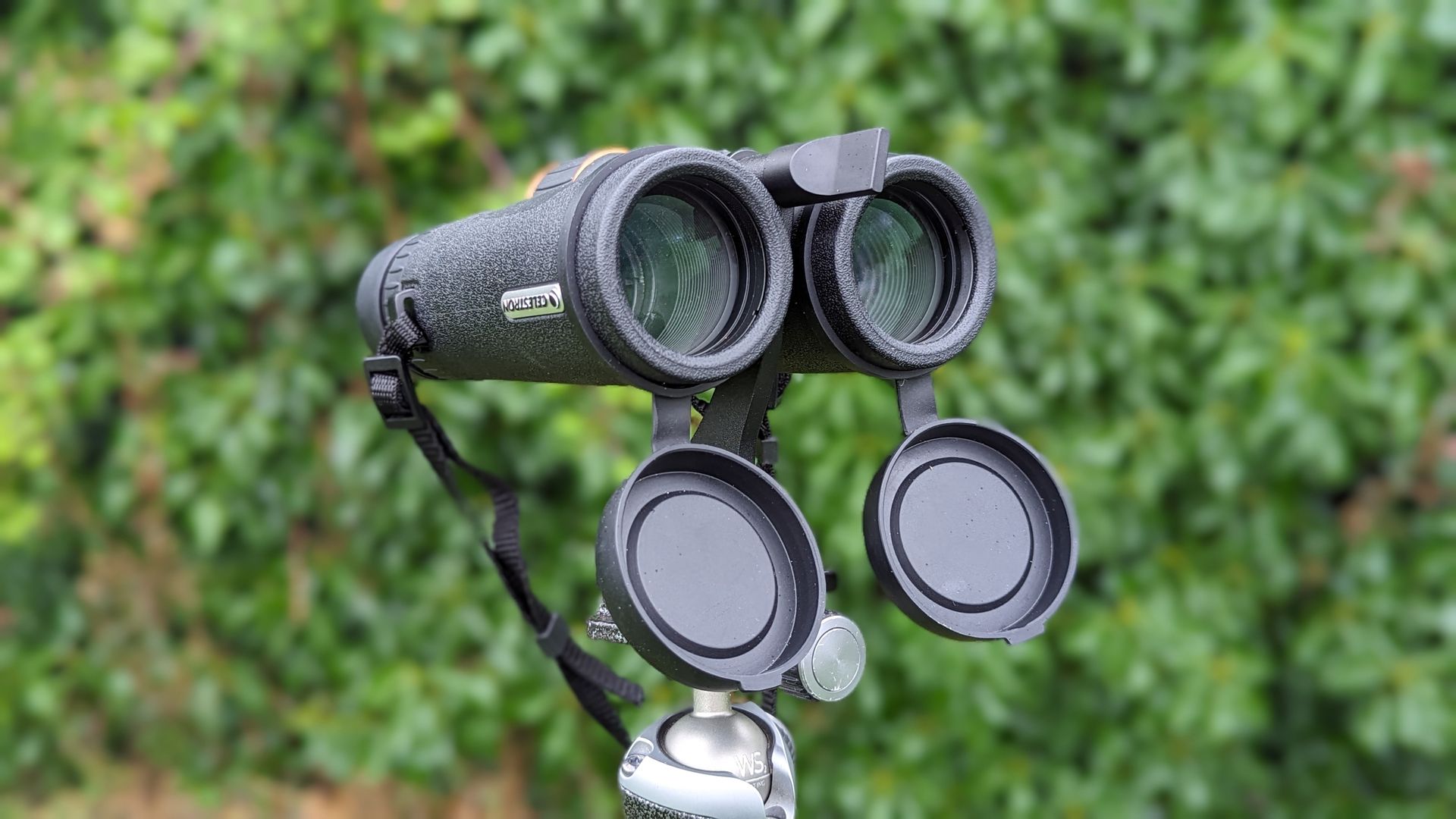
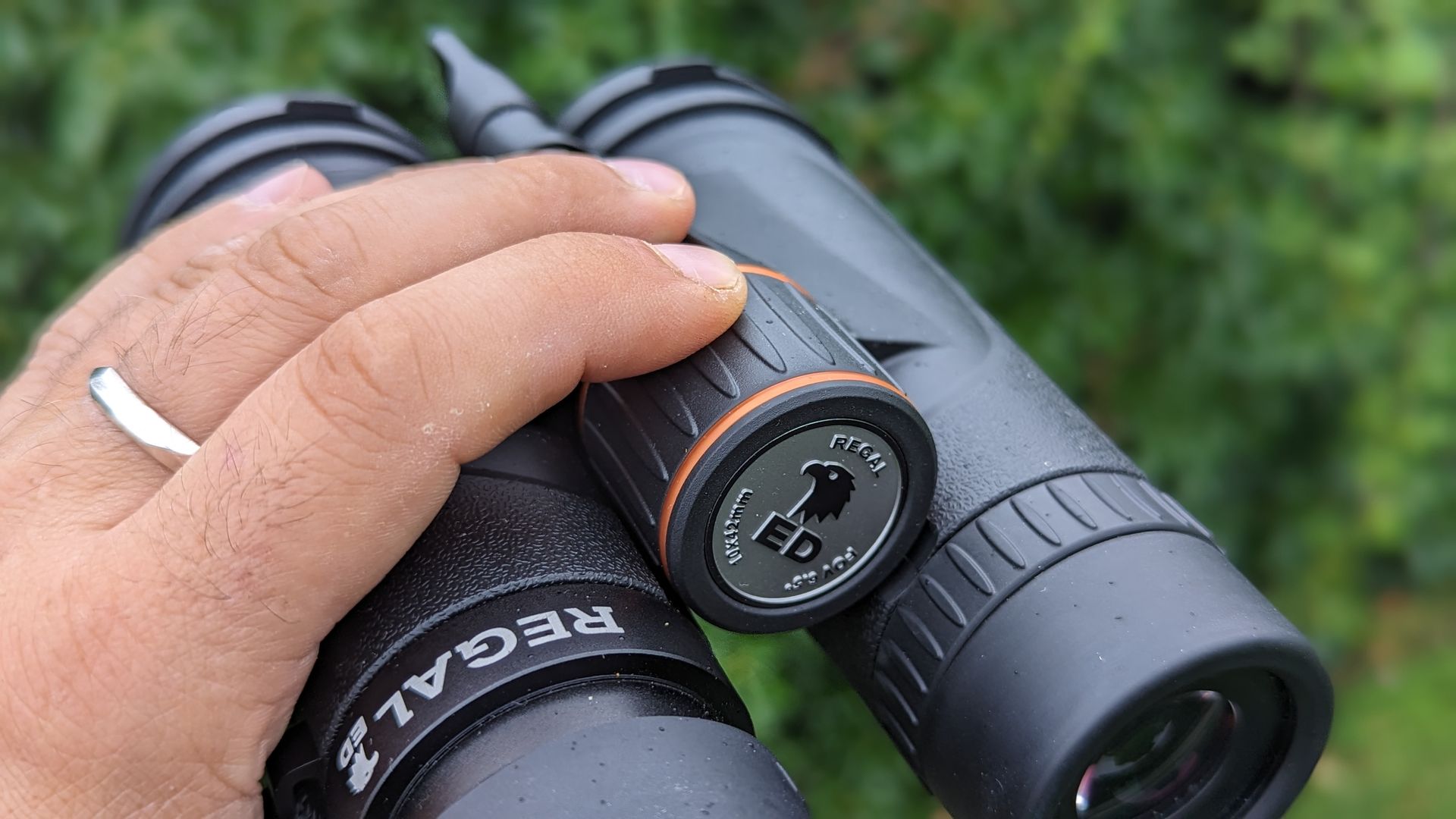
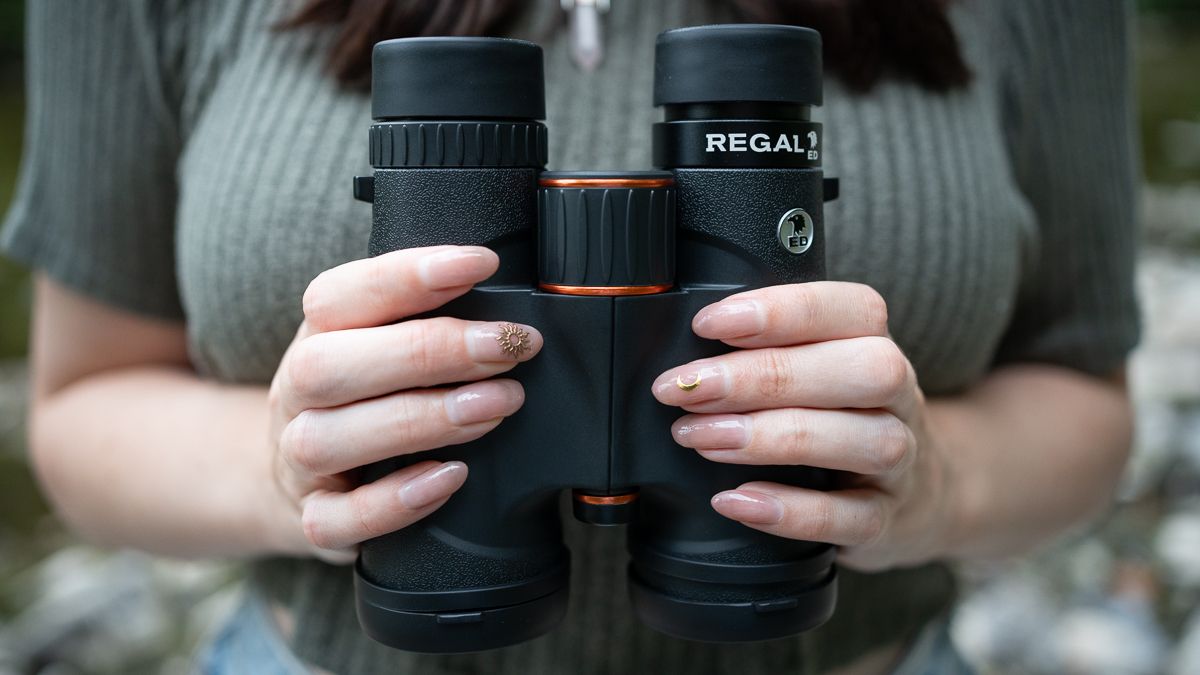
The Celestron Regal ED 10x42 are an ideal all-rounder for general purpose viewing, birdwatching and stargazing. They have excellent quality optics for the money with minimal optical defects, and perform better than some of the more expensive models we've tried.
Read our full Celestron Regal ED 10x42 review
Pros
- ED glass eliminates chromatic aberration — useful for everything from birdwatching to stargazing
- Comfortable to hold, with a good grip
- Waterproof and fogproof for use in any weather
- Field-flattening lenses eliminate curvature, giving sharp views all the way to the edges of the frame
- Views are bright, sharp and detailed
- Excellent image quality for the price
- 340 feet (113 m) FOV is good for a range of subjects
- Very generous 20mm eye relief
Cons
- Focus wheel is a little too free
- Carry bag doesn't fit the binocular and neckstrap
- 10x magnification could give slightly shaky views — if you're a birder, size down to the 8x42.
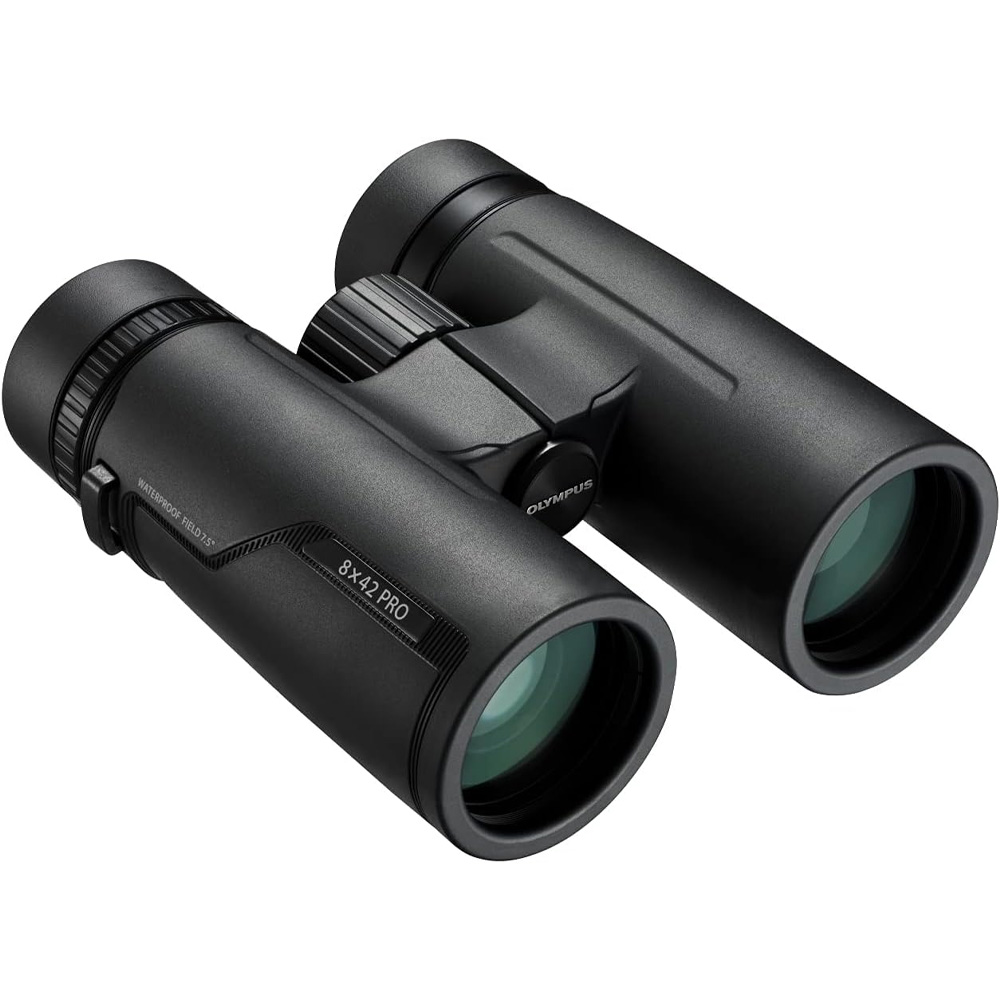 The low-light bins
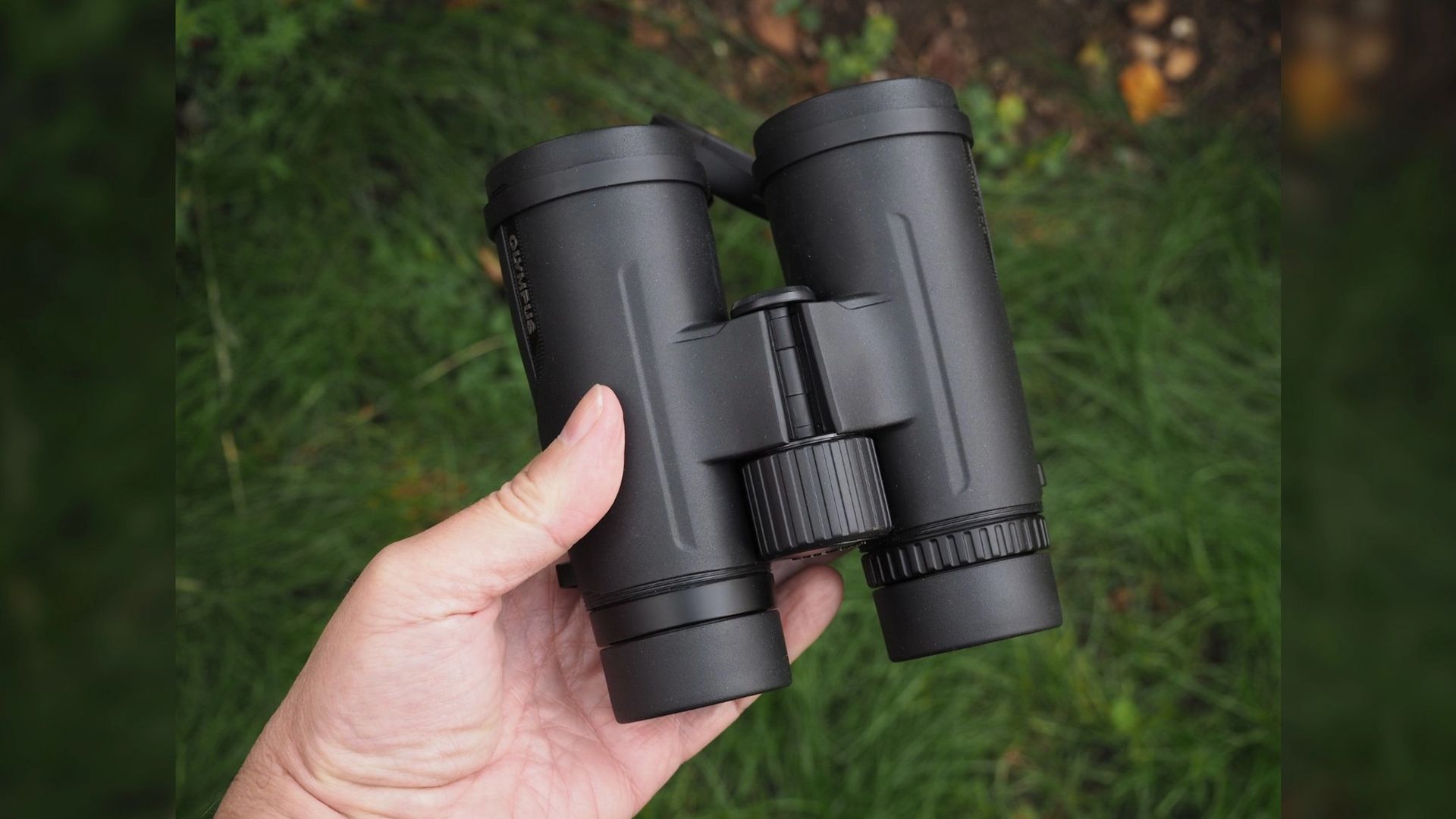
If you're looking for a pair of general purpose binoculars that also work well in the dark, the Olympus 8x42 Pro are one of the best we've tried. They have a ton of lens and prism coatings to increase light transmission and increase sharpness and contrast, plus the large exit pupil and 42mm objectives keep things clear and bright. The only letdown is that the ED glass doesn't fully eliminate color fringing, but that's only really noticeable around highly contrasted subjects.
Read our full Olympus 8x42 Pro review
- ED glass does a good job at reducing chromatic aberration
- A whole lineup of lens and prism coatings, including dielectric multilayer prism coating to increase light transmission, full multi-coated lenses to reduce flare and glare, phase-coated prisms to increase sharpness and contrast, and Olympus ZERO Coating (Zuiko Extra-Low Reflection Optical) to minimize internal reflections
- Nitrogen-filled body to prevent fogging, with waterproof construction
- Oil-repellent coating for easy removal of water droplets and dirt
- Generous 18mm eye relief
- 430 feet (131 m) FOV is great for bird-watching
- Large 5.25mm exit pupil and 42mm objective lenses produces bright and clear image in low light
- No provided screw thread for tripod mounting
- Slight amount of color fringing around backlit subjects against a bright sky
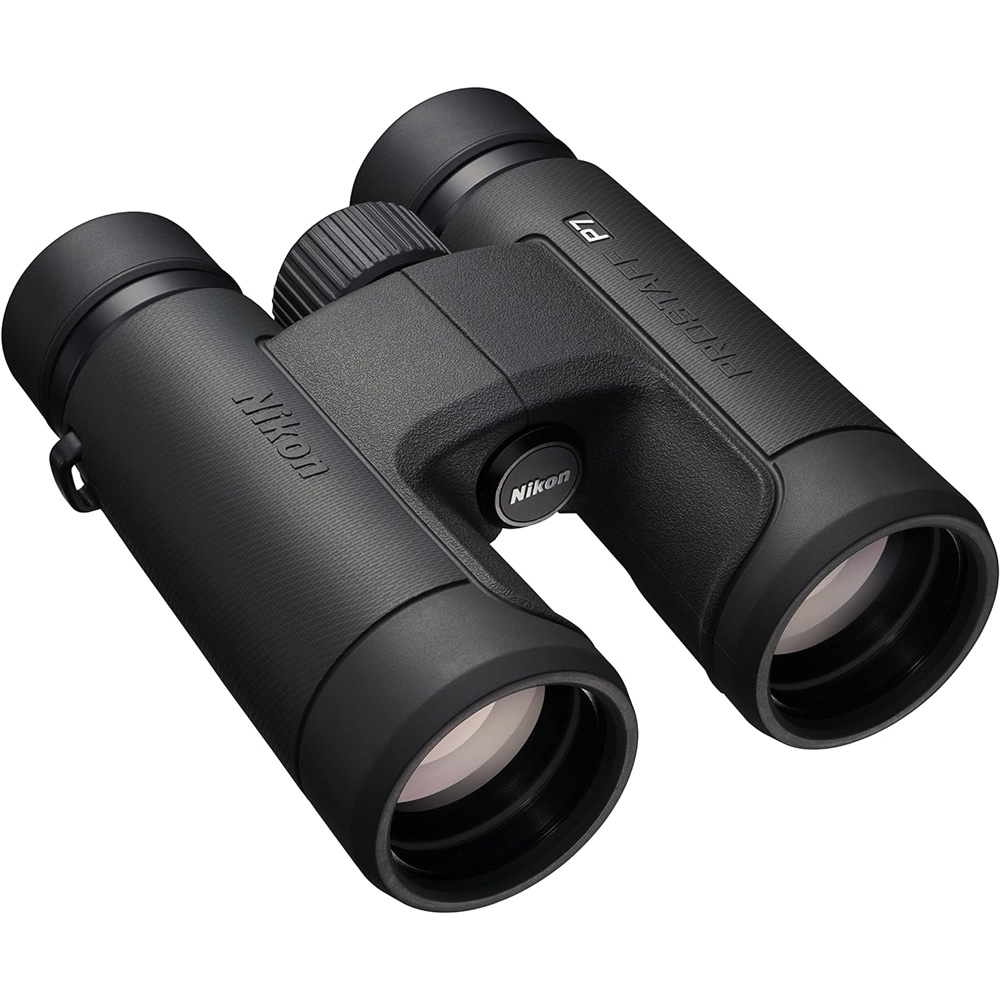 If you're on a budget
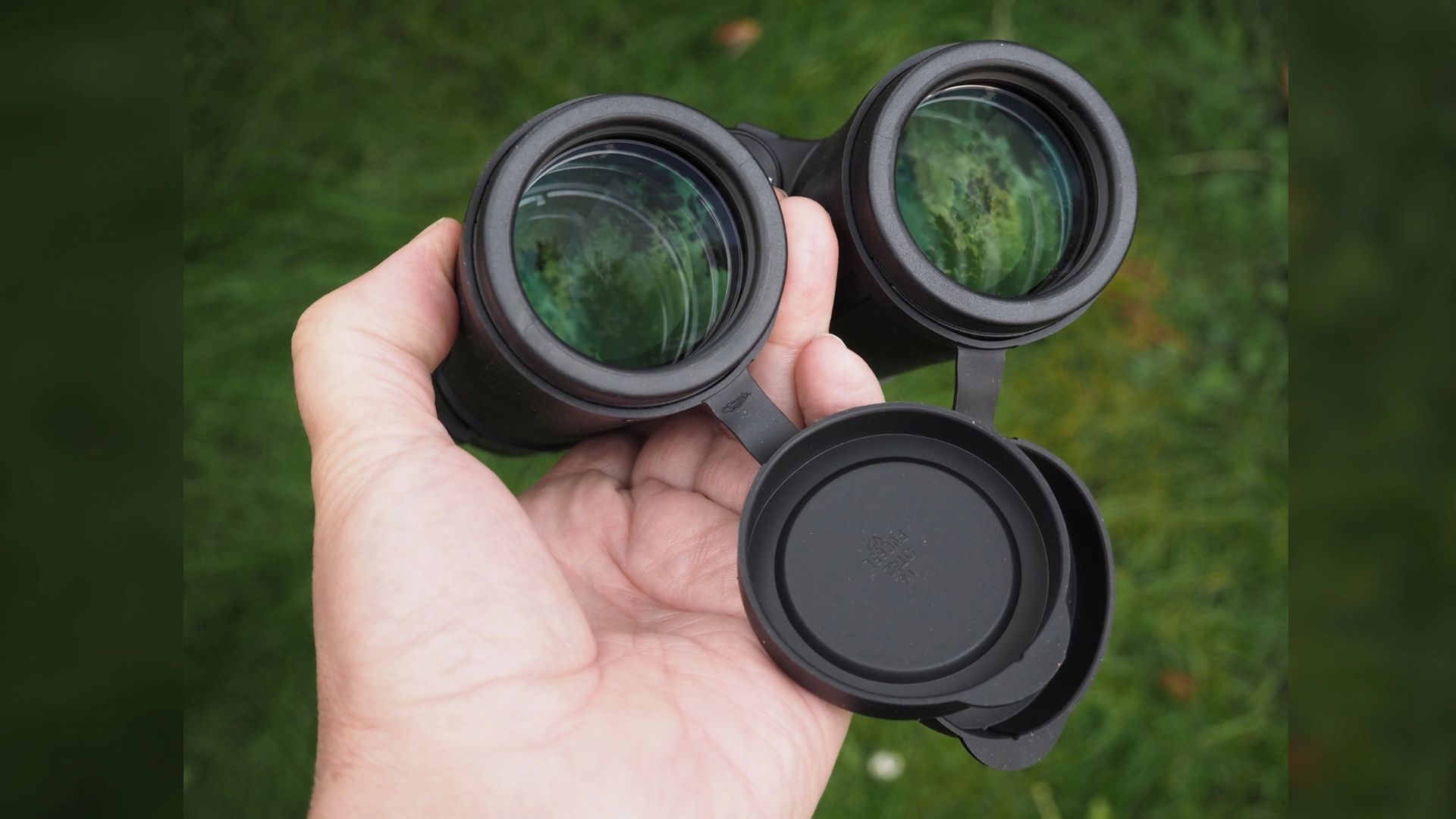
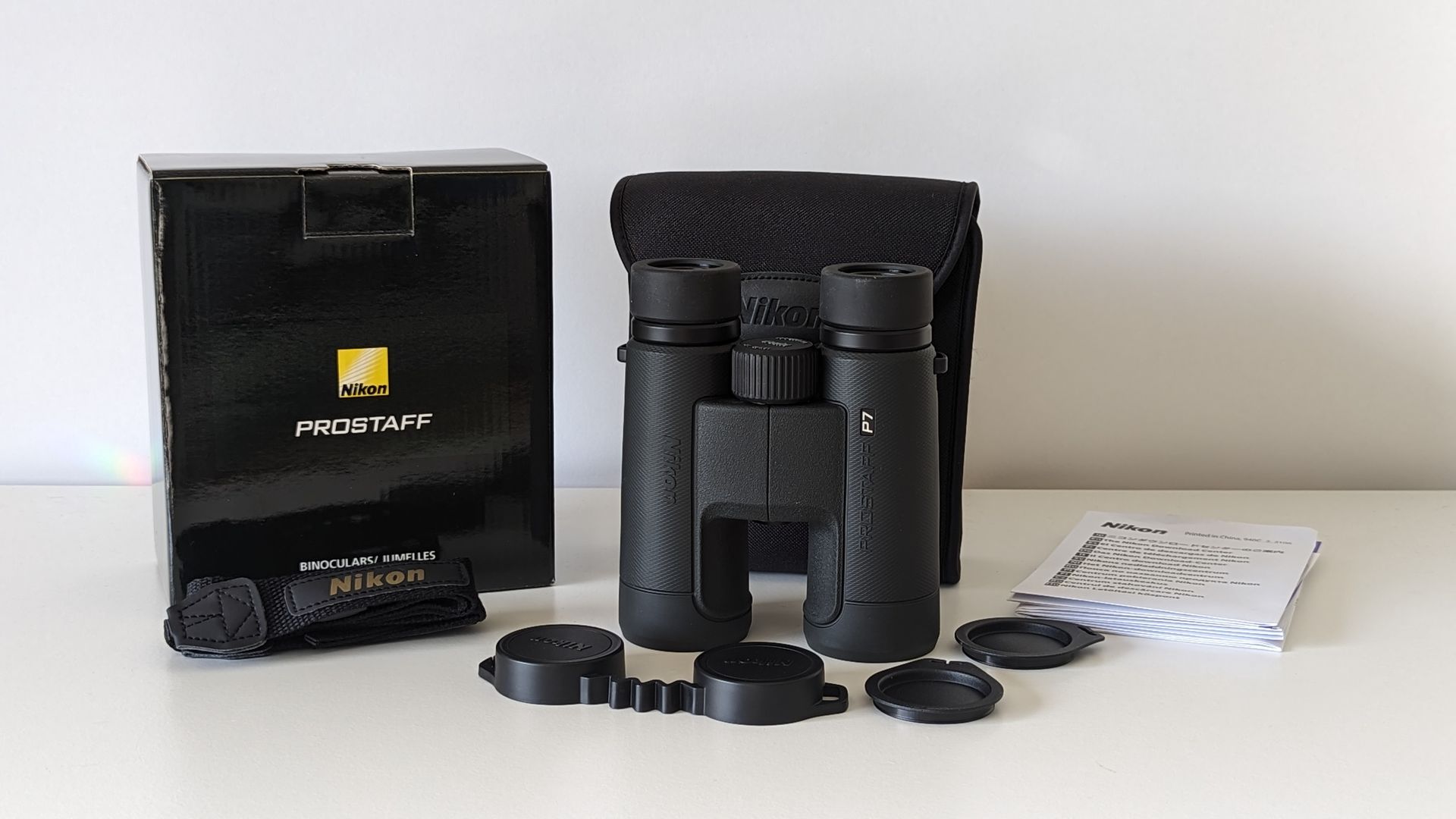
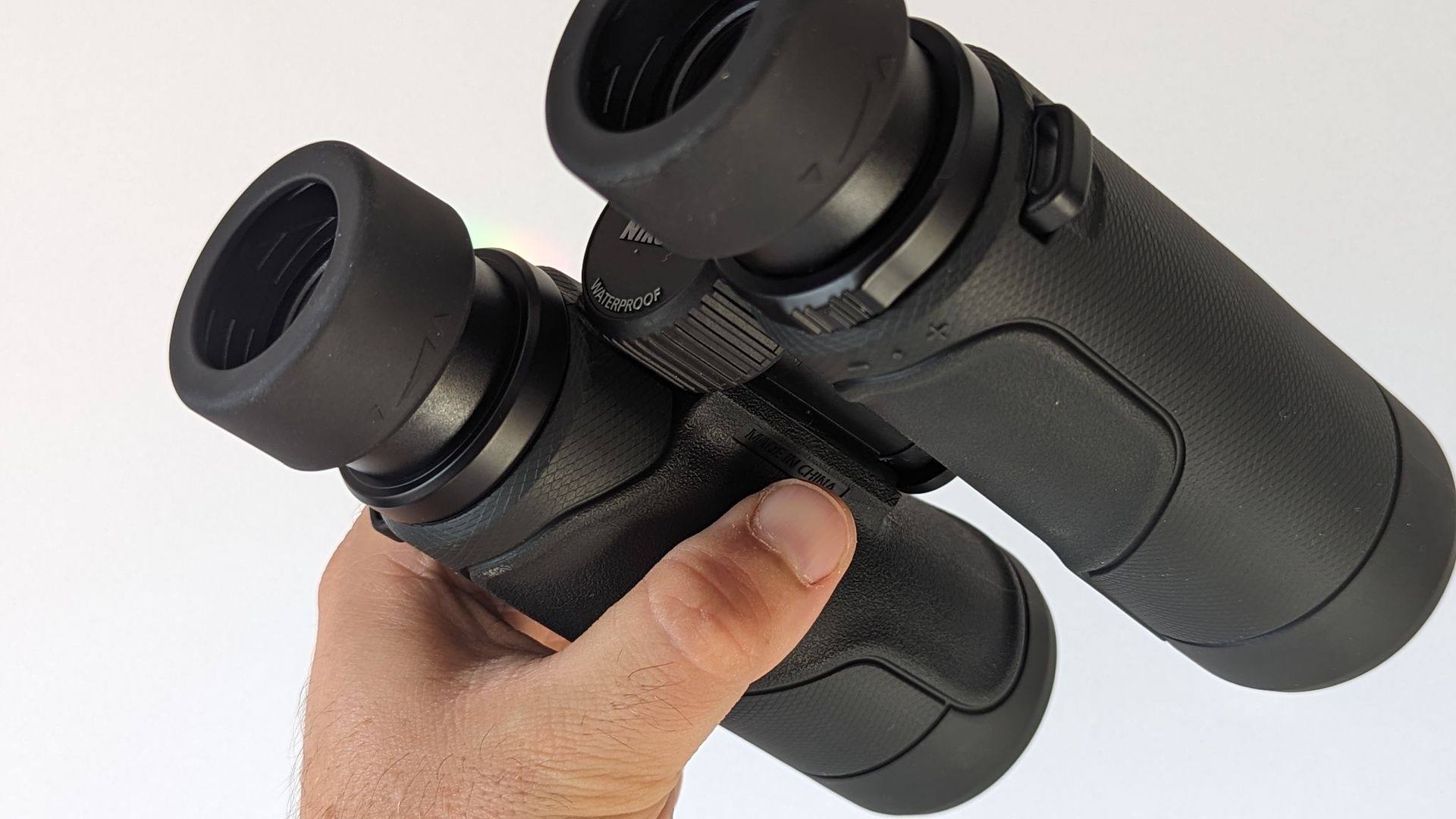
An excellent budget option that still boasts impressive optical performance, the Nikon Prostaff P7 10x42 are durable, portable and offer high-quality views despite lacking ED glass. They're ideal if you're on a budget but you don't want to buy cheap tat.
Read our Nikon Prostaff P7 10x42 review
Read our Nikon Prostaff P7 8x42 review
- Durable build and finish
- Excellent optical performance, especially for the price
- 367 feet (111 m) FOV gives a nice, wide view
- Locking diopter adjustment wheel prevents accidental defocusing during use
- Slim and lightweight build
- Dielectric and phase-coated prisms to increase light transmission and improve sharpness and contrast
- Waterproof down to 1m and nitrogen purged to prevent fogging
- 4.2mm exit pupil is a little small
- Carry case could be plusher
- 15.7mm eye relief is fine if you wear glasses, but not the most generous option we've seen
- No ED glass
Best for birdwatching
 The premium option
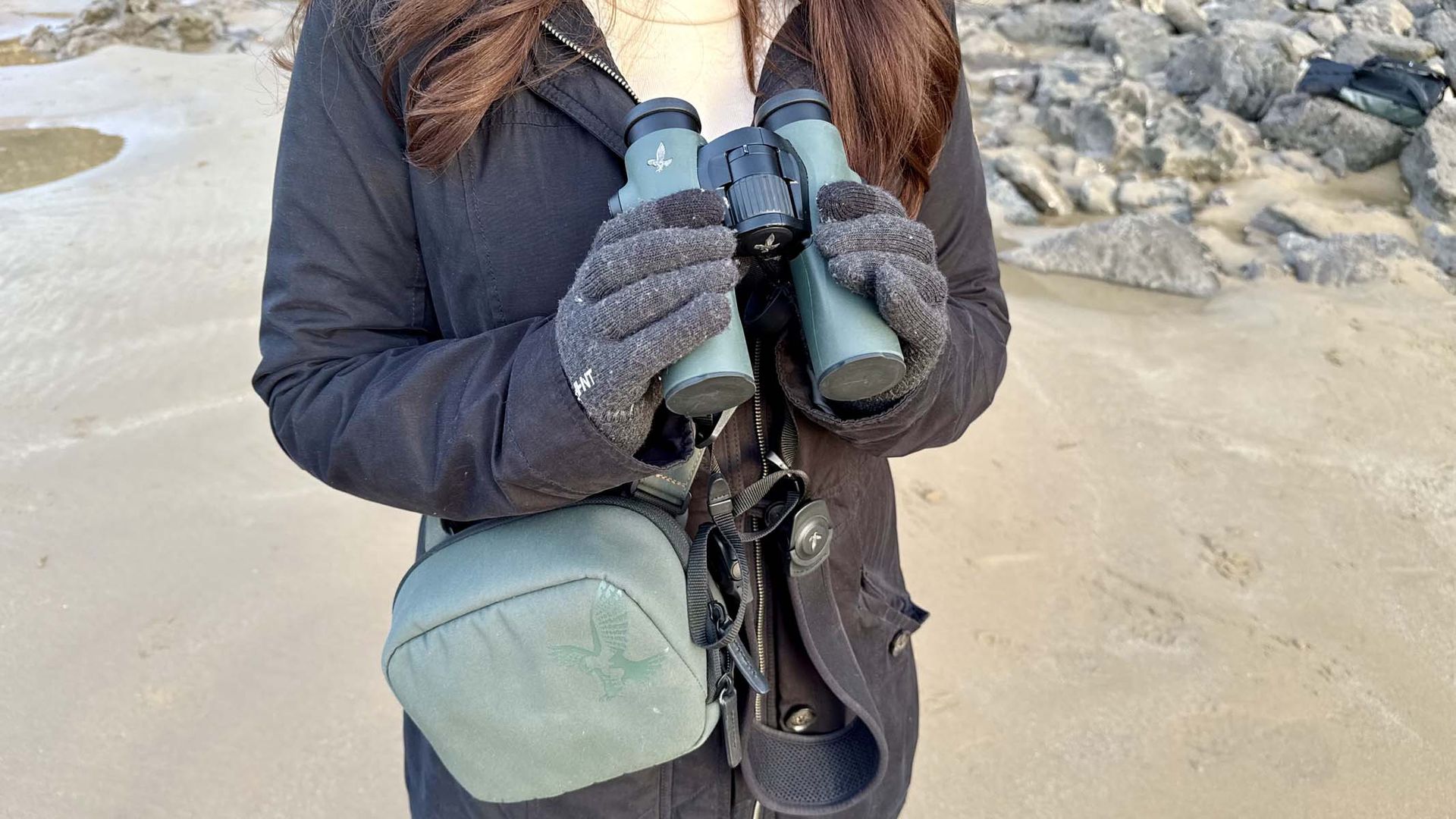
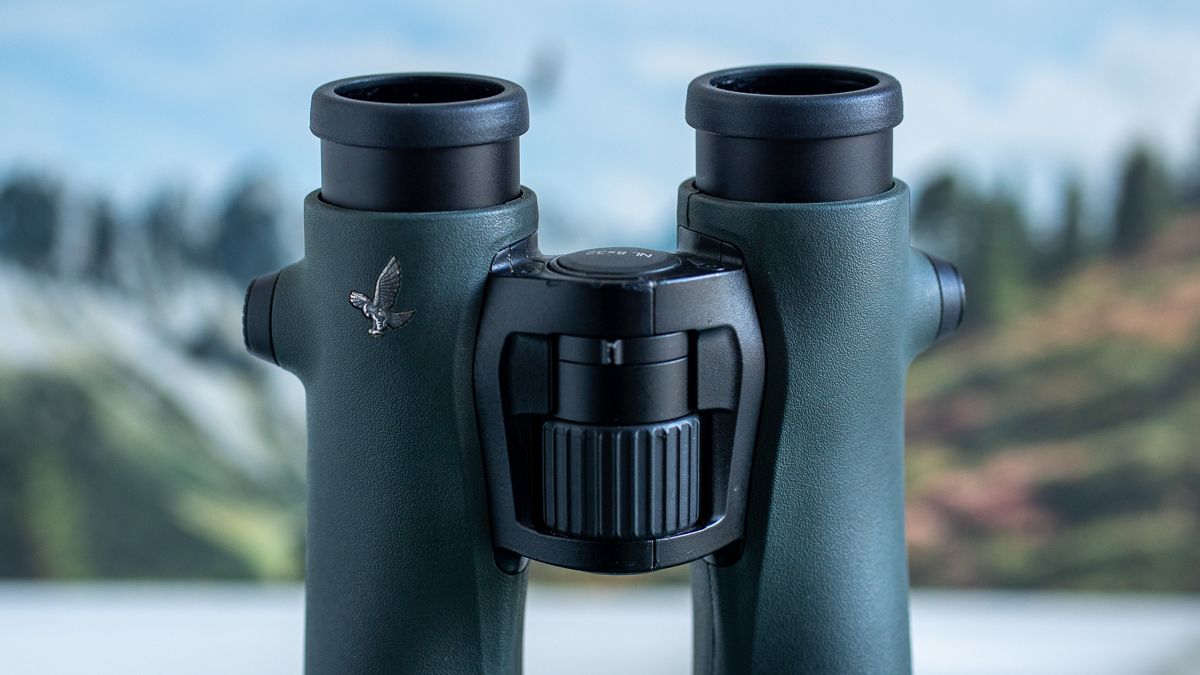
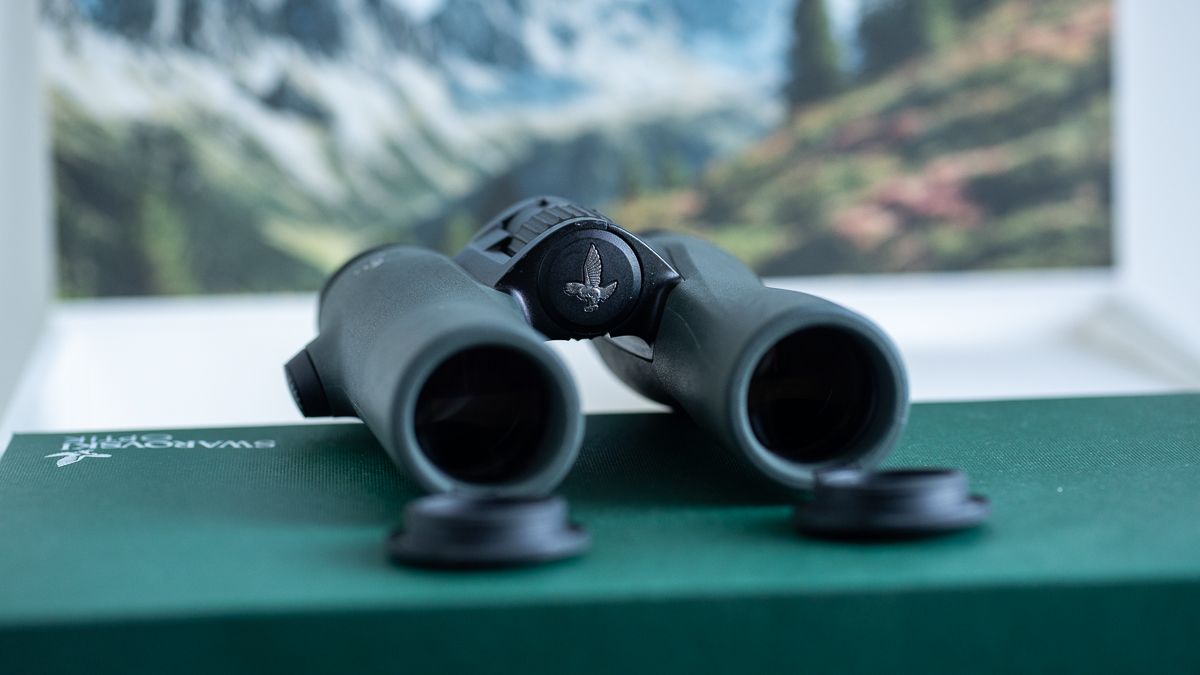
This is quite possibly the best pair of birding binoculars we've ever used, but it comes at a steep cost. The Swarovski NL Pure 8x42 (the "NL" standing for "Nature Lovers") are sharp and bright with zero imperfections or defects — they're practically perfect. They're a big investment, admittedly — but you'll never need to buy another pair of binoculars again.
Read our review of the 8x32 variant
- Fantastic image quality
- Compact design with wasp waist that makes them comfortable to hold for long periods
- Generous 18mm eye relief
- Very wide 521 feet (159 m) FOV is ideal for tracking birds in flight and finding animals in woodland scenes
- Large 5.3mm exit pupil provides excellent low-light performance
- Waterproof and nitrogen purged to prevent fogging
- Features field-flattening technology (which they call "Swarovision") to offset curvature and provide sharpness towards the edges of the frame
- Expensive
- Diopter is a little stiff, and awkwardly placed
 The pair "most people" should get
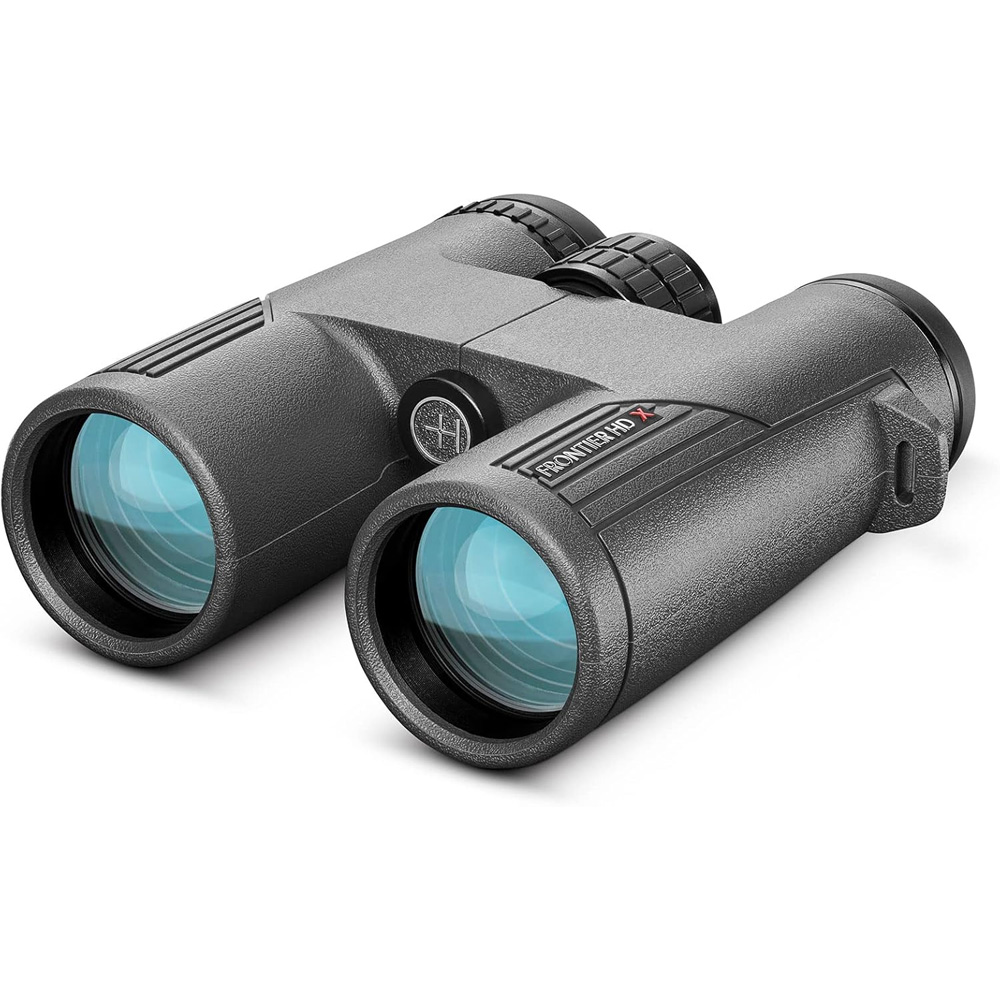
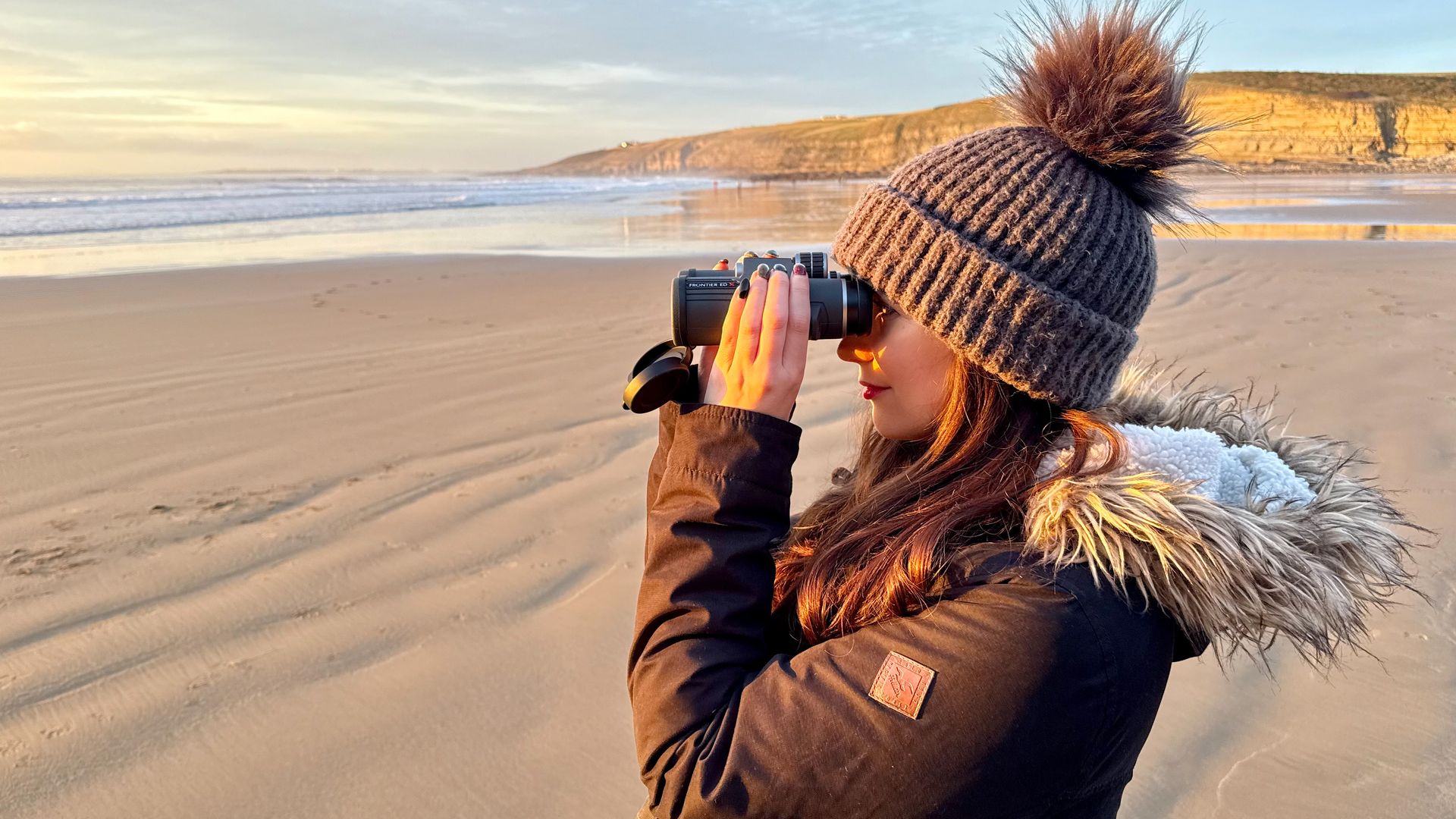
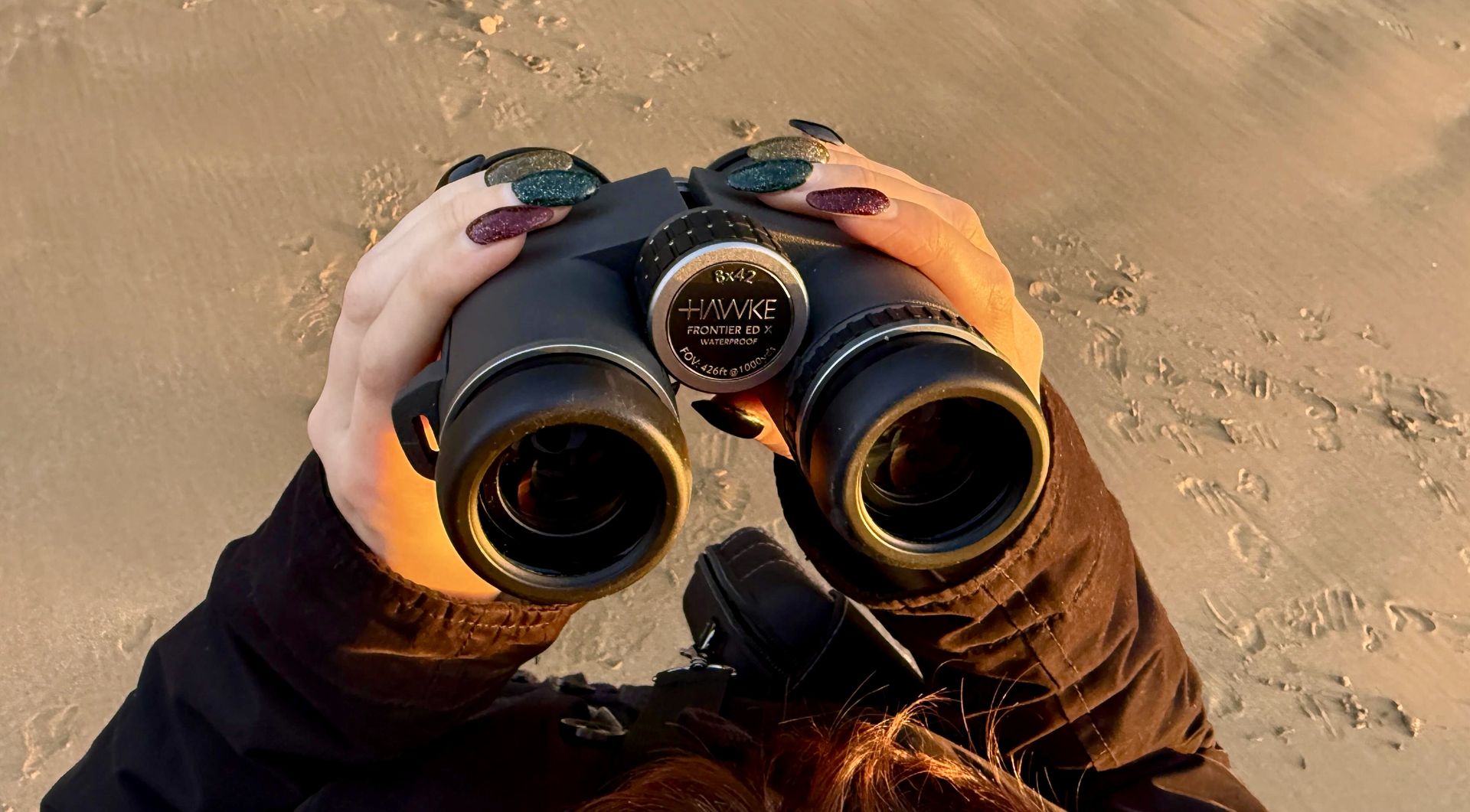
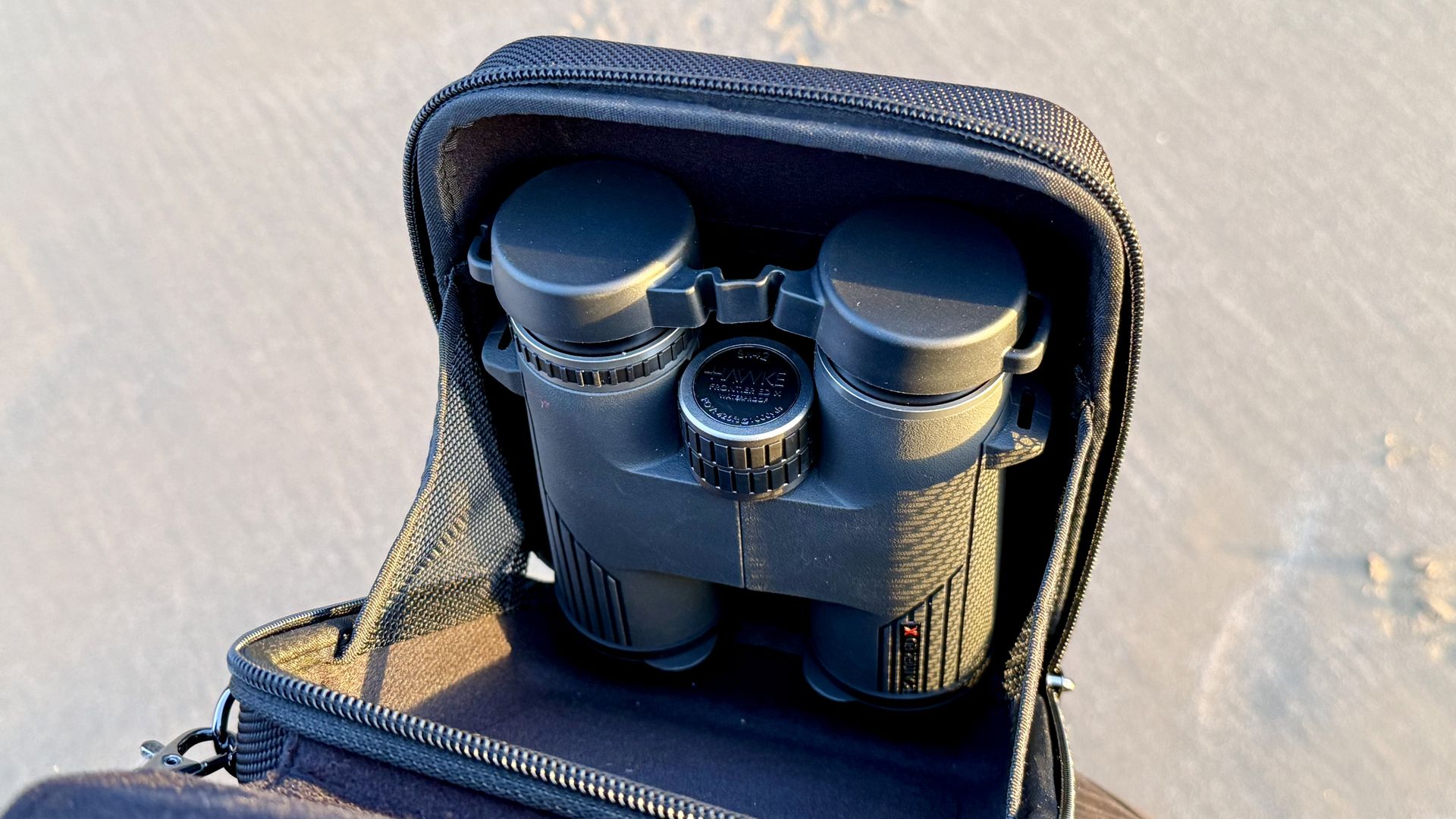
If you're looking for an excellent pair of birding binoculars and haven't quite reached the realms of "full-time professional twitcher often found hiding in the bushes with a $4,000 pair of binoculars," the Hawke Frontier ED X 8x42 are an exceptional choice.
Read our full Hawke Frontier ED X 8x42 review
- Excellent build quality
- Fantastic optics, especially for the price
- ED glass eliminates color fringing around contrasted subjects
- Dielectric prism coatings enhance light transmission — ideal for dawn/dusk and woodland areas
- Premium accessories that make them easy to carry and access swiftly and safely
- Generous 18mm eye relief
- Large 5.3mm exit pupil
- 426 feet (129.8 m) FOV is great for wide-field viewing
- Waterproof and fogproof
- Not the most lightweight 8x42
- Some softness around the edges
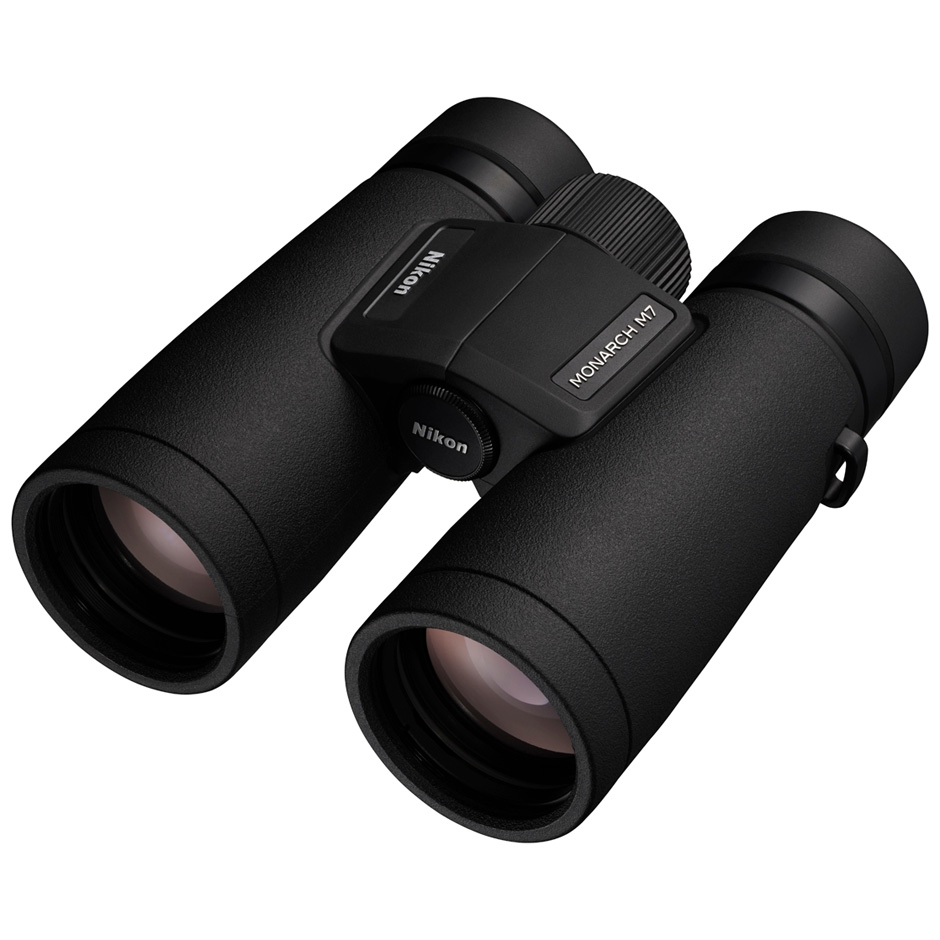 Mid-tier Nikon option
With Nikon producing such high-quality camera lenses, it makes sense that the company's binoculars follow suit. The Monarch M7 line is a premium mid-tier option with a wide field of view for birding, and is specifically constructed to handle the outdoors.
Read the full review at our sister site, Digital Camera World
- 435 feet (132 m) FOV is great for following birds
- Large 5.3mm exit pupil keeps things bright and comfortable to look through
- ED glass eliminates chromatic aberration
- Waterproof and nitrogen-filled to prevent fogging
- Dielectric and phase-coated prisms for bright colors and high-resolution views
- Locking diopter prevents accidental defocusing
- Compact and lightweight enough to carry in a coat pocket
- Focus wheel is on the stiff side
- The very edges of the frame are a little soft
Best for stargazing
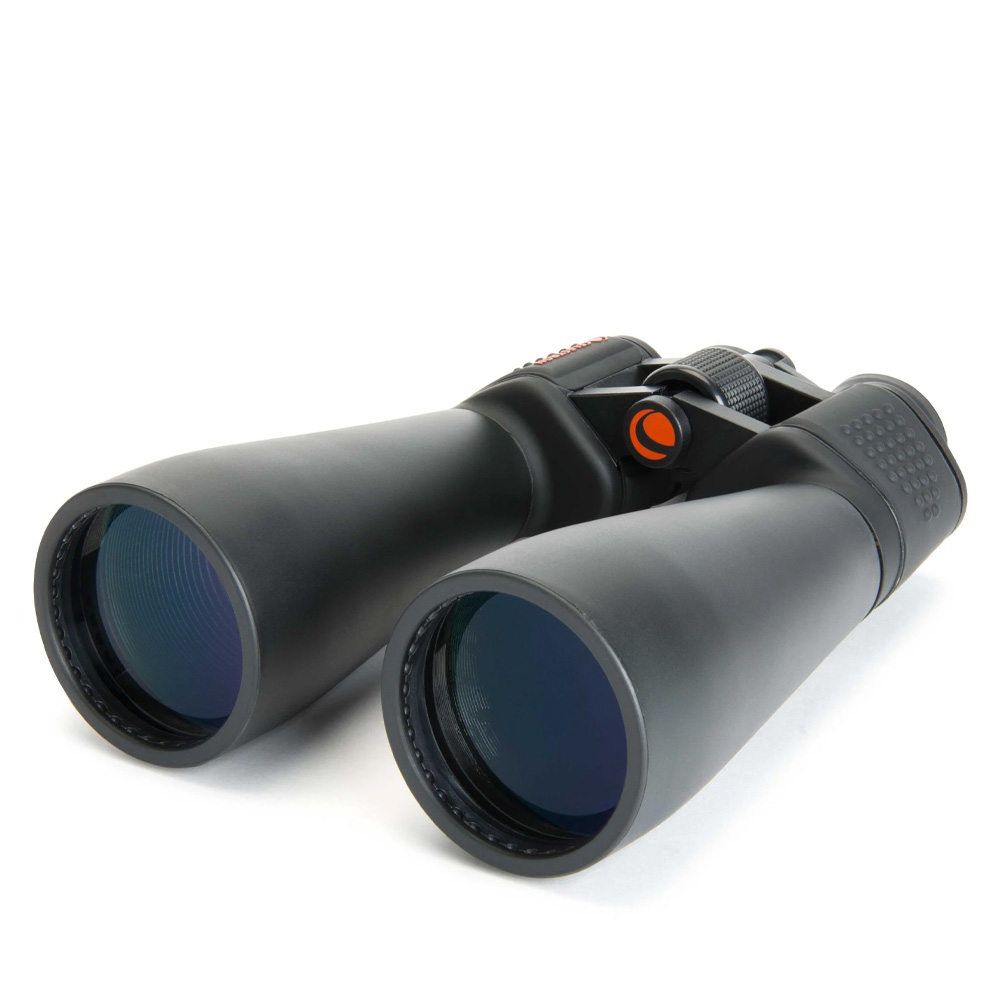 Excellent budget binos
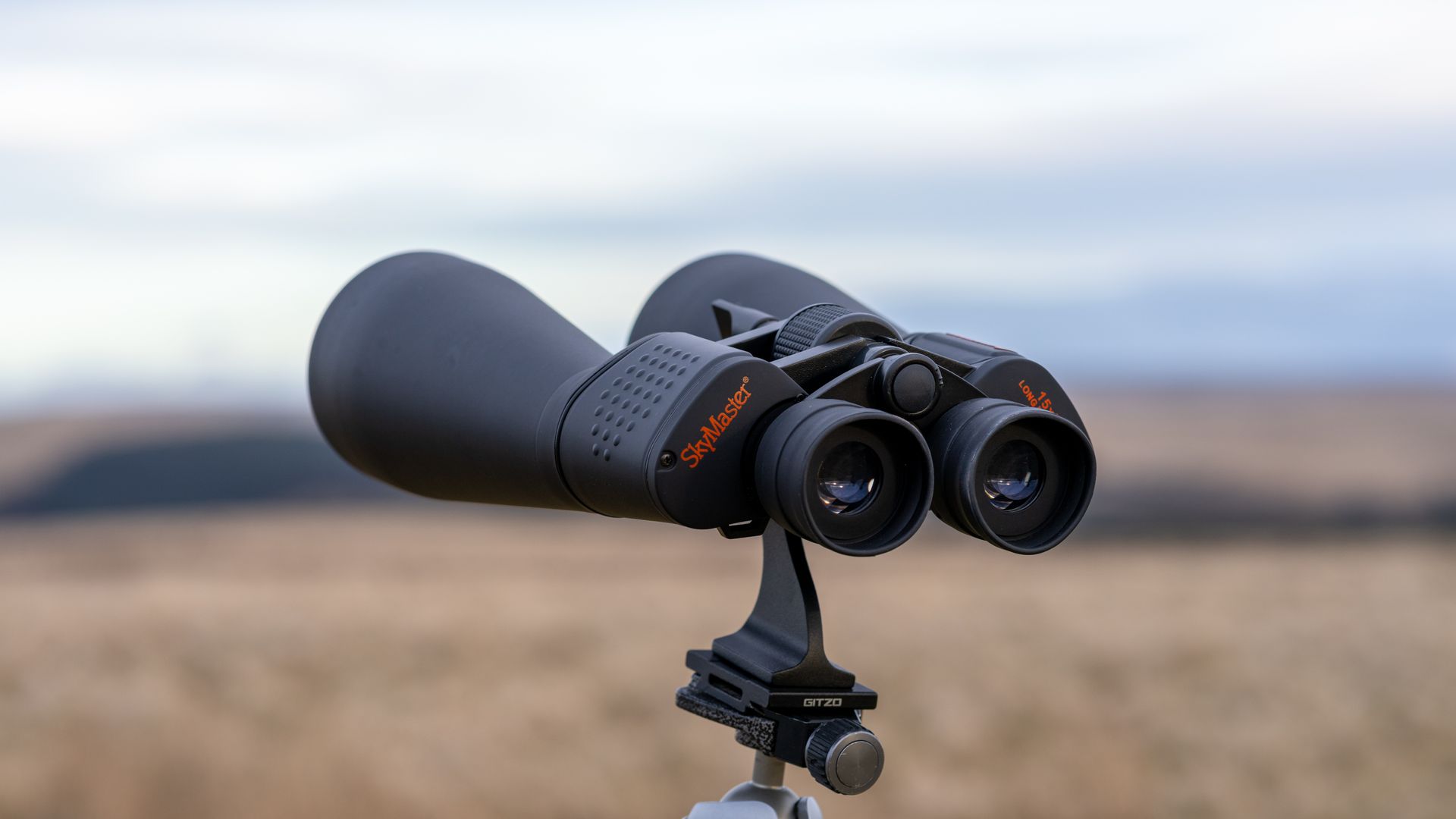
If you want something in-between handheld binoculars and a telescope, these large astronomy binoculars will do the job perfectly. They're an affordable entry point into stargazing that will give you great views of the moon, Jupiter's moons and bright deep-sky objects.
Read our full Celestron SkyMaster 15x70 review
- Affordable for beginners
- Bright, sharp views
- Can view a variety of celestial objects, from the moon to Jupiter's rings and brighter deep-space objects
- Tripod adapter included
- Comes with a carry bag and strap
- Generous 18mm eye relief
- 4.7mm exit pupil works well for astronomy
- Noticeable chromatic aberration due to lack of ED glass, but it's not too distracting for new observers
- Big and heavy — requires a tripod
- Stiff focus wheel
- Can't see Saturn's rings
- Lens caps aren't tethered, so they could be easily lost
- Not fogproof
 For serious deep-sky stargazing
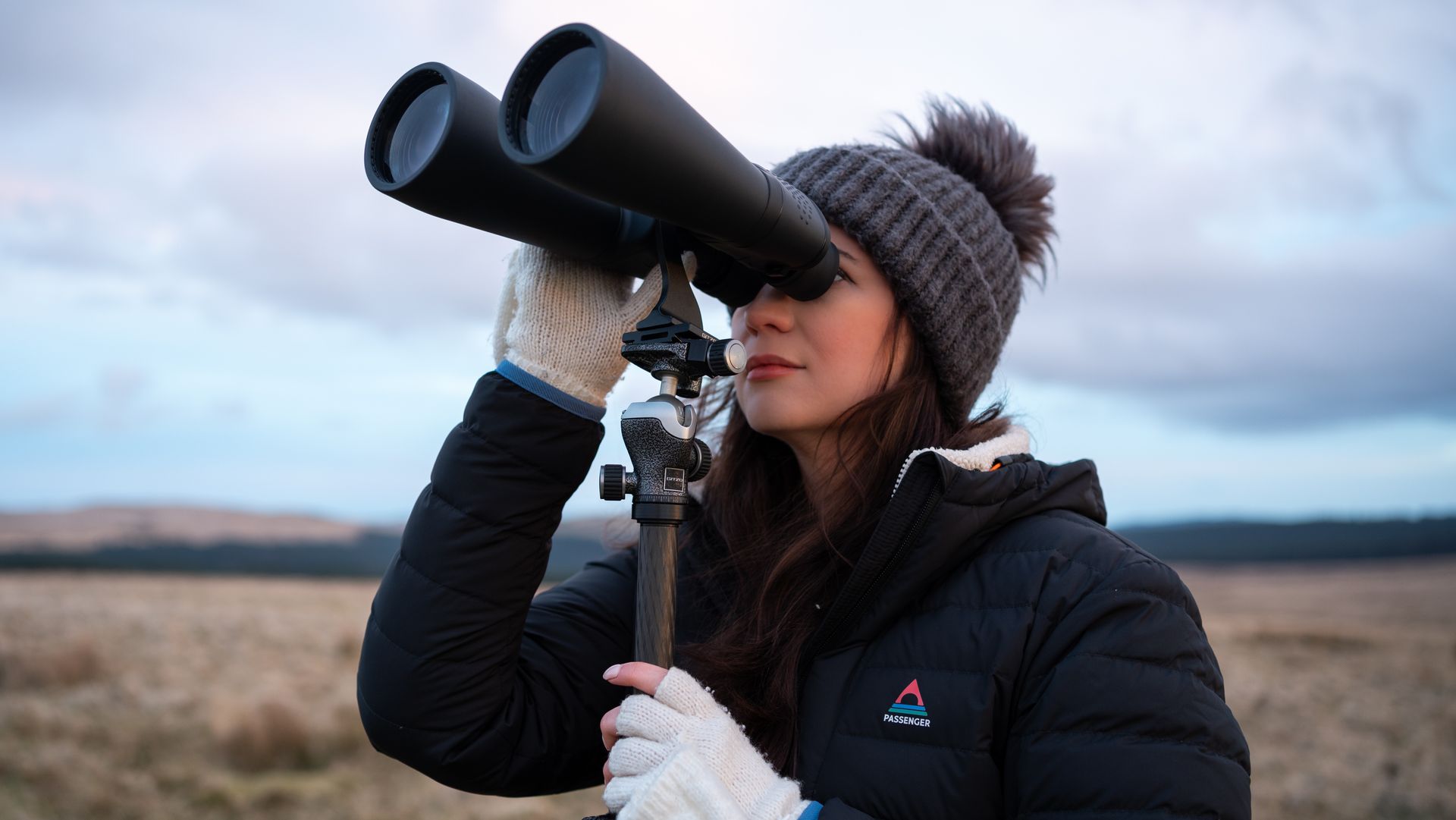
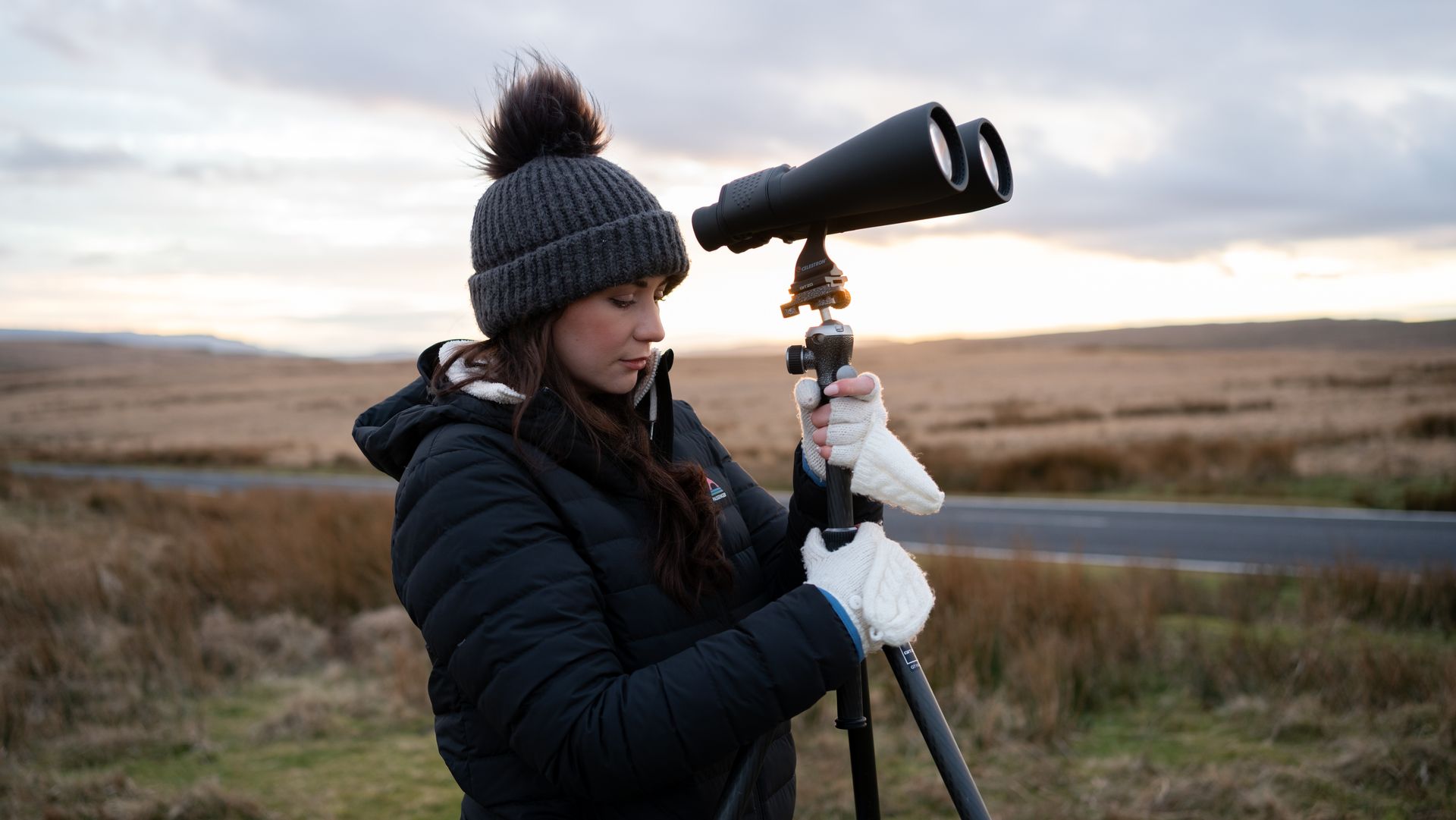
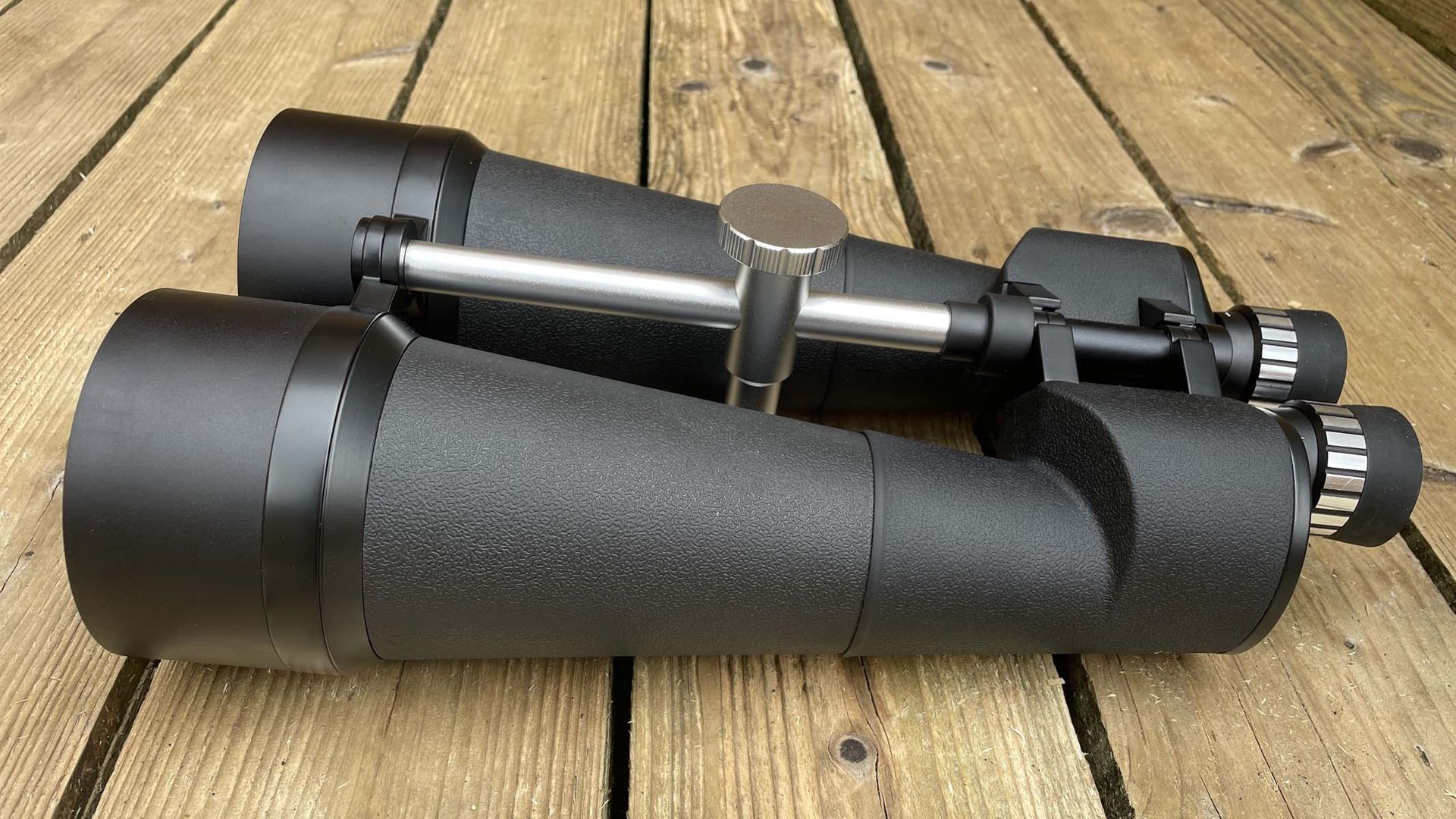
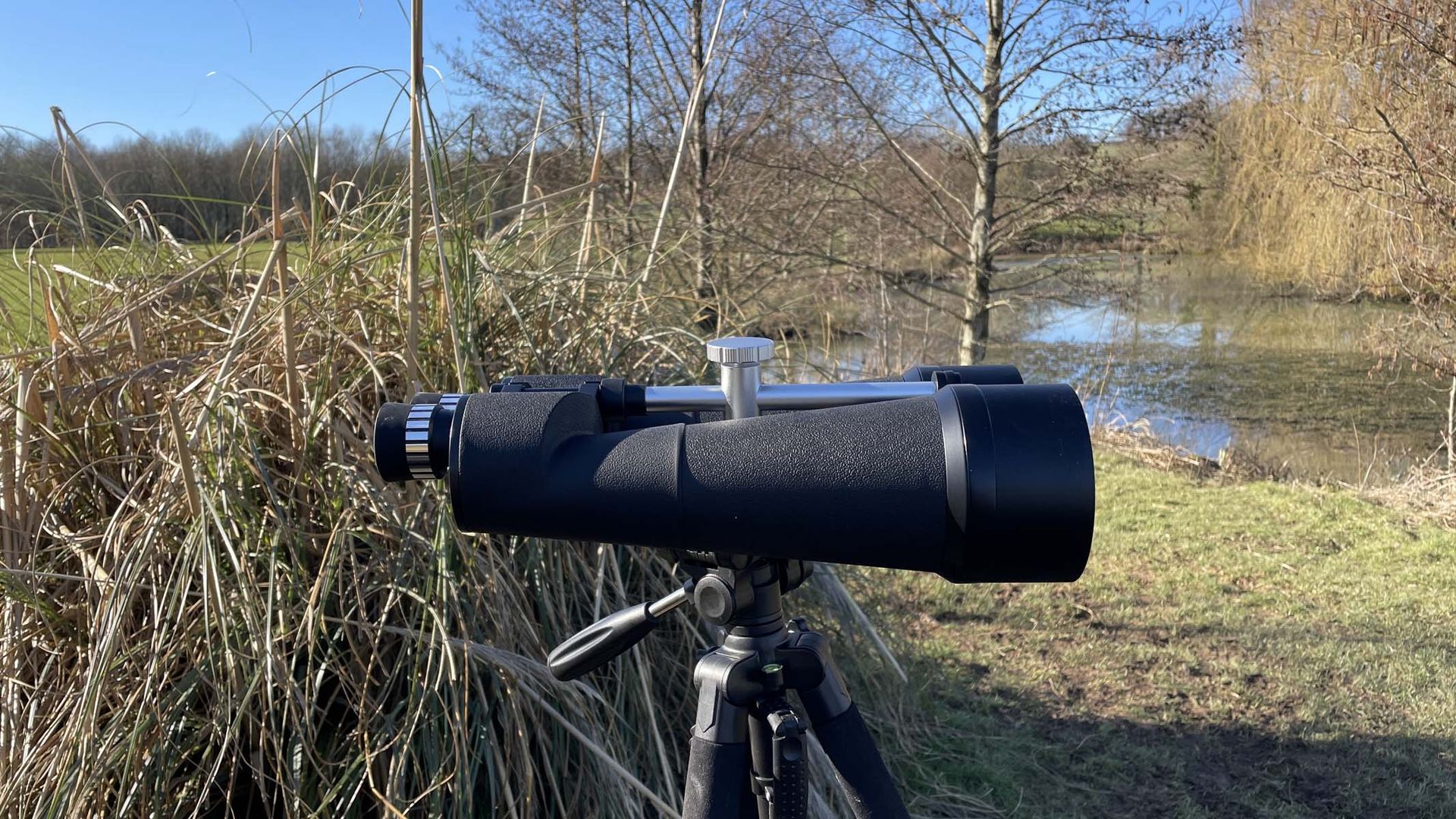
If you want the best possible binocular views of the night sky without having to buy and set up a telescope, these massive astronomy binoculars are like having two small telescopes side by side.
Read our full Celestron SkyMaster 25x100 review
- Large 25x magnification provides detailed views
- 100mm objective lenses are perfect for nighttime viewing
- Decent 15mm eye relief
- Individual eyepiece focus ensures you get a perfect view
- We had contrast-filled views of the moon, and great views of Juputer's moons and bright deep space objects
- Heavy at 8.75 lbs (3.97 kg) — a sturdy tripod is essential
- The tripod mounting tube often slipped loose when we tested them
- No central focus wheel
- For their size, we'd have liked them to feel more rugged
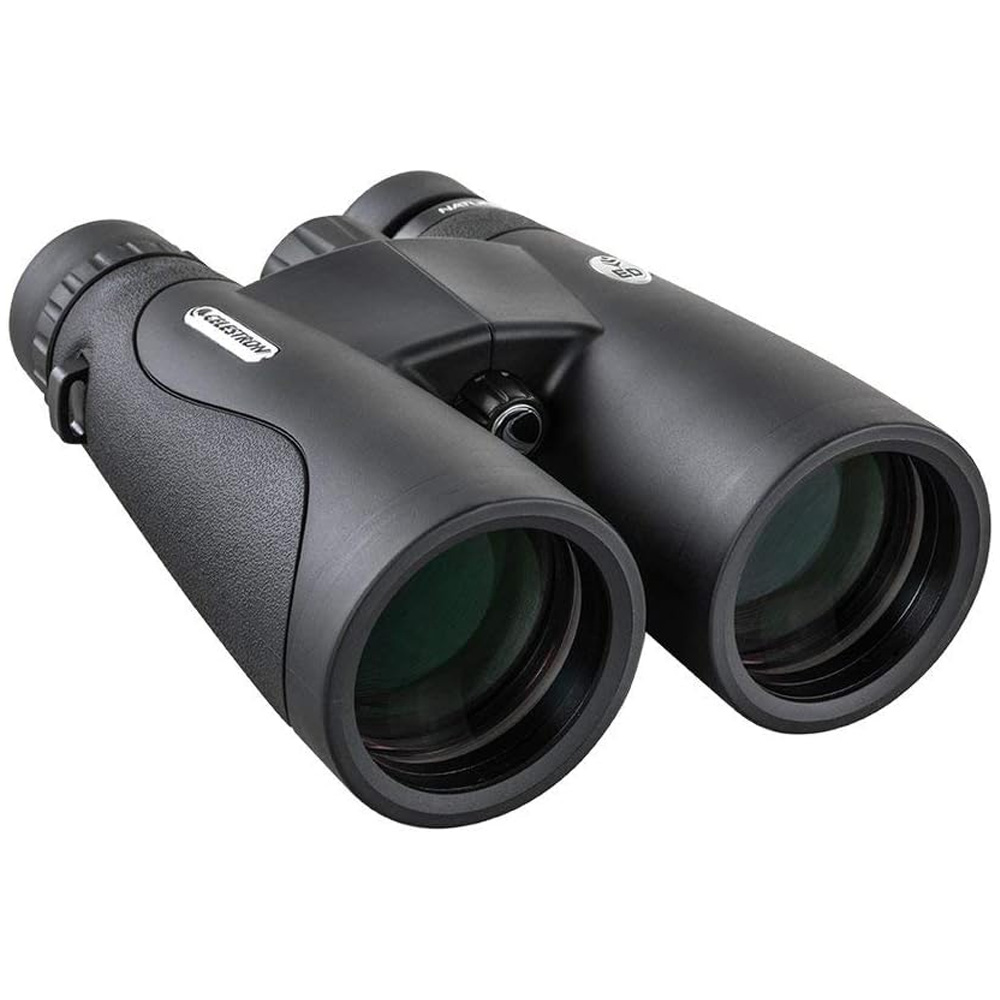 For handheld stargazing
If you don't want to mount your binoculars on a tripod, these 10x50 handheld binos are perfect for taking on camping trips, hiking or if you just want to sweep them across the sky with ease.
Read our review of the 10x42 variant
- ED glass to reduce chromatic aberration
- Large 5mm exit pupil
- Waterproof and fogproof
- Sharp and clear optics for the price
- 10x50 is excellent for low light viewing
- They're lightweight enough to handhold, but they're also tripod mountable
- Generous 17.8mm eye relief
- Some color fringing around highly contrasted subjects
- Not the most premium feeling
Best compact binoculars
 Excellent for the price
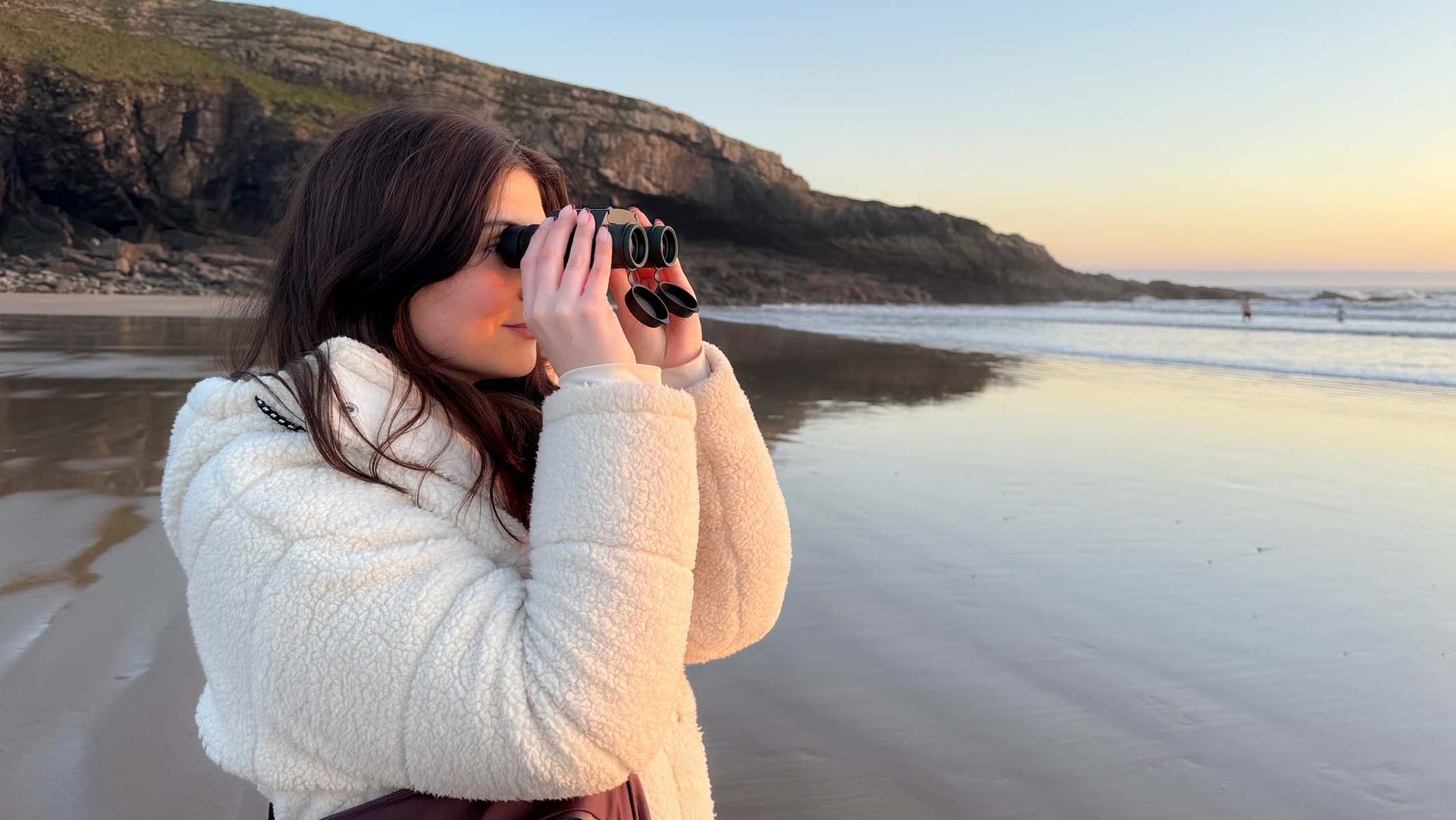
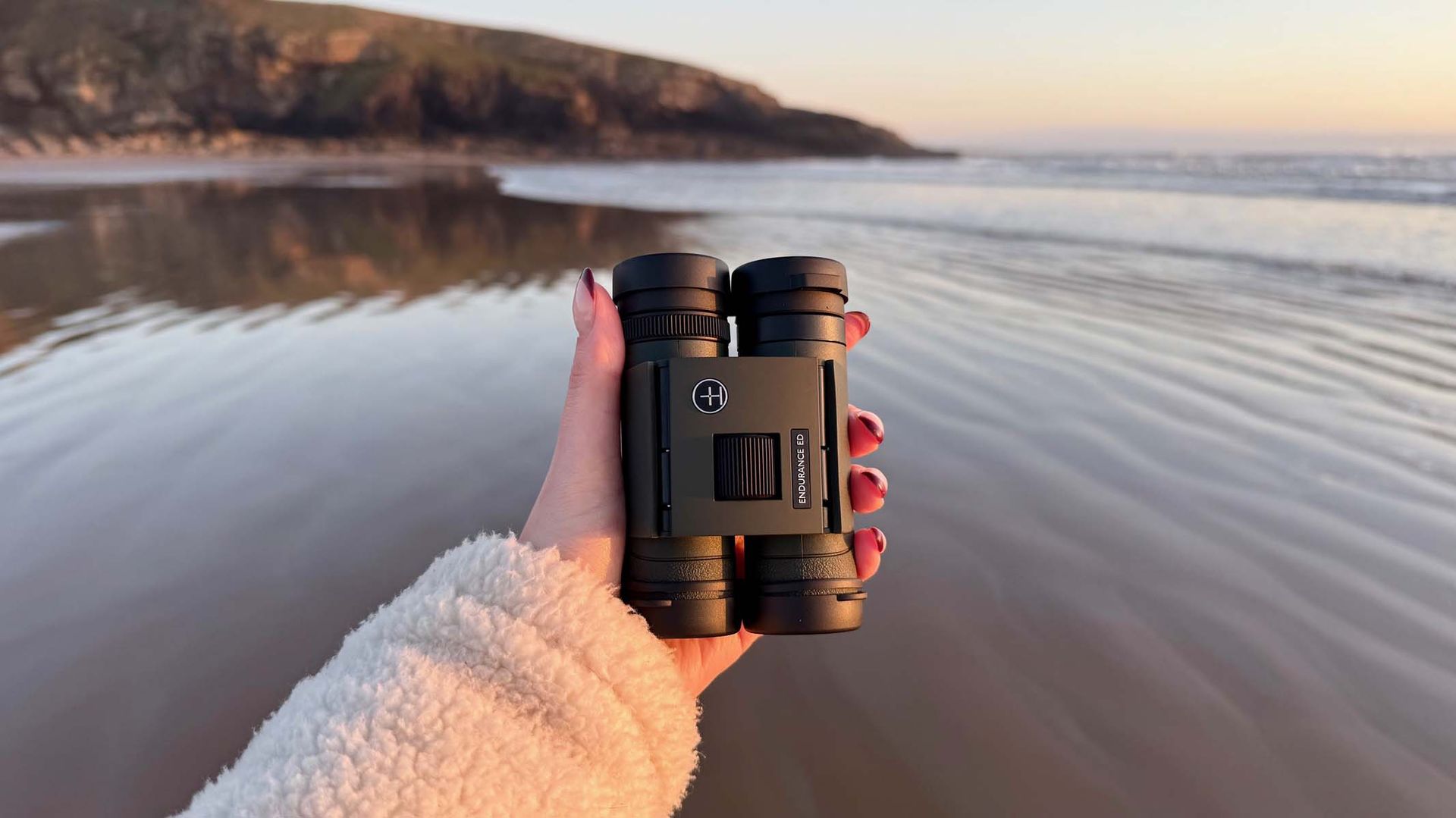
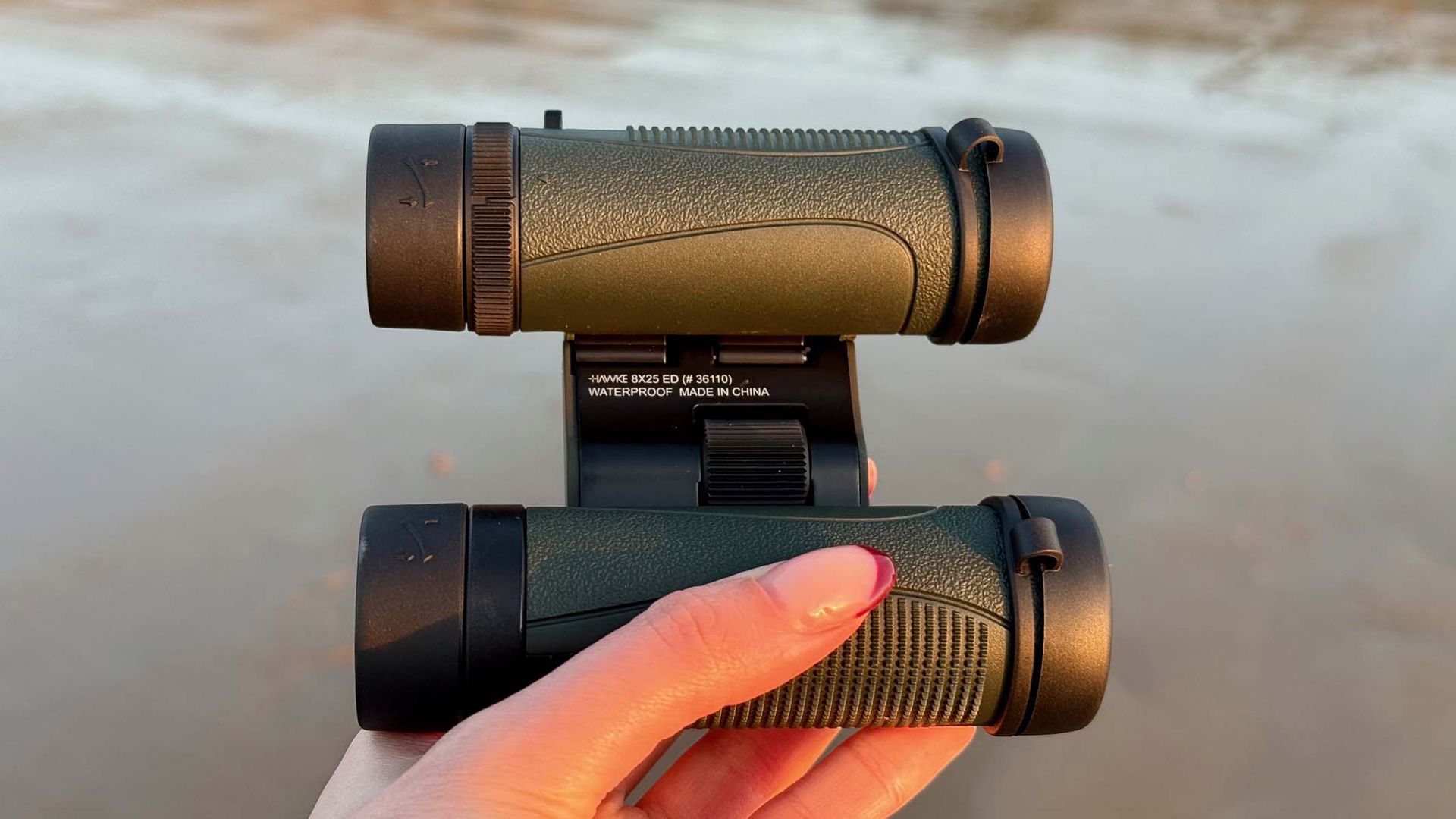
An all-around fantastic pair of compact binoculars that are sharp, bright and fit in the palm of your hand. Our optics writer went out and bought herself a pair after testing them.
Read our full Hawke Endurance ED 8x25 review
- Barely any chromatic aberration thanks to the ED glass
- Small, lightweight folding design that fits in the palm of your hand
- Bright and sharp optics
- Surprisingly good for getting a (brief) closer look at the moon and stars
- Excellent optics for the price
- 13mm eye relief isn't great if you wear glasses
- Not the best for dedicated astronomy or low-light observations
- Small 3.1mm exit pupil
 A great all-rounder
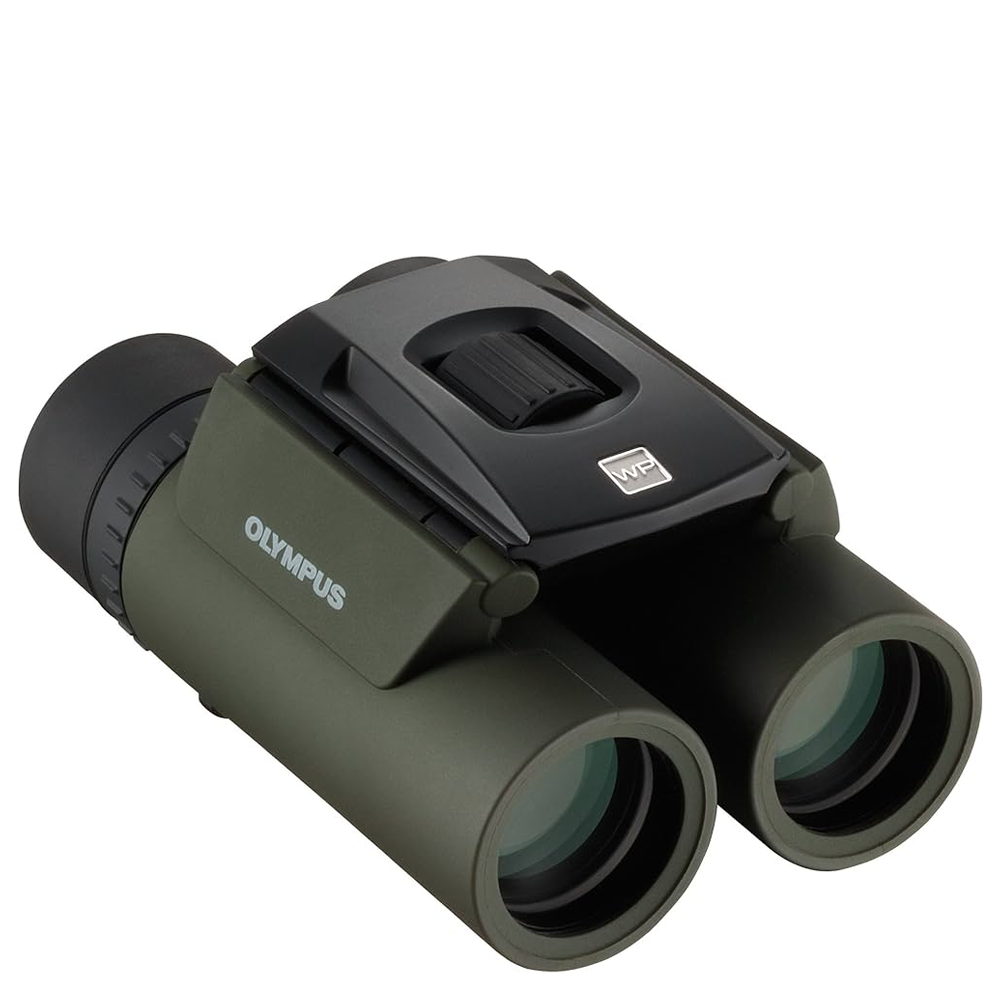
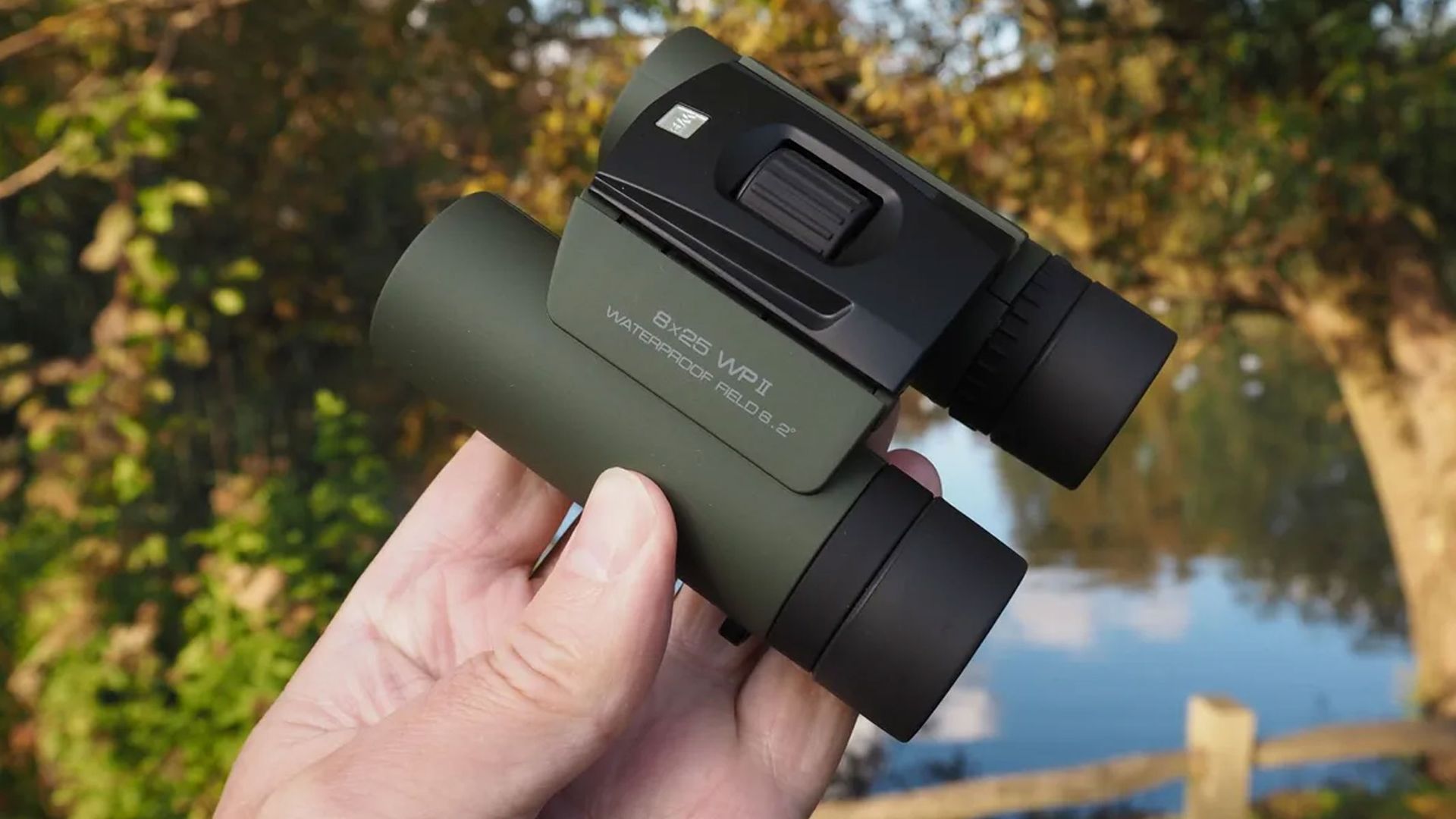
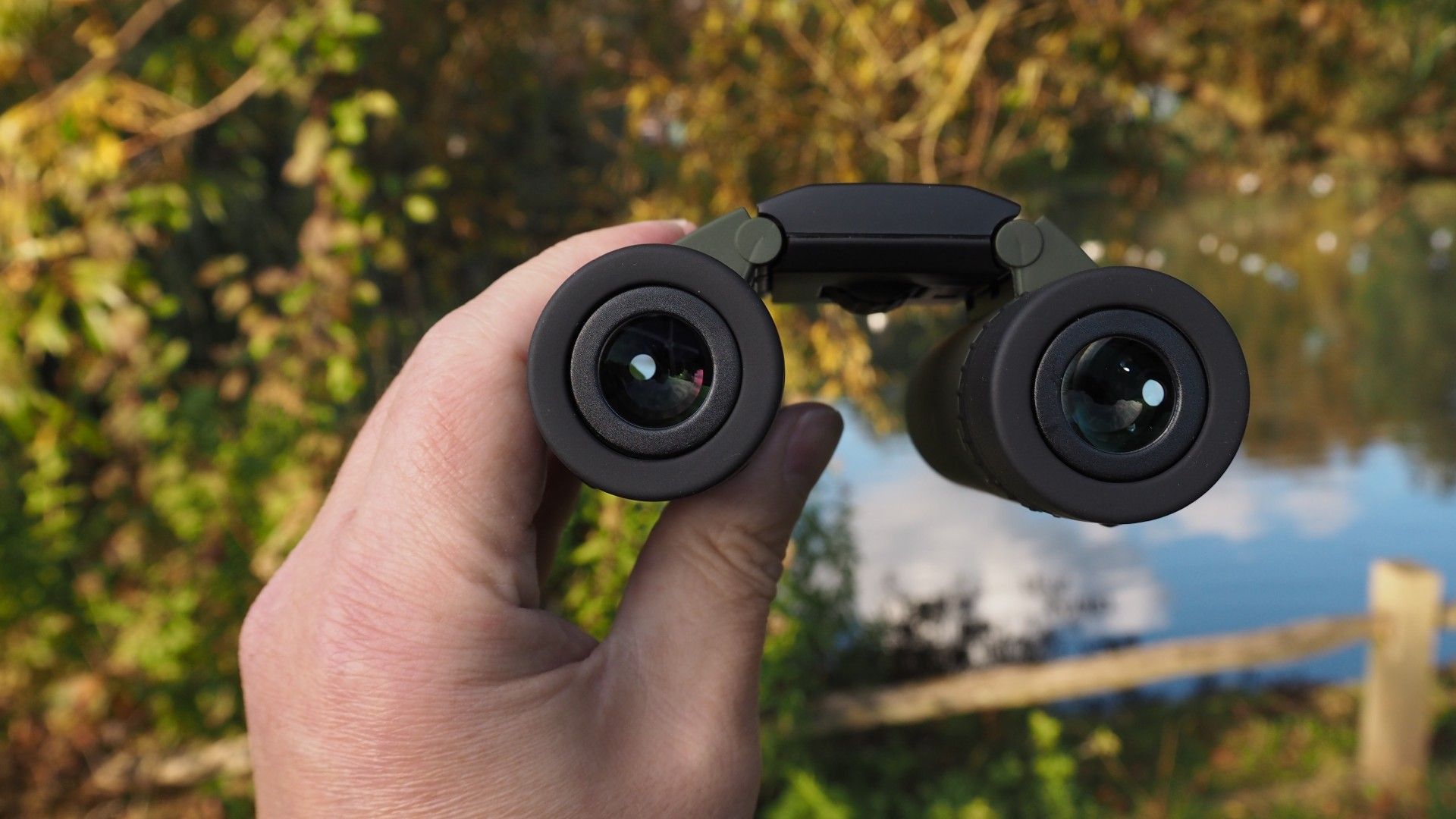
An affordable option to throw in your backpack or pocket for hiking, and a more "general purpose" pair of binoculars that offer good optics for the price. However, with no ED glass, birders will want to opt for another pair.
Read our full Olympus 8x25 WP II review
- Compact and portable
- Robustly constructed
- Better than expected image quality
- Reasonably priced
- Waterproof and fogproof
- The small untethered lens caps provided are easy to lose
- Small objective lens
- Average 15mm eye relief
- No ED glass to combat color fringing
 For superior optics
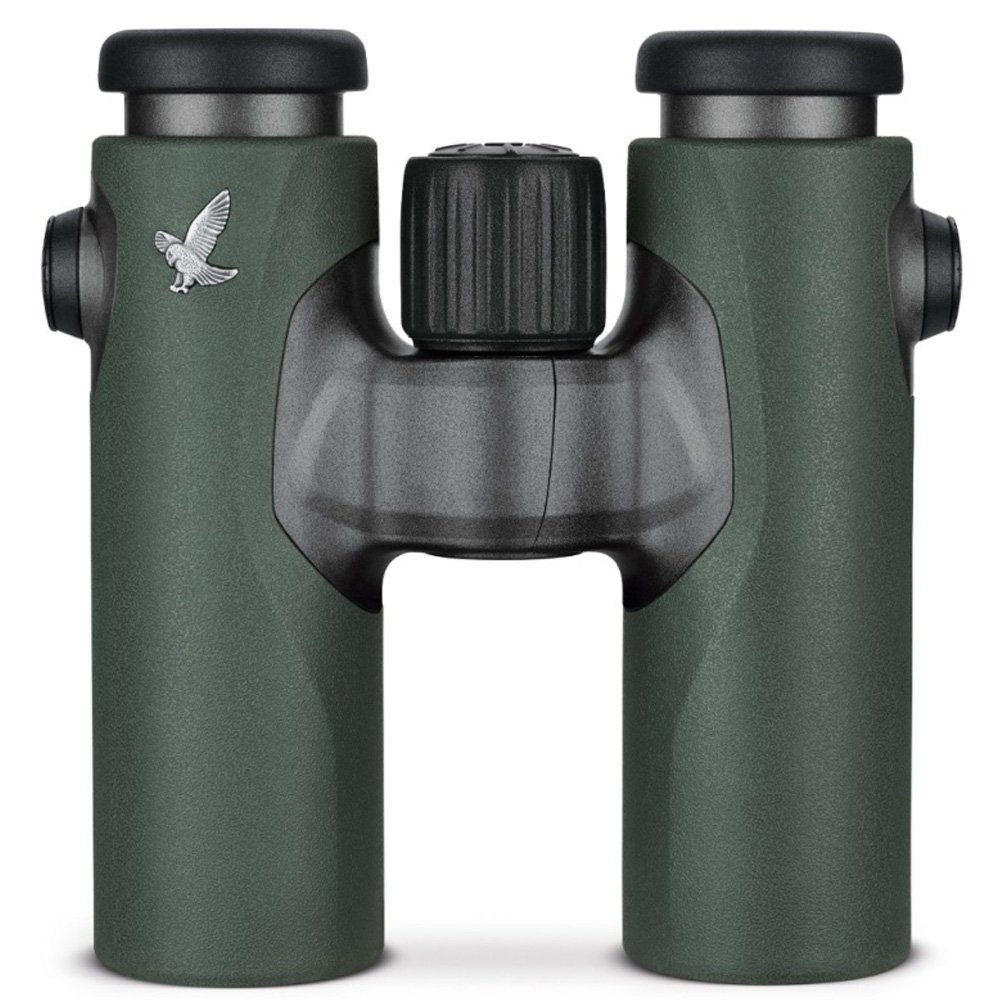
A compact and lightweight option from Swarovski that offers crystal-clear optics, premium build quality and excellent performance. A great choice if you want a binocular for multiple purposes, as opposed to a dedicated birding or astronomy binocular.
Read the full review at our sister site, Digital Camera World
- Crystal-clear optics
- Can tolerate -25 to +55 degrees
- Waterproof down to 4m
- Compact and lightweight at just 490g
- Sharp all the way to the edges
- Generous 18mm eye relief
- Premium price point
- Small 3mm exit pupil
- Not best suited as a primary birding or astronomy binocular
- Not as portable as folding binoculars
Best image-stabilized
 Best all-rounder
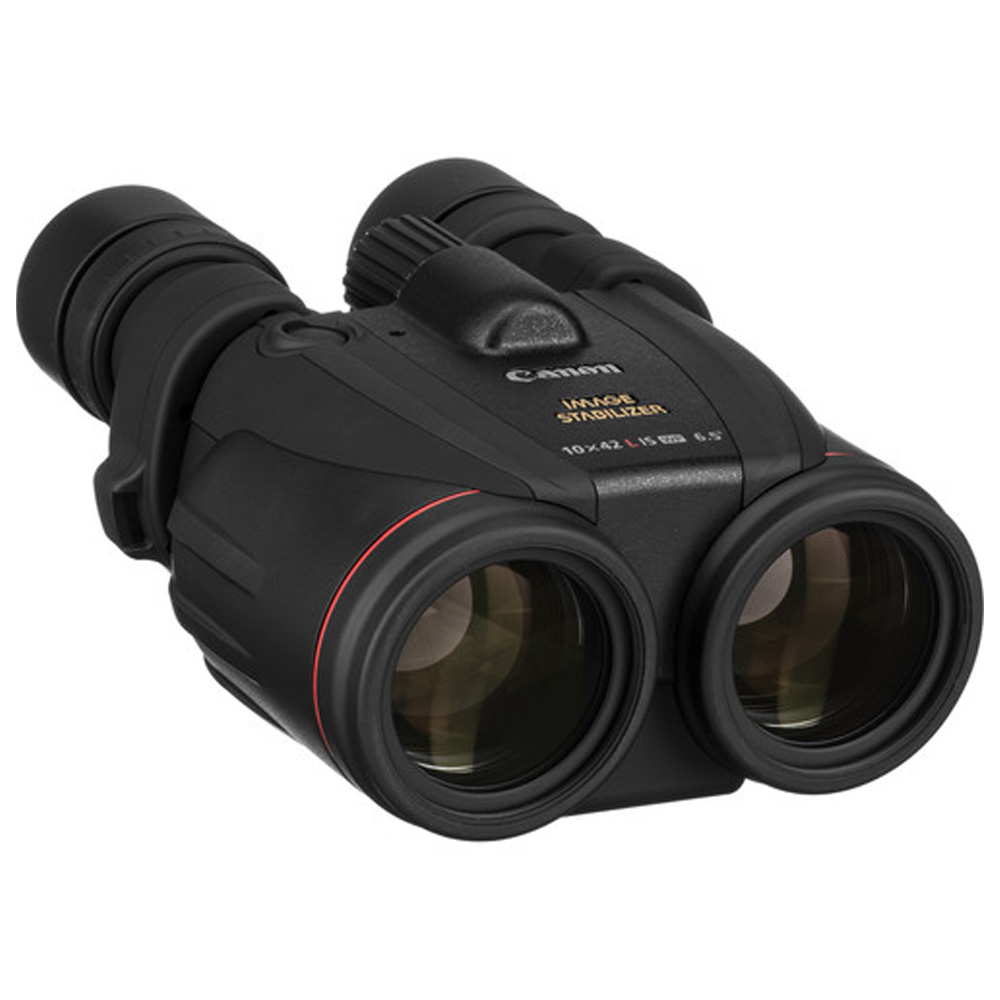
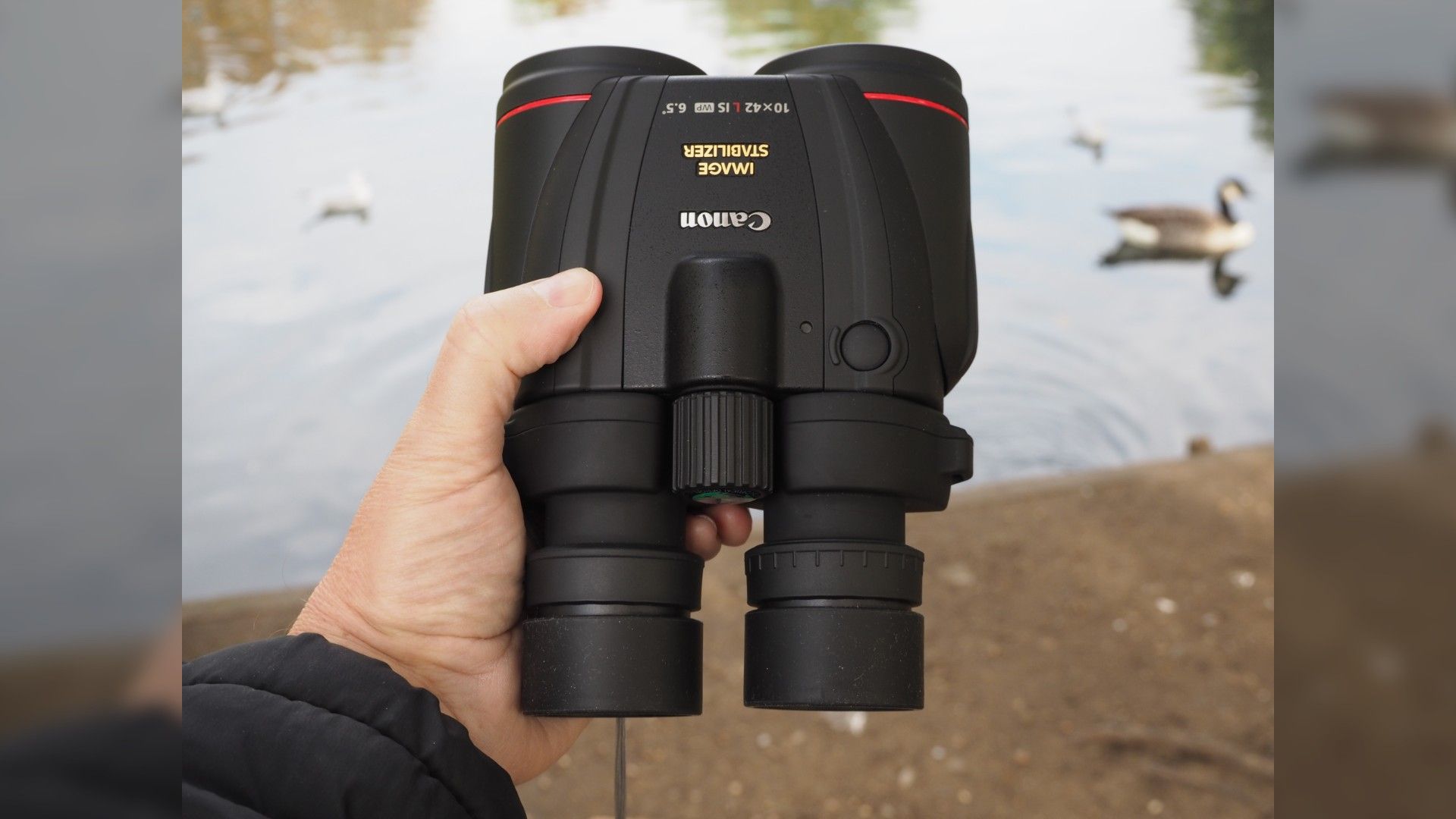
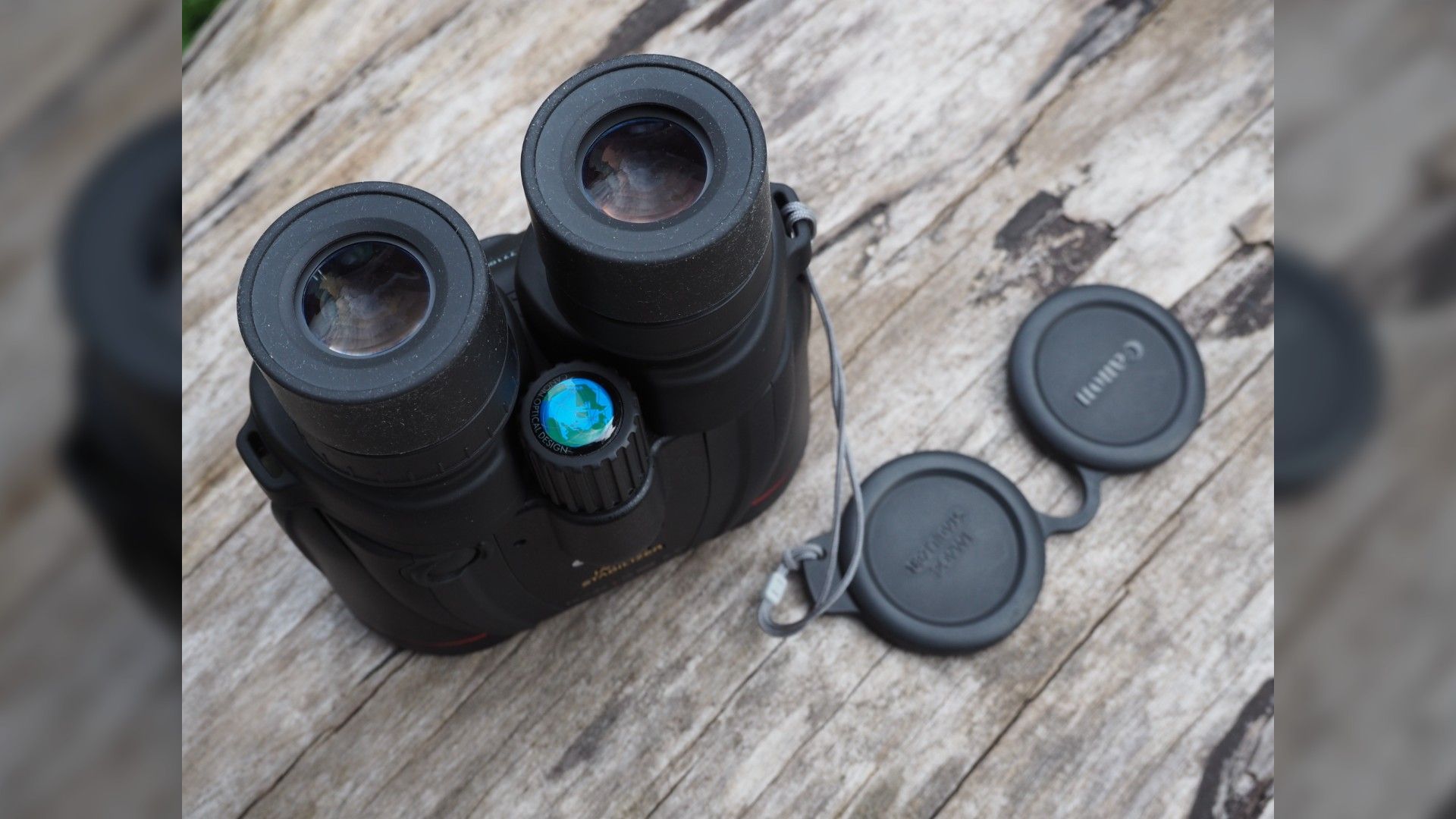
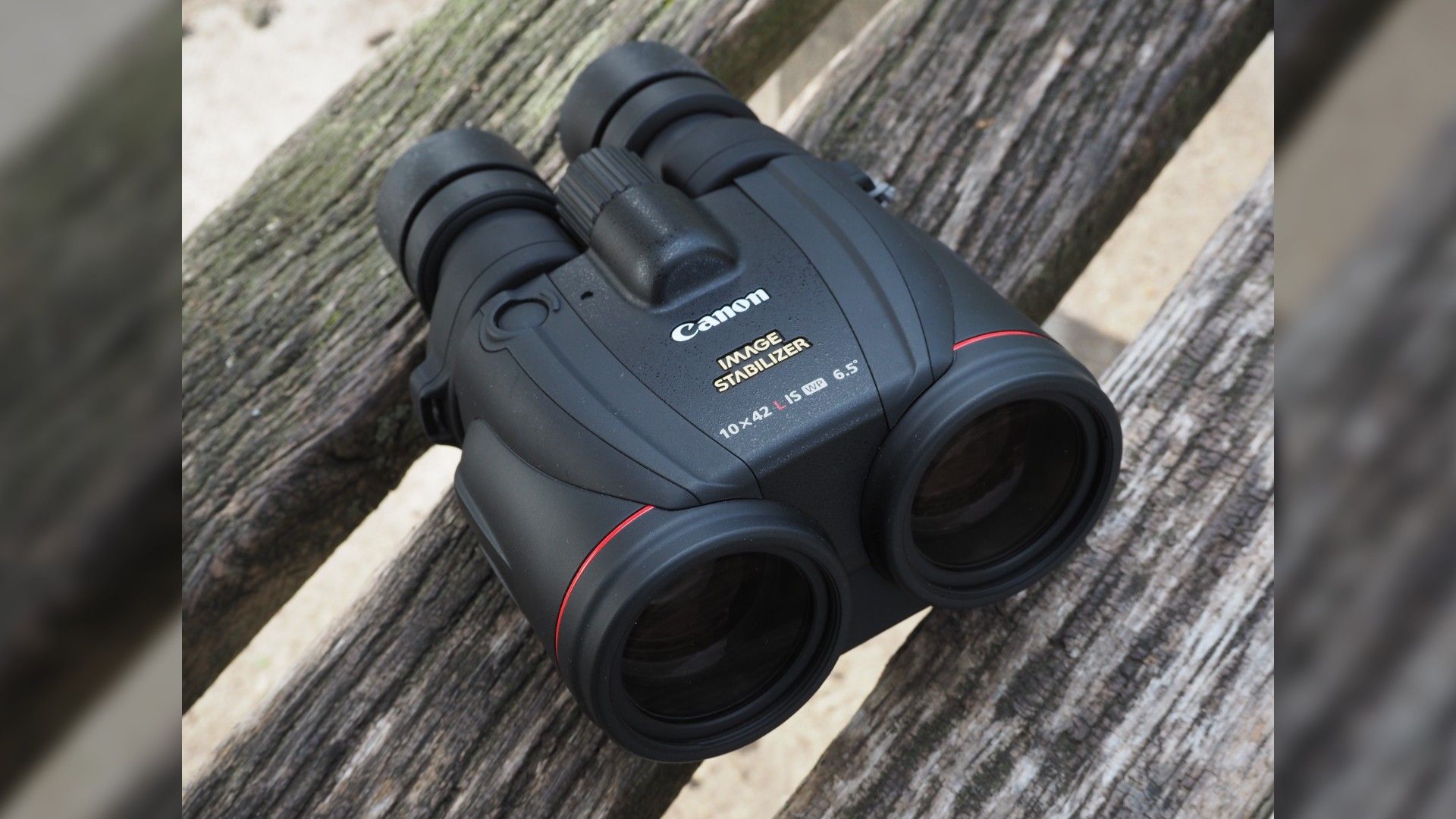
These binoculars feature Canon's bright L-series optics. shared with many of their camera lenses, which provide sharp views that become smooth and steady with the effective image stabilization.
Read our full Canon 10x42L IS WP review
- Canon’s first image-stabilized binos to offer waterproofing
- Powerful magnification and top-tier optical quality with Canon's 'L' series glass
- Stabilization works effectively at the push of a button
- Good 16mm eye relief
- Nice 4.2mm exit pupil
- Locking diopter prevents accidental defocusing
- Priced at a premium
- Heavy to hold for extended periods at 2.4 lbs (1.1 kg)
- Needs AA batteries for image stabilizer
 Extra reach
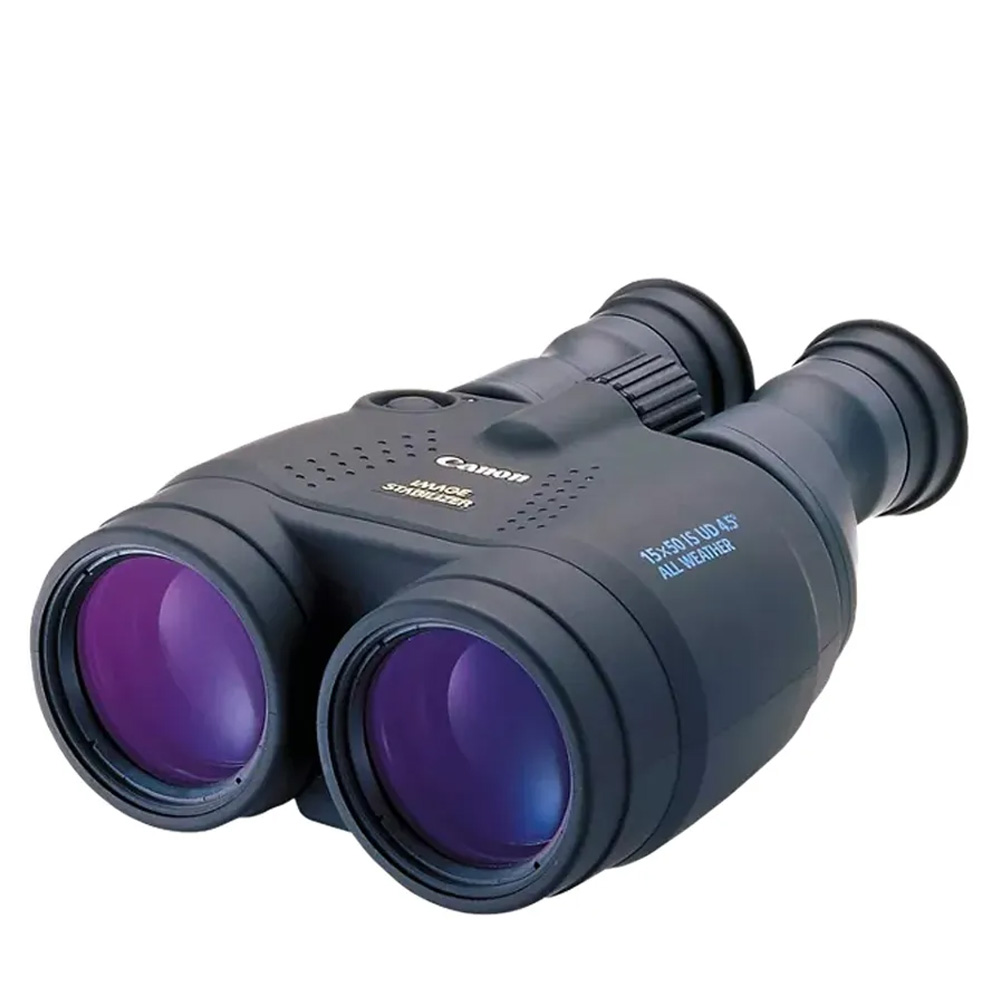
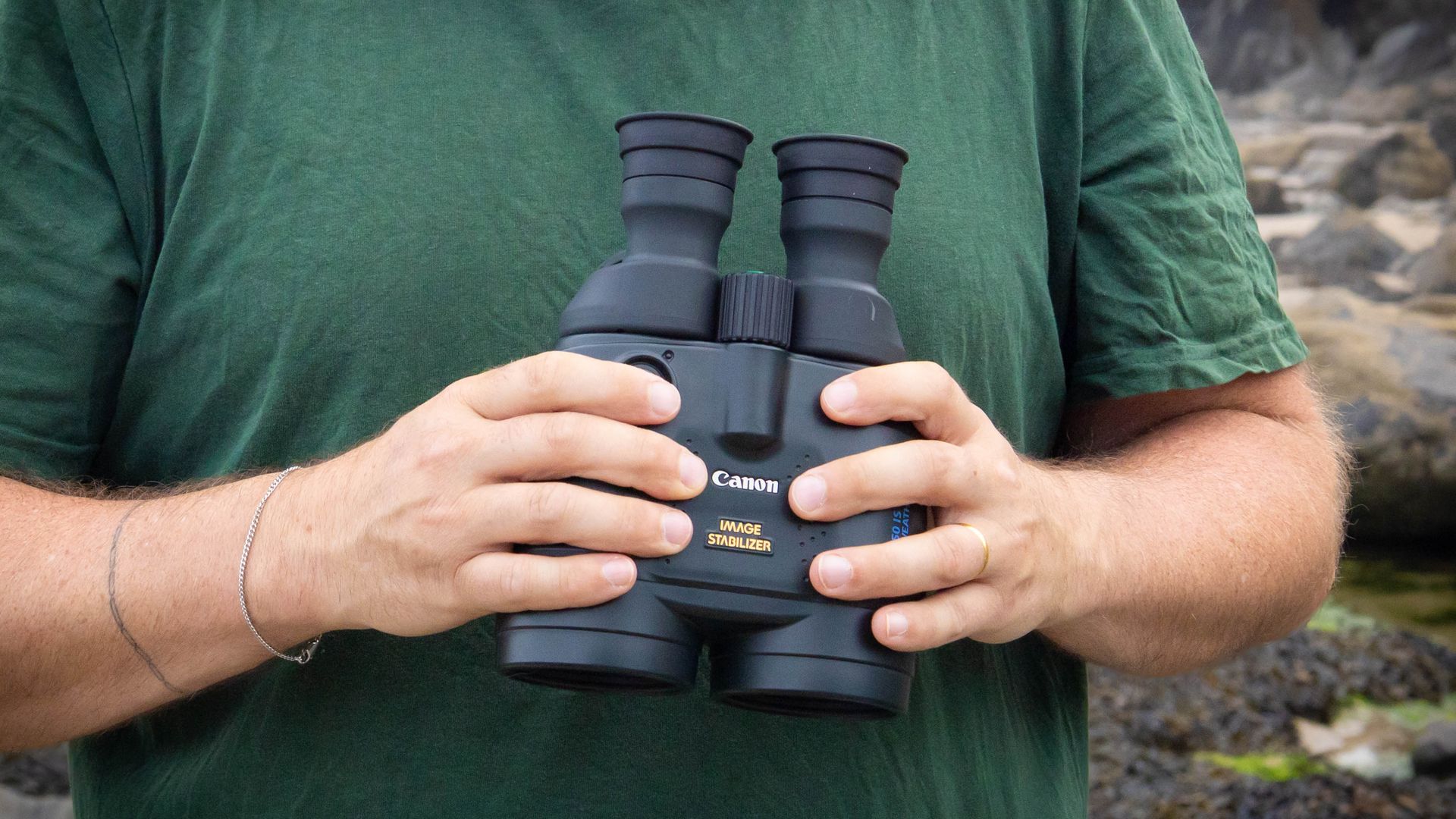
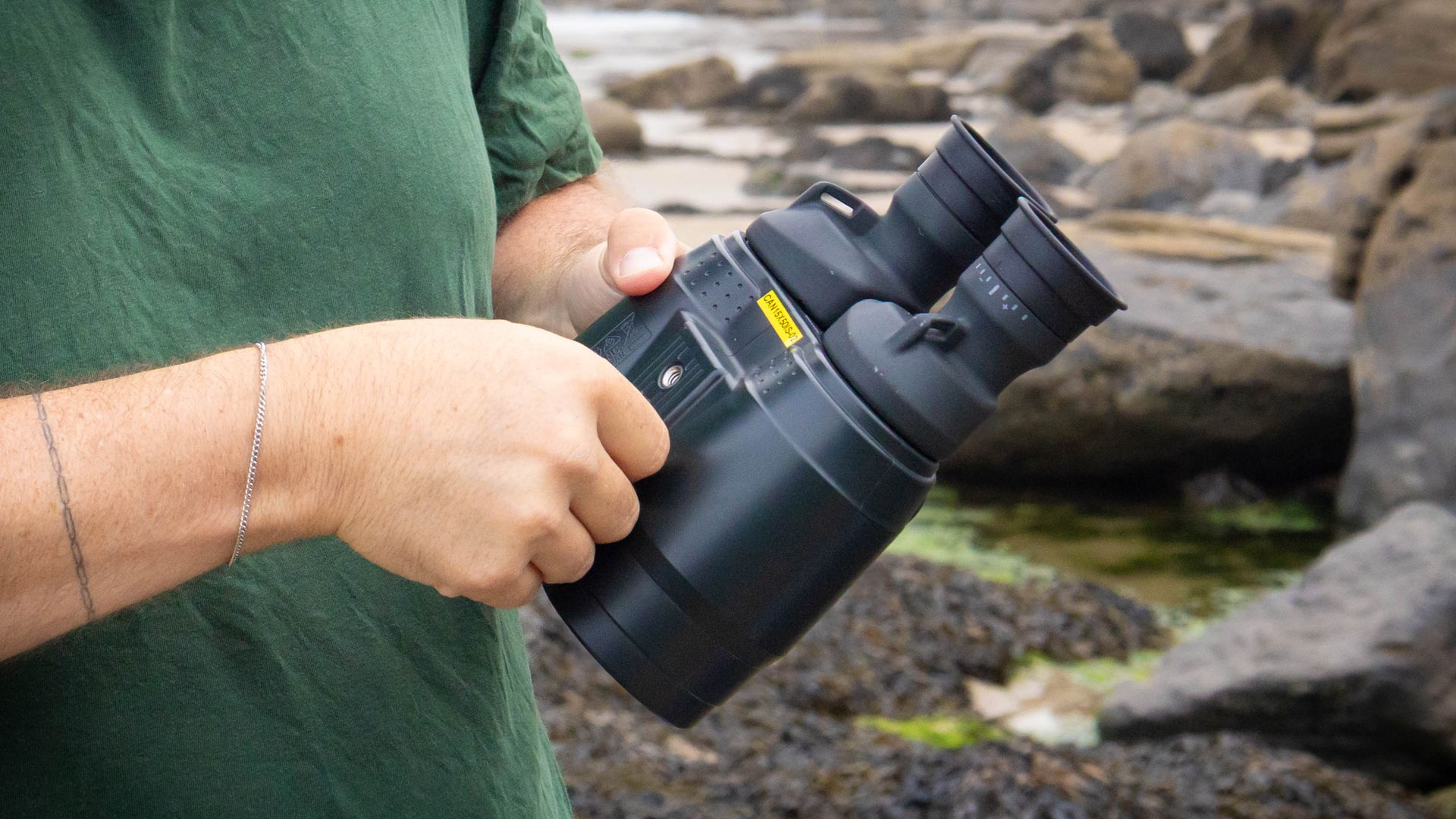
For a higher magnification that doesn't require a tripod, these stabilized binoculars are ideal for stargazing, wildlife and marine use — although the "all-weather" label is somewhat misleading as they're only splash-proof as opposed to being fully waterproof.
Read our full Canon 15x50 IS All-Weather review
- Sharp optics free from distortion
- Stabilization steadies higher magnification
- Thoughtful eyepiece design
- Useful magnification for wildlife and stargazing
- Rubberized coating scratches easily
- Eyecup design gives limited eye relief
- Might be too large for some
- Not fully waterproof, only splash-resistant (JIS 4)
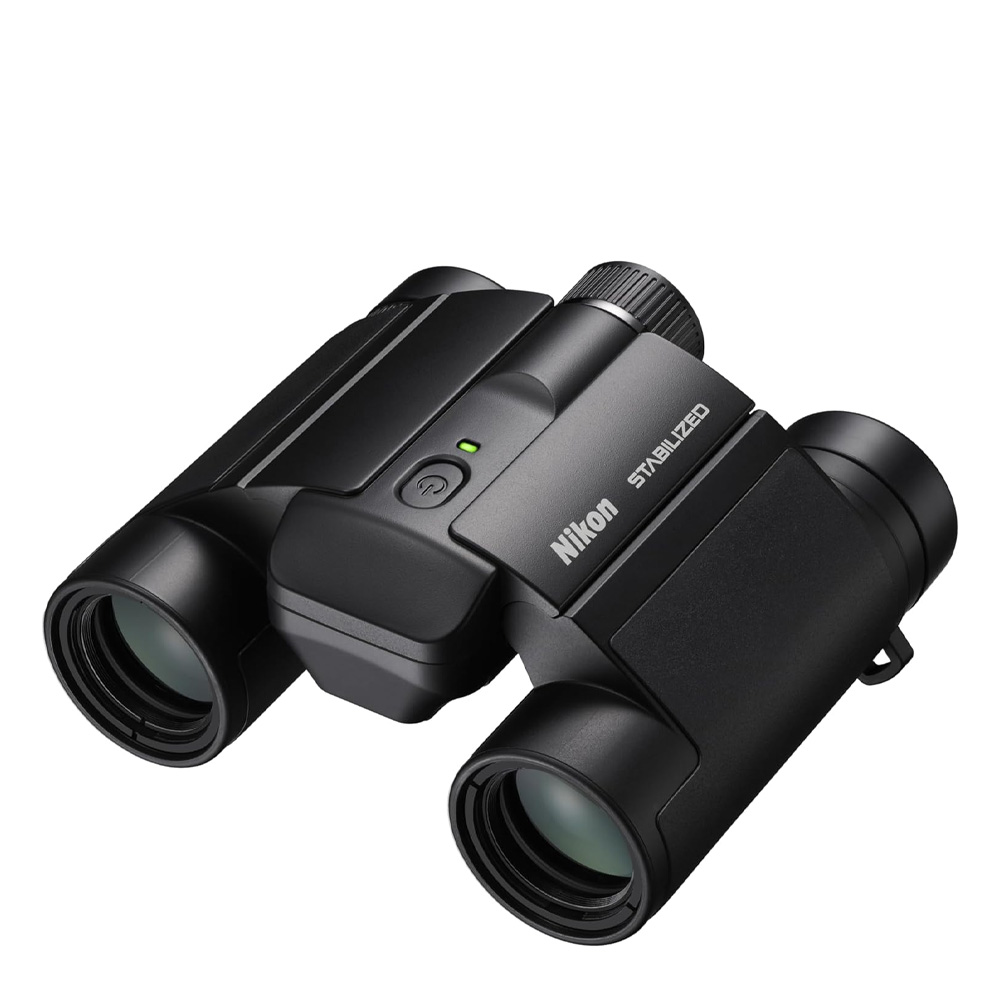 Compact stabilization
These tiny stabilized binoculars from Nikon are currently the smallest IS binos on the market, with 10x25 and 12x25 options available. They're perfect for general observations and marine use, although there are a few trade-offs to keep them so compact.
- Tiny and lightweight at 14 oz (395 g), making them easy to carry and slip into a pocket
- Image stabilization provides steady views for stargazing and wildlife observation
- Decent price for IS binoculars
- Center of the image is sharp
- Good for getting a closer view of stars, plus the Andromeda Galaxy and Orion Nebula were just about visible
- Darker views compared to the naked eye
- Small 2.1mm exit pupil restricts views
- Not waterproof or fogproof
- Price is steep for compact binoculars (especially if you don't really need stabilization)
- Stabilization is not as strong as Canon 10x42L IS WP, but the appeal of the Nikon is its size and portability
- Softness towards the edge of the image circle

Best premium
 Compact quality
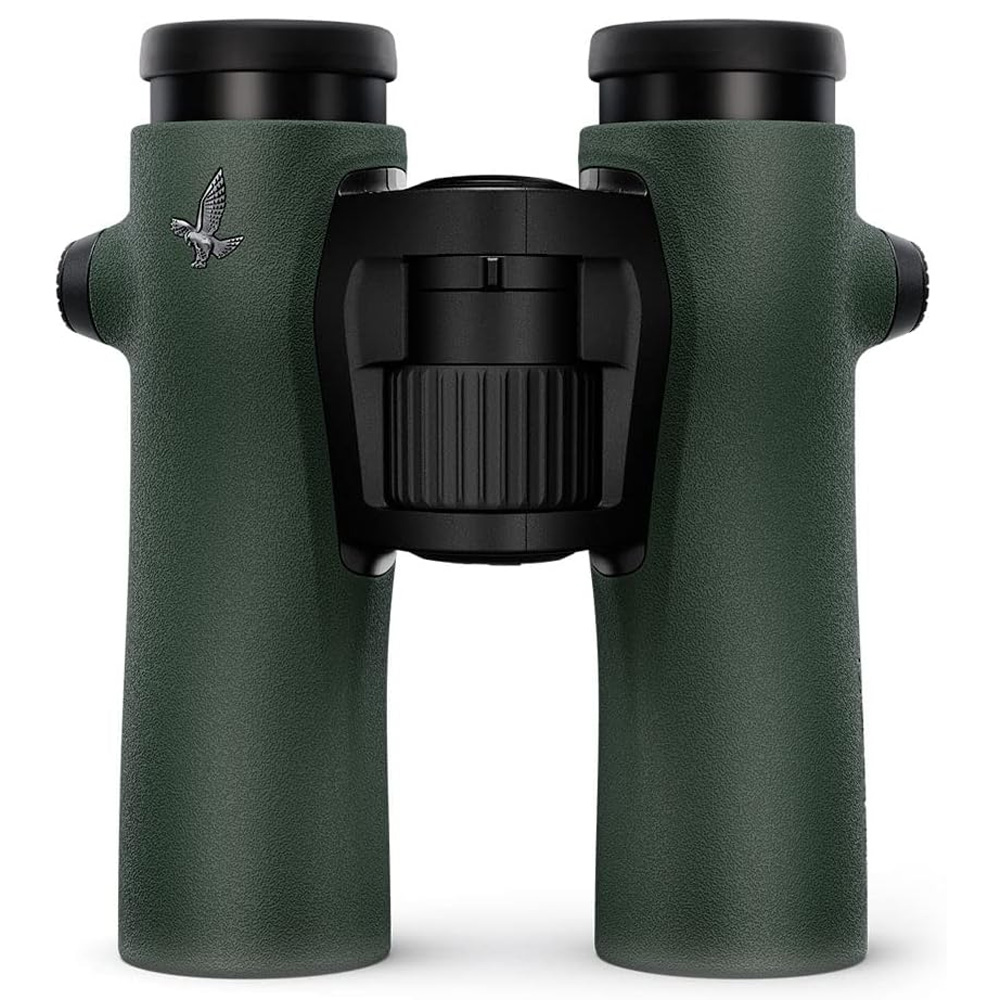
If you want a compact and lightweight binocular that doesn't skimp on optical quality, we loved the Swarovski NL Pure 8x32s. The images were crystal-clear and defect-free, and we thought they were worth every cent. Keep in mind, this variant isn't the most suitable for frequent low-light observing, so choose a pair with larger objective lenses for that.
Read our full Swarovski NL Pure 8x32 review
- Image quality is incredible
- Sharp right to the edges thanks to field-flattening technology (Swarovision) and no chromatic aberration at all thanks to the ED glass
- Compact and lightweight with an easy-to-hold wasp-waist design
- Great quality accessories — even the box is premium
- 18mm eye relief for glasses-wearers
- Good 4mm exit pupil for everyday use
- Waterproof and fogproof for use in any conditions
- Lots of variant options
- Stiff, awkwardly-placed diopter
- 8x32 variant isn't the best option for low-light viewing, although it's totally fine for casual stargazing
 The classic 8x42
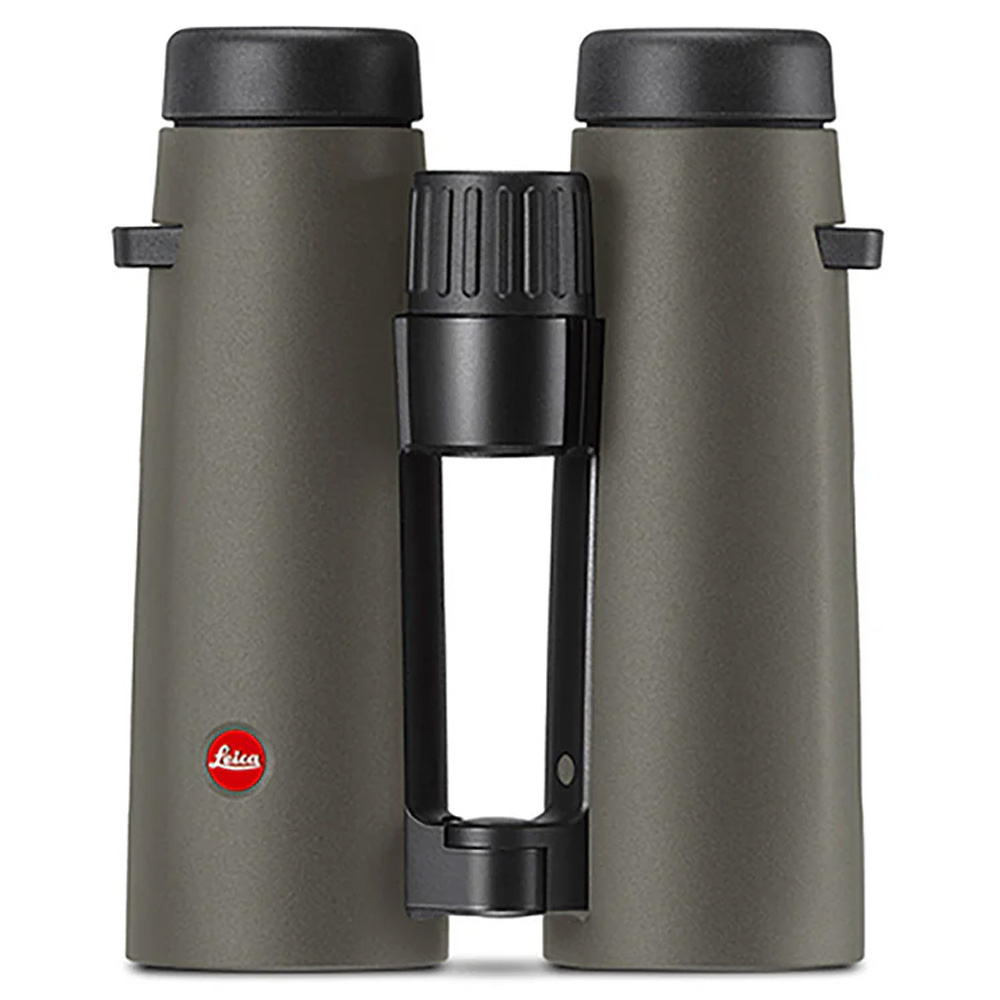
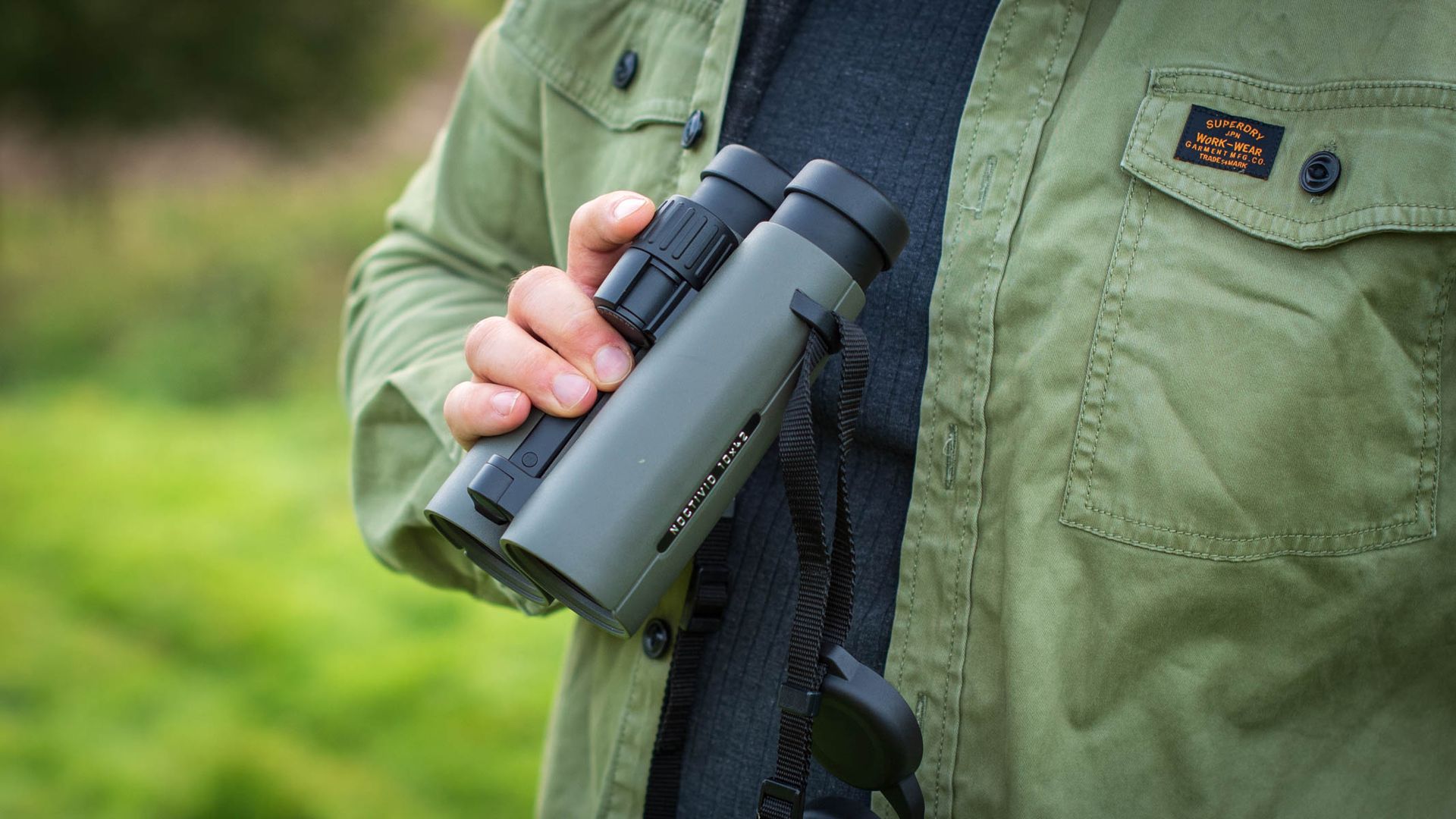
The Leica Noctivids are one of our favorite binoculars we've ever tested, boasting supreme sharpness and a premium finish from head to toe. The lack of a tripod adapter seems like an odd omission, but it's not a dealbreaker considering the outstanding optical quality.
Read our full Leica Noctivid 10x42 review
- Stunning finish on the olive green version
- Inconspicuous locking diopter wheel
- No chromatic aberration thanks to the ED glass
- Generous 19mm eye relief
- Bright views and excellent color reproduction, even on dull, overcast days
- Weighty and premium feel
- Waterproof down to 5m and fogproof
- Black color not as attractive as the green
- No tripod adapter
- Limited variants available — only 8x42 or 10x42
 The NL Pure rival
Often considered the main rival to Swarovski's NL Pure range, the Zeiss Victory SF are every bit as good on the whole, but with slightly cooler tones and ever so slightly brighter views.
- Sharp, high-resolution views with excellent color and contrast
- Ultra-wide 148m FOV at 1,000m — perfect for birding
- No color fringing, flare or ghosting
- Large 5.3mm exit pupil
- Generous 18mm eye relief
- Waterproof and fogproof
- They feel surprisingly light, despite weighing 1.7 lbs (790 g), with their "ErgoBalance" shifting the weight towards the eyepieces
- Field flattener ensures sharp views to the edge of the image circle
- SmartFocus system only requires only 1.4 turns to get from close focus (1.5m) to infinity
- The body is quite long for an 8x42
- NL Pure's have the edge for astronomy
Best binoculars: FAQs
What binocular magnification do I need?
It depends what you're observing. Small, compact binoculars tend to have 7x or 8x magnification to keep the size down, with 8x also being the sweet spot for birdwatching, giving you enough power to identify birds without introducing any wobble. 10x is great for general purpose viewing, and for stargazing, you can use anywhere from 8x all the way up to 25x, depending on how close you want to see the sky (objective lens diameter matters more for stargazing).
What size objective lenses do I need?
Simply put, the larger your objective lens, the more light the binocular will let in. If you want to observe in low-light conditions, pick a pair with at least 42mm. For dedicated stargazing, we'd recommend at least 50mm. 25mm and 32mm are ideal for casual daytime viewing, and the smaller lenses mean more lightweight and compact binoculars, too.
Can I use binoculars if I wear glasses?
Yes, provided the binoculars have enough eye relief. Eye relief is the distance (in milimeters) from your eye to the ocular lens without seeing any tunnel vision, vignetting or shadows. A long eye relief (above 15mm-ish) is perfect if you wear glasses, but it's worth noting that some smaller models have a fairly short eye relief, so it's worth checking before you buy if you can't take your glasses off.
What is ED glass?
ED stands for "Extra-Low Dispersion". When light passes through standard, non-ED glass, it bends and splits into individual colors, and typically shows up as purple or green fringing around contrasted edges, like birds against the sky, treetops or the moon. This is known as color fringing or chromatic aberration. ED glass prevents this by forcing the different wavelengths of light to bend and align at the exact same focal point. Think of it like using AutoTune on a tone-deaf choir.
This color fringing typically shows up a lot when you're birdwatching, so it's important to buy a pair with ED glass if that's your main focus.